News
Greenland Tensions Rise As Europe Pushes Back Against Washington’s Hard Line
Europe Pushes Back As US Rhetoric On Greenland Raises Global Alarm
When Washington starts talking about “all options being on the table,” European capitals tend to listen closely. This week, they listened and responded fast.
A wave of diplomatic pushback has followed fresh signals from the United States suggesting that acquiring Greenland is no longer a fringe idea, but a formal policy position. Comments attributed to senior figures in the Trump administration have reignited one of the most unsettling geopolitical debates in recent years, raising fears about sovereignty, alliance unity and stability in the Arctic.
Europe Closes Ranks
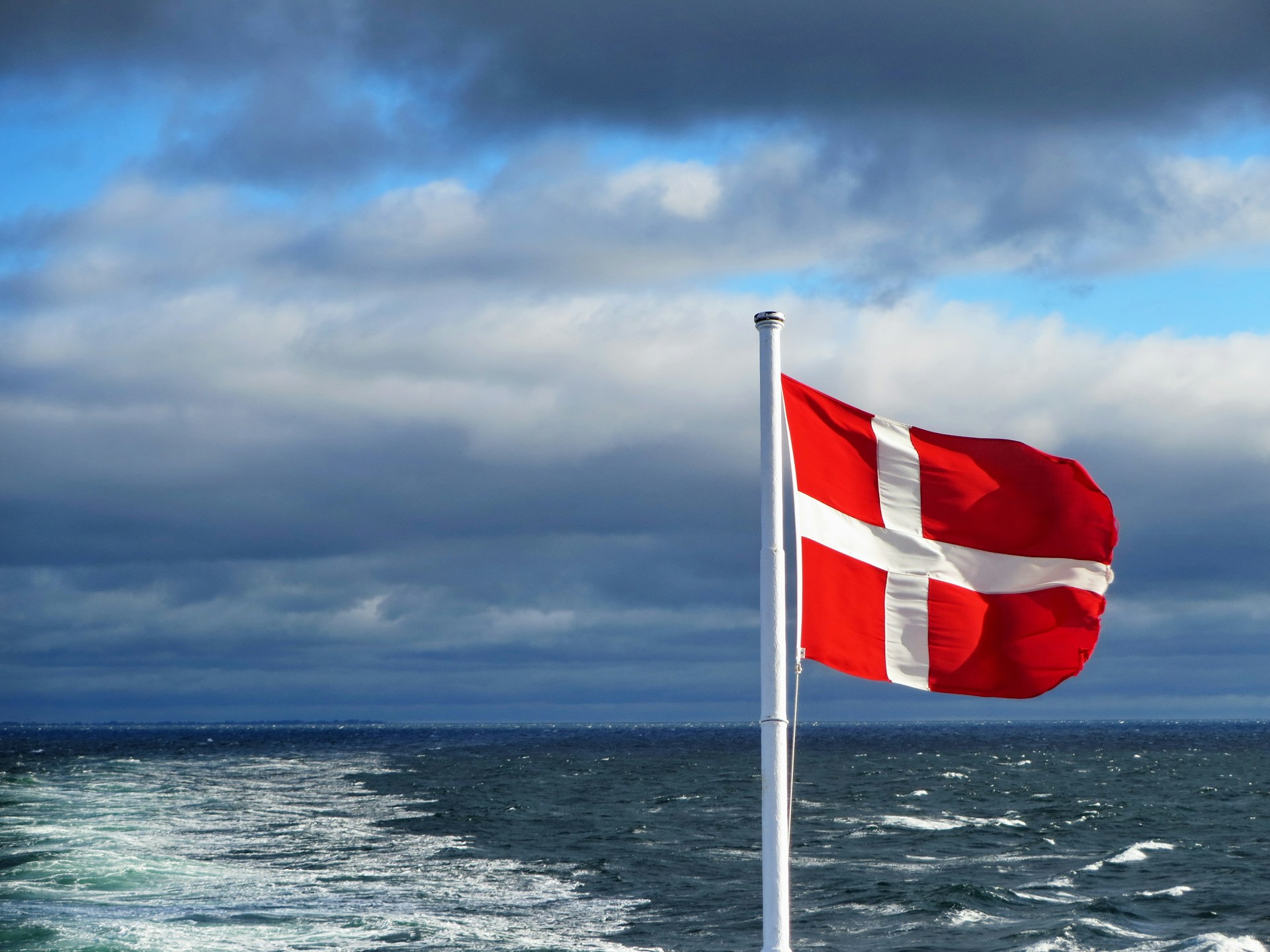
In a rare show of collective clarity, countries including the UK, France, Germany, Italy, Poland, Spain and Denmark issued a joint rejection of the idea. Their message was direct. Greenland is an autonomous territory within the Danish kingdom, and its future is not open to outside negotiation.
European leaders were also quick to point out a crucial detail often missing from the American argument. The US already has a major military footprint on the island. With an existing base and longstanding defence cooperation, claims that further action is needed for national security purposes ring hollow to many observers.
As analysts noted during discussions on CapeTalk, if security concerns genuinely exist, they can be handled through partnership rather than pressure.
Why Greenland Matters More Than Ever
Greenland’s rising importance goes well beyond symbolism. Its vast reserves of rare earth minerals and potential energy resources have become increasingly attractive in a world scrambling for supply chain independence. Add to that its strategic position between North America and Europe, and its growing relevance as Arctic shipping routes open due to climate change.
European officials suspect this is where the real motivation lies. The fear is that resource competition, rather than defence, is driving the renewed American interest.
NATO Unity Under Strain
There is also the uncomfortable question of alliance politics. Denmark is a NATO member, as is the US. Any attempt to coerce or intimidate a fellow ally would test the credibility of the alliance itself. For Europe, this is not just about Greenland. It is about whether shared security structures still rest on mutual respect.
References by Trump aide Stephen Miller to Greenland’s acquisition as an official policy objective have only sharpened these concerns, especially given the administration’s history of challenging international norms.
Public Reaction And A Firm Line
Across Europe, political leaders and commentators have been unusually aligned. On social media, the phrase “Greenland is not for sale” has been widely shared, echoing a sentiment first voiced years ago but now carrying far more urgency.
For now, Europe’s stance is clear. Any discussion about Greenland’s future must involve Denmark and Greenlanders themselves. Military pressure, even from an ally, is a line European capitals say they are not willing to see crossed.
In an era of shifting power and fragile alliances, this episode may prove to be an early test of how far long-standing partnerships can bend before they begin to break.
{Source:EWN}
Follow Joburg ETC on Facebook, Twitter , TikTok and Instagram
For more News in Johannesburg, visit joburgetc.com