News
Hartbeespoort Dam Complainants Demand SAHRC Report Be Overturned
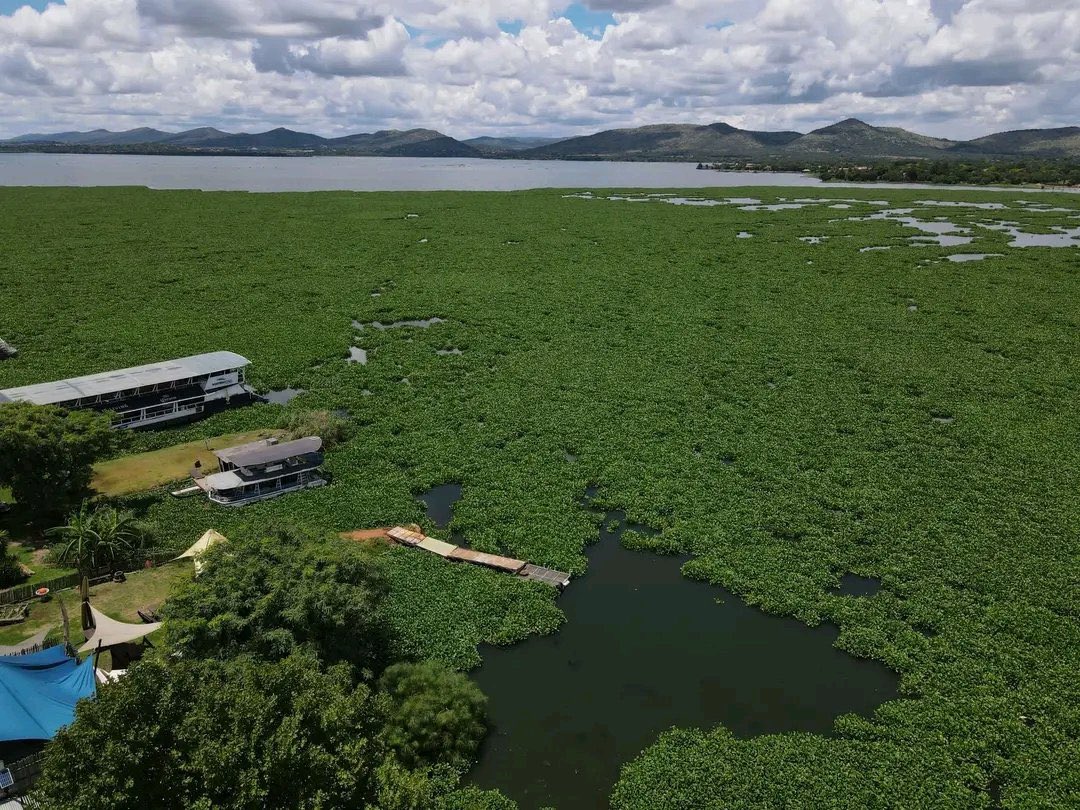
Hartbeespoort Dam Lease Complainants Take SAHRC to Task
The South African Human Rights Commission (SAHRC) is facing an appeal from the Hartbeespoort Community Development Initiative (HCDI), which argues that the watchdog’s recent report on dam lease allocations was superficial and failed to address decades of alleged racial discrimination. The dispute centers on the allocation of prime shoreline land at Hartbeespoort Dam, managed by the Department of Water and Sanitation (DWS).
HCDI, representing more than 42 black lease applicants, contends that the SAHRC report confirmed administrative failures but failed to meaningfully investigate systemic bias that consistently favoured white occupants.
Complainants Claim Investigation ‘Misframed’
According to HCDI leader Mmeli Mdluli, the SAHRC narrowed the scope of the complaint to technical aspects of historical permission revocations, overlooking core allegations of racial exclusion, retaliation, and maladministration affecting black applicants for over a decade.
“Neither our 400-page complaint nor the 209-page SEZ Africa submission were meaningfully analysed,” Mdluli said. “This renders the investigation procedurally unfair and irrational under the Promotion of Administrative Justice Act.”
The appeal emphasizes that constitutional rights to equality, dignity, and freedom from racial discrimination were effectively ignored. Despite detailed evidence of preferential treatment of white applicants, the SAHRC labelled any discrimination as “indirect,” a characterisation the complainants strongly dispute.
Broader Implications Beyond Hartbeespoort
The appeal warns that the SAHRC’s handling of the case could set a dangerous precedent, noting that the DWS controls land around approximately 300 state dams nationwide.
“Where credible allegations of discrimination, corruption and maladministration in the allocation of land associated with about 300 state dams are met with silence or superficial treatment, the harm is compounded,” Mdluli said. “This undermines public confidence in constitutional oversight and accountability institutions.”
HCDI is urging the SAHRC to set aside the report, reopen the investigation, and consider referral to the Equality Court, framing it as a test of whether the commission can effectively act as a guardian of human rights.
Calls for a Lawful and Independent Investigation
The appeal, dated 9 December 2025, stresses the need for a comprehensive and impartial inquiry. According to HCDI, anything less would constitute a failure of constitutional protection at the moment it is most required.
The commission has not officially confirmed receipt of the appeal. In previous statements, SAHRC spokesperson Wisani Baloyi defended the investigation and rejected claims that the commission neglected its constitutional duties.
Public Reaction and Next Steps
The Hartbeespoort case has sparked conversation across social media, with civil society groups highlighting persistent inequities in land allocation and questioning whether SAHRC can uphold its mandate under pressure. Many see the appeal as an important opportunity to reaffirm institutional accountability, especially in the context of historic racial disparities in access to state resources.
As the matter moves forward, the spotlight is on whether the SAHRC will respond to mounting pressure and demonstrate that constitutional protections against discrimination remain robust and actionable.
The Hartbeespoort Dam lease controversy underscores the tension between human rights oversight and systemic inequities in South Africa. The appeal challenges the SAHRC to prove that it can deliver justice, fairness, and constitutional accountability when confronted with entrenched racial bias.
{Source: The Citizen}
Follow Joburg ETC on Facebook, Twitter , TikTok and Instagram
For more News in Johannesburg, visit joburgetc.com