Helen Zille’s social media blitz shakes up the Johannesburg mayoral race
The race to lead Johannesburg is heating up and one candidate appears determined to dominate the conversation.
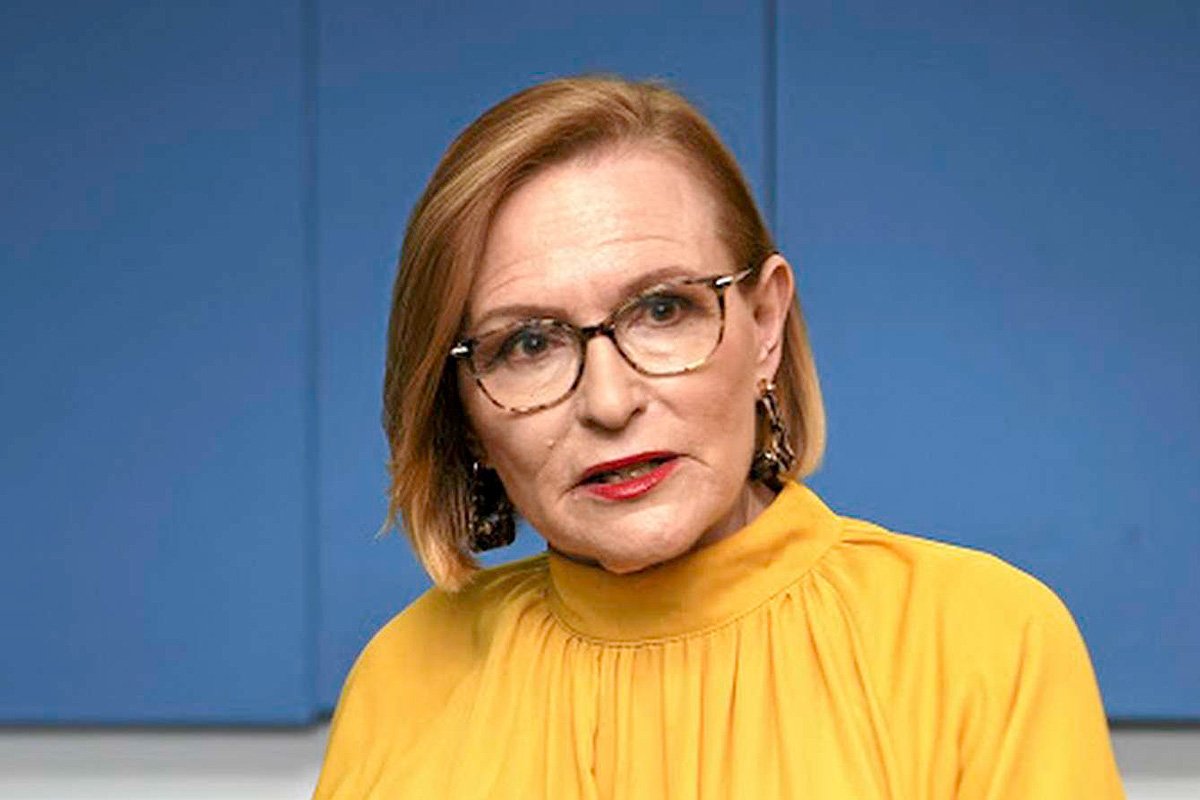
Veteran politician Helen Zille, the mayoral candidate for the Democratic Alliance (DA), has launched an unusually energetic campaign that blends street-level visibility with a relentless social media presence.
From short videos filmed in potholes to clips directing traffic and engaging residents, Zille’s digital-first strategy is drawing attention and, according to insiders, shifting the narrative of the mayoral contest.
A campaign style rarely seen in the DA
Within DA circles, the scale and style of the campaign has raised eyebrows.
A party insider described Zille’s approach as unlike anything the party has attempted before.
The strategy appears to focus on saturating public platforms with visible action, highlighting urban problems while promoting the DA’s policy ideas for fixing them.
The result is a steady stream of online content that blends humour, criticism of the city’s infrastructure failures and on-the-ground interactions with residents.
According to the insider, the goal is simple: dominate the conversation.
By maintaining constant visibility online, the campaign hopes to shape public perceptions about the city’s leadership and the solutions on offer.
Private funding boosts the campaign machine
Another factor making the campaign stand out is its apparent financial muscle.
Sources within the party say the effort is supported by significant private funding, allowing for a broader communication push than typical local campaigns.
The scale of the operation, the insider said, rivals some of the party’s national election campaigns.
Although the Democratic Alliance has declined to comment officially on the campaign’s funding or strategy, observers say the approach reflects a broader shift in modern politics where social media storytelling increasingly shapes public opinion.
Why the Joburg mayor race matters so much
For political parties, Johannesburg is more than just another city.
As South Africa’s economic powerhouse, the metro plays a critical role in national politics and public perception.
The city has also experienced years of political instability, with shifting coalitions and frequent changes in leadership at City of Johannesburg.
Service delivery challenges including potholes, power interruptions and water infrastructure problems have become major campaign issues.
That backdrop makes the mayoral contest particularly high stakes.
Party insiders say the outcome could influence not only governance in Johannesburg but also political momentum across nearby municipalities such as Ekurhuleni and Mogale City.
Social media reactions: admiration and criticism
Online, the campaign has generated strong reactions.
Supporters have praised Zille’s hands-on style, arguing that visible engagement with everyday city problems resonates with frustrated residents.
Others have criticised the approach as political theatre, questioning whether viral clips translate into real policy solutions.
Either way, the campaign has achieved something valuable in modern politics: attention.
In a crowded political environment where voters are bombarded with messages daily, commanding the spotlight can shape public perceptions long before ballots are cast.
A PR battle that could shape the election
For now, insiders believe Zille may be winning the public relations battle in the mayoral race.
By consistently appearing in neighbourhoods, highlighting municipal failures and amplifying the message online, her campaign is setting the tone of the debate.
Whether that momentum translates into votes remains to be seen.
But one thing is clear: in the race for Johannesburg’s mayoral chain, the battle for attention may prove just as important as the battle at the ballot box.
{Source: The Citizen}
Follow Joburg ETC on Facebook, Twitter , TikTok and Instagram
For more News in Johannesburg, visit joburgetc.com