News
How Factory Farming Is Quietly Stealing Nearly Two Years of Our Healthy Lives
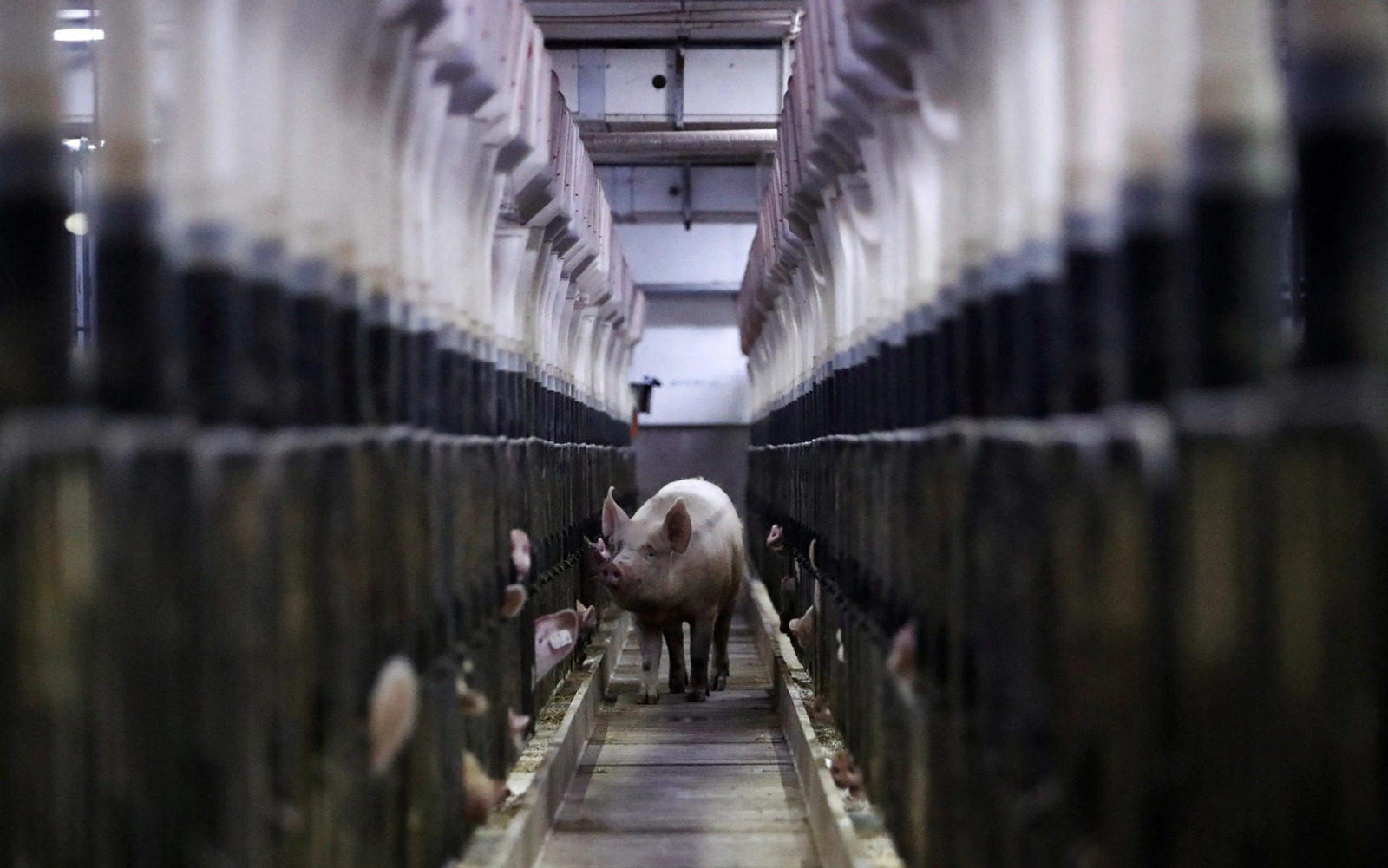
Life for many of us is being quietly shortened by the systems that feed us. According to fresh global research from the charity World Animal Protection (WAP), our reliance on factory-farmed meat, dairy, and eggs may be shaving off as much as 1.8 years of healthy life from the average person. That’s nearly two full years of vitality lost, and it’s not just meat eaters who are at risk.
A hidden cost behind cheap meat
The new findings, published in the WAP’s Factory Farming Index 2025, reveal how the industrial model of livestock production is silently undermining human health. Central to this is the rampant use of antibiotics. Around 66,000 tonnes of antibiotics are used each year globally on factory-farmed cows, pigs, and chickens; that’s double the total amount used on humans. These antibiotics are often administered to perfectly healthy animals to stave off disease in overcrowded, stressful, and unsanitary conditions.
This overuse accelerates the rise of antibiotic-resistant bacteria, the much-dreaded “superbugs.” The proliferation of antimicrobial resistance makes once-treatable infections harder, sometimes impossible, to cure. For those living near or working in or around such farms, the threat is even more direct.
Pollution beyond the farmyard
Factory farms don’t just endanger human health through antibiotic misuse. The vast amounts of animal waste pumped out by intensive operations pollute the air, soil, and water. Ammonia, nitrous oxide, and fine particulate matter released from excrement and manure degrade air quality. That pollution has been linked to respiratory illnesses and lung disease, especially for those residing within the fence lines of these industrial farms.
But the environmental damage does not stop there. The world’s agrifood system, heavily reliant on factory farming, now accounts for nearly 30 percent of global greenhouse gas emissions. It’s also responsible for roughly a quarter of human-caused water pollution. The land required for feed crops alone spans an area the size of India, diverting resources away from food crops that could nourish people directly.
When eating cheap meat costs dearly
There is also growing evidence that consuming large amounts of red or processed meat, much of it supplied by factory farms, raises risks for serious diseases, including heart disease, stroke, type 2 diabetes, and colorectal cancer. Over time, diets heavy in factory-farmed products may contribute to chronic health problems that chip away at life expectancy and quality of life.
It’s a stark contradiction. These foods are widely available and often cheap. Yet together, the health damage and environmental impact tell a very different story.
A system built on suffering, for animals and people
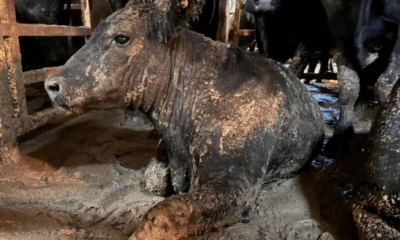
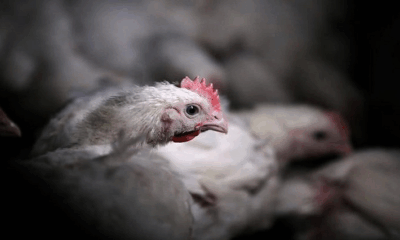
Factory farming also inflicts immeasurable harm on billions of animals. Many live in cramped, barren enclosures with no chance to move freely, express natural behaviours or enjoy even basic freedoms. Over 76 billion land animals are estimated to be reared each year globally in industrial farms. Those confined live a fraction of the lifespan they would enjoy under natural conditions.
For humans, the consequences ripple wide and long. Poor diets, pollution, rising antibiotic resistance, and environmental destruction all undermine our collective well-being, and for what? A food system that prioritises profit over health, welfare, and sustainability.
The call for change: what World Animal Protection proposes
The WAP recommends a sweeping transformation of global food systems. Their vision centres on reducing reliance on meat, dairy, and eggs from factory farms; promoting plant-based foods; and redirecting support towards humane, small-scale, and sustainable farming practices. This would not only protect human and animal health but also ease the burden on the planet’s resources and ecosystems.
It is a call for a “just transition” not only for animals but also for people, the environment, and future generations. The future of food, they argue, should be one of care, balance, and respect for all life involved.
Why this matters for South Africa
In South Africa, where meat remains a staple for many households and where industrial livestock production plays a big role in food supply and agriculture, these findings should resonate. We must ask ourselves: Is the convenience of cheap meat worth the long-term cost to health and the environment? Supporting ethical, sustainable agriculture, or eating more plants, could help protect our own future whilst easing pressure on farmers, the land, and communities.
It’s time we looked beyond the price tag on meat. What we eat shapes our health miles beyond the plate.
Follow Joburg ETC on Facebook, Twitter, TikT
For more News in Johannesburg, visit joburgetc.com
Source: IOL
Featured Image: Aeon