News
‘A Visa for Sale’: Four Home Affairs Officials Earning R25k Received R16.3 Million in Bribes, SIU Finds
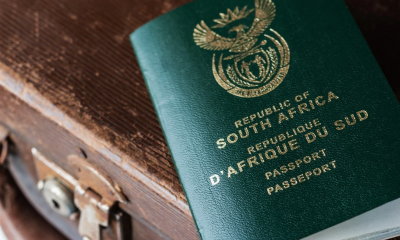
They earned modest government salariesless than R25,000 a month. But according to the Special Investigating Unit (SIU) , four officials at the Department of Home Affairs lived like millionaires, thanks to a sophisticated visa-selling racket that treated South Africa’s immigration system as a commodity.
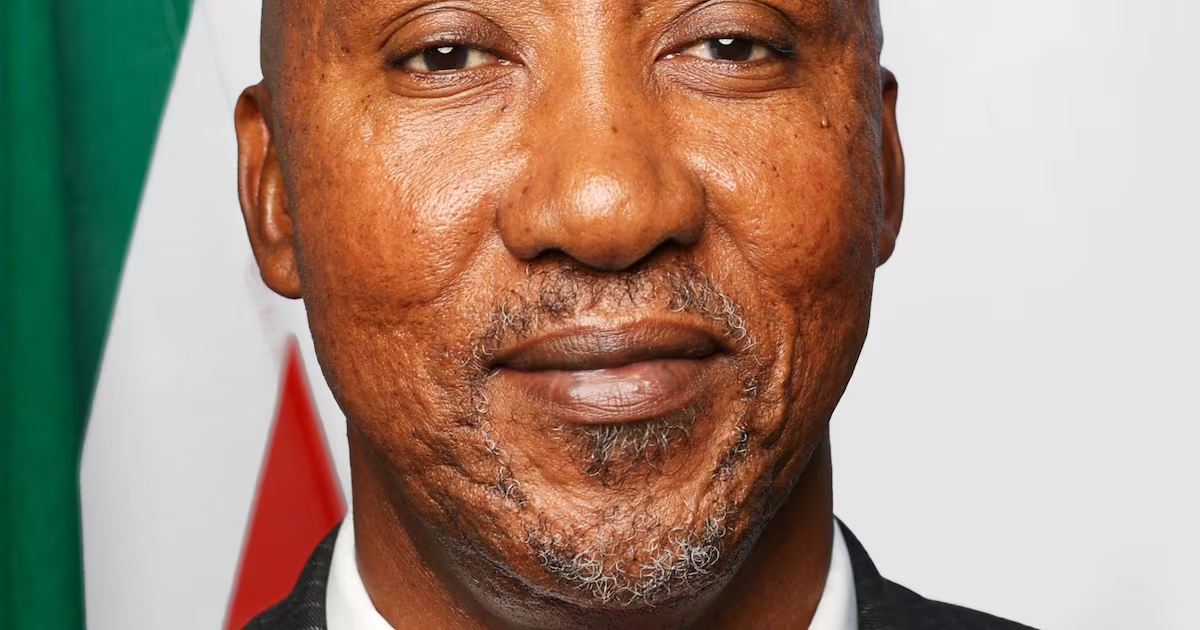
Acting SIU head Leonard Lekgetho revealed the findings on Monday, describing a “nefarious syndicate” operating within the department that unlawfully issued visas and residence permits in exchange for bribes .
“The SIU can reveal that, so far, we have uncovered that four officials who earn less than R25,000 per month have received a total of R16,313,327.00 in direct deposits,” Lekgetho said .
How It Worked
The investigation, authorised by President Cyril Ramaphosa under Proclamation 154 of 2024, uncovered a brazen and efficient operation.
“Their modus operandi was simple: applications were sent via WhatsApp for expedited approval, and once approved, money flowed almost immediately,” the SIU said .
But the bribes were deliberately disguised. Payments were not made directly to officials but funnelled through accounts held by their spouses . Transaction references such as “Permit,” “Visa Process,” and even “Building Material” were used to mask the true nature of the payments .
Secondary accounts belonging to spouses received unexplained cash deposits amounting to hundreds of thousands of rand.
Smoking Gun: Payments Tied to Approvals
The SIU provided examples showing a direct link between approvals and payments:
“In one case, a permit was approved on 20 December, and by 21 December, R3,000 had been deposited into the spouse’s account. Another transaction saw R6,000 transferred days after two permits were approved. These transactions reveal a direct link between approvals and payments, leaving no doubt that permits were being sold” .
Beyond Pocket Money
The enrichment extended far beyond small deposits. Analysis of a construction company registered in the name of one official’s husband revealed deposits totalling R8.9 million between 2020 and 2023 . These deposits were inconsistent with legitimate construction activity and included payments explicitly referencing “PRP” (Permanent Residence Permit) . At least R185,000 was directly linked to PRP applications .
Mansions on a Clerk’s Salary
The scale of the alleged enrichment is staggering. The SIU said certain officials acquired assets “grossly disproportionate to their legal income,” including cash purchases of multiple properties and high-value residential developments .
“The scale of enrichment was staggering,” Lekgetho said, adding that one official “built a mansion and a paved road leading to her home on a monthly salary of R25,000” .
Systemic Corruption
The unit described the broader picture as systemic, not incidental.
“The findings make one thing clear: South Africa’s immigration system was treated as a commodity. Permits and visas were sold, traded, and laundered. These findings show that corruption in the visa system is not incidental; it is organised, deliberate, and devastating to public trust. Integrity is betrayed” .
What’s Next
The SIU’s investigation is ongoing. The findings raise serious questions about oversight within the Department of Home Affairs and the effectiveness of anti-corruption measures. Criminal charges are expected to follow against the implicated officials and any facilitators of the scheme.
For the thousands of applicants who follow legal channels, often waiting months or years for visa approvals, the revelation that permits were being “sold” via WhatsApp is a bitter pill. It confirms what many have long suspected: that in South Africa’s immigration system, connections and cash can sometimes matter more than compliance.
{Source: IOL}
Follow Joburg ETC on Facebook, Twitter , TikTok and Instagram
For more News in Johannesburg, visit joburgetc.com