News
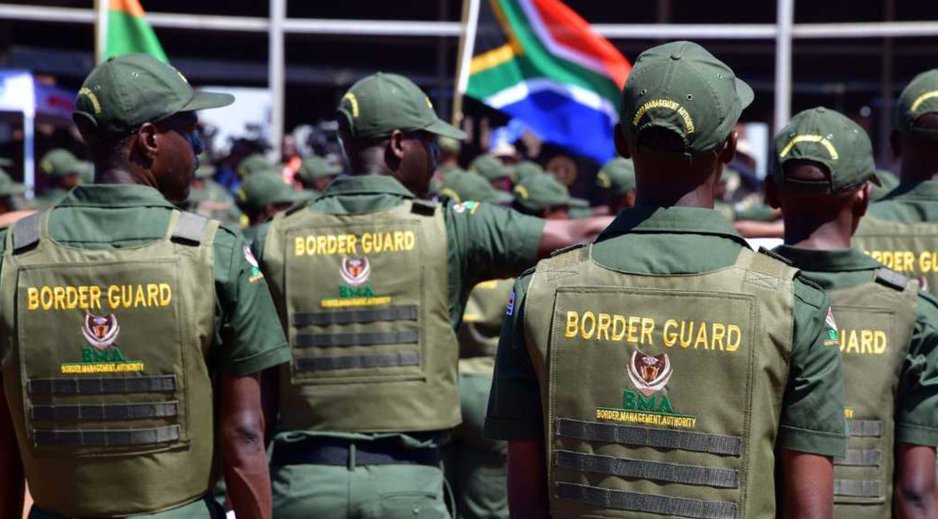
Ticking time bomb: Rising tensions over illegal immigrants put South Africa on edge
Ticking time bomb: Rising tensions over illegal immigrants put South Africa on edge
Communities feeling the pressure
South Africa’s longstanding struggle with undocumented migration is reaching a boiling point. Analysts, politicians, and community leaders alike are warning that decades of government inaction have turned illegal immigration into a “ticking time bomb” ready to ignite widespread unrest.
Recent unrest in KuGompo, Eastern Cape, after the unauthorised coronation of a Nigerian traditional leader, has brought tensions to the forefront. The ceremony, held without consent from the AmaRharhabe kingdom, triggered violent protests and sparked nationwide outrage. Traditional leaders and community members have since joined marches calling attention to the issue, with more demonstrations reportedly planned.
Security fears are growing
Political analyst Lesiba Teffo warns that the situation could escalate at any moment. “This has been a simmering time-bomb for quite some time,” he says. “It just needs one spark to set the whole country aflame.”
Concerns extend beyond community frustration. Reports have surfaced of migrants allegedly arming themselves to resist removal. Teffo cited a 2021 shoot-out between Somali nationals and taxi operators in Gqeberha, as well as the recent arrest of an Ethiopian national in Johannesburg found with a rocket launcher.
Buhle Ndoda, researcher and cofounder of GiveHope Foundation, emphasises the distinction between undocumented migrants and asylum seekers. “Undocumented migrants are in the country without legal documentation, which is against the law. Asylum seekers may have legal protections, yet they are often lumped into the same debate,” she says.
Pressure on public services
The continuous influx of undocumented individuals creates a “surplus population,” according to Ndoda groups that the state cannot fully account for or support. This puts intense pressure on jobs, social services, housing, and community resources, affecting local residents directly.
“Listening to people at the grassroots level shows the real impact,” Ndoda says. “Communities experience the strain firsthand. Understanding their perspectives keeps the conversation grounded in reality rather than political rhetoric.”
Teffo adds that in some urban areas like Johannesburg and Pretoria, certain neighborhoods have become “no-go” zones for locals, dominated by foreign residents. He also criticises human rights groups that have defended illegal migrants in court, using constitutional protections to prevent deportations.
Political criticism intensifies
Critics say the government, particularly the ANC, bears responsibility for allowing the situation to spiral. President Cyril Ramaphosa has largely remained silent, a choice analysts say legitimises the problem.
“Instead of addressing the actions of illegal foreigners, the president often condemns citizens voicing legitimate concerns,” Teffo notes. “South Africa applied an overly idealistic approach to migration after independence, letting many enter unchecked.”
African Transformation Movement MP Vuyolweth Zungula echoed these concerns, warning of citizen frustration boiling over. “When people raise concerns about immigrants and lawlessness, the government often labels them xenophobic to silence them,” Zungula says. “This misdiagnoses the problem and leaves the country vulnerable.”
What’s at stake
As demonstrations grow and tensions simmer, experts warn that South Africa is on the verge of wider unrest if the illegal immigration issue isn’t addressed decisively. Without clear policy enforcement, adequate security, and public engagement, communities risk a continued erosion of trust and safety.
For now, residents and leaders alike are watching closely, hoping that years of neglect don’t finally ignite the explosive situation that analysts have long feared.
{Source: The Citizen}
Follow Joburg ETC on Facebook, Twitter , TikTok and Instagram
For more News in Johannesburg, visit joburgetc.com