News
Indonesia Moves To Ban Social Media For Under-16s In Major Digital Safety Push
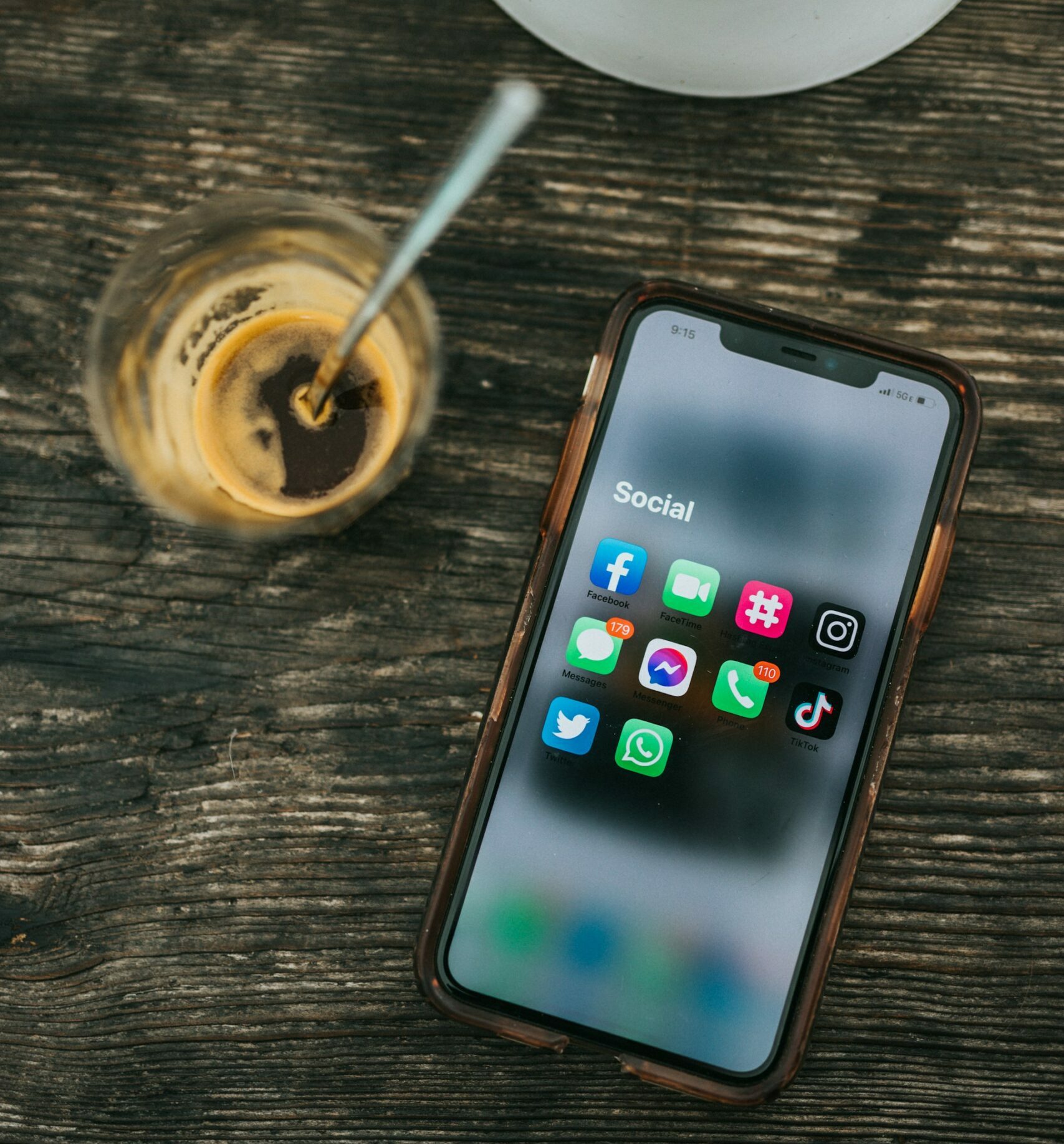
Indonesia is preparing to take a bold step in regulating the digital lives of young people. The government has announced that children under the age of 16 will soon be barred from accessing several major social media platforms as part of a sweeping effort to protect minors online.
The decision, revealed by Indonesia’s Communications Minister Meutya Hafid on Friday, comes amid growing global concern about the impact of social media on children and teenagers.
From late March, the government will begin rolling out a ban that targets accounts belonging to users younger than 16 on some of the world’s biggest digital platforms.
Major Platforms Targeted In The Ban
According to the government, the initial phase of the policy will see under-16 accounts removed from what officials describe as “high-risk platforms.”
These include YouTube, TikTok, Facebook, Instagram, Threads, X, Bigo Live and Roblox.
Authorities say accounts belonging to children on these platforms will gradually be deactivated as companies are required to comply with the new rules.
Implementation is scheduled to begin on March 28, 2026, with the rollout happening in stages until all affected platforms meet the government’s compliance requirements.
Government Says Children Need Protection Online
Officials say the new regulation is aimed at addressing growing digital risks faced by young users.
Among the major concerns raised by the government are exposure to online pornography, cyberbullying, online scams and the increasing problem of internet addiction among children.
Hafid said the state is stepping in because many parents feel overwhelmed by the scale and influence of large technology platforms.
“The government is stepping in so that parents no longer have to fight alone against the giants of the algorithm,” she said.
The minister acknowledged that the policy may initially disrupt how families and young people use technology, but insisted the move is necessary.
Indonesia’s leadership has framed the policy as a long-term investment in the wellbeing of its younger generation.
“We are taking this step to reclaim the sovereignty of our children’s future,” Hafid said.
“We want technology to humanise humans, not sacrifice our children’s childhood.”
Part Of A Growing Global Debate
Indonesia is not alone in reconsidering how social media should be regulated for young users.
Across the world, governments are exploring similar measures as concerns about children’s online safety grow.
A European Union expert group recently began reviewing the possibility of restricting social media access for under-16s. The move comes after Australia introduced rules in December requiring major platforms such as TikTok, YouTube and Snapchat to remove accounts held by children younger than 16.
That decision has already sparked legal challenges, highlighting how complex regulating global technology companies can be.
Elsewhere, countries including France, Denmark, Greece and Spain are pushing for similar protections across the European Union. India has also been weighing up whether to introduce restrictions on social media access for teenagers.
Indonesia’s new policy now places the Southeast Asian nation firmly among the countries attempting to redraw the boundaries between childhood and the online world.
As the March rollout approaches, attention will turn to how technology companies respond and whether such measures can truly reshape how young people engage with social media.
{Source:IOL}
Follow Joburg ETC on Facebook, Twitter , TikTok and Instagram
For more News in Johannesburg, visit joburgetc.com