News
Iran’s ambassador in South Africa vows continued fight against Israel and the US
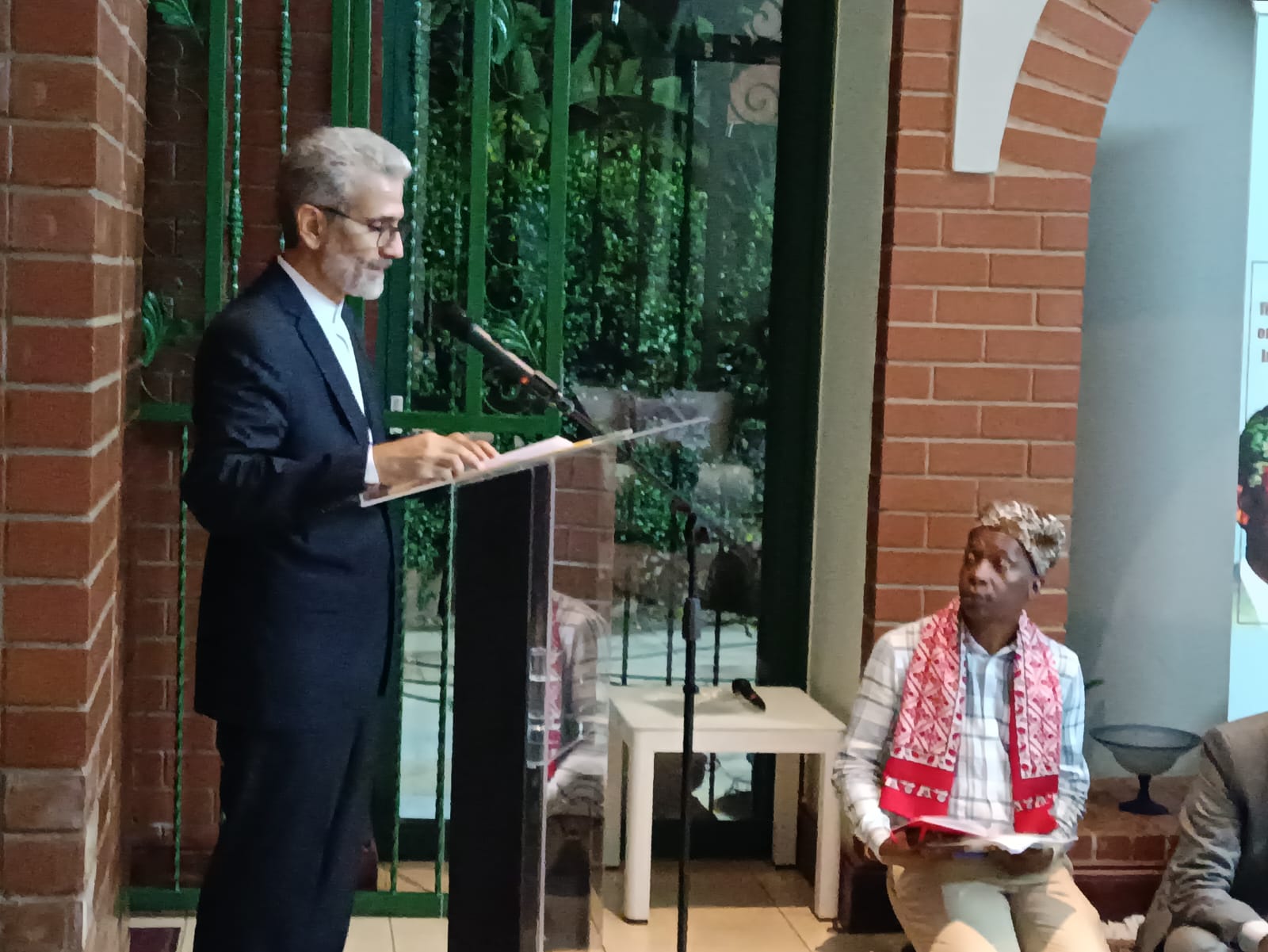
Iran’s ambassador in South Africa vows continued fight against Israel and the US
Iran’s ambassador to South Africa has delivered a defiant message as tensions in the Middle East spiral into one of the most serious confrontations in recent decades.
Speaking on Wednesday evening, Mansour Shakib Mehr said Iran would continue confronting both United States and Israel, insisting Tehran is acting in self-defence following what it describes as a coordinated military assault.
The ambassador claimed the strikes resulted in the death of Iran’s Supreme Leader, Ali Khamenei, and warned that the conflict represents a serious breach of international law.
“A dangerous violation of international norms”
Mehr described the killing of Khamenei as unprecedented, arguing that targeting a head of state undermines the foundations of international diplomacy.
According to the ambassador, such an act violates principles of sovereign equality under international law.
He also alleged that some of the initial attacks extended beyond military sites and hit civilian areas.
Mehr cited an incident in the southern Iranian city of Minab where he claimed an all-girls elementary school was destroyed, killing nearly 170 children. He described the strike as a “horrific crime against children”.
These claims have not been independently verified, but they reflect the sharply opposing narratives emerging from both sides of the conflict.
A rapidly escalating confrontation
The latest escalation reportedly began on 28 February when Israel and the United States launched a large-scale coordinated campaign against Iranian targets.
The operation, widely referred to as “Operation Epic Fury”, is said to have included air and missile strikes aimed at senior Iranian leadership, ballistic missile infrastructure and nuclear facilities.
One of the sites reportedly targeted was the Natanz Nuclear Facility, a key part of Iran’s nuclear programme.
Iranian state media later reported that Khamenei had been killed during the early phase of the strikes and that succession procedures were underway.
Iran launches drones and missiles
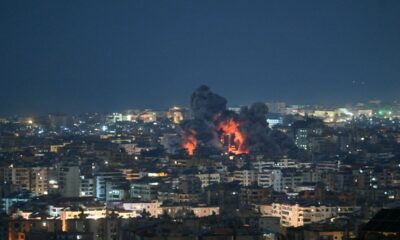
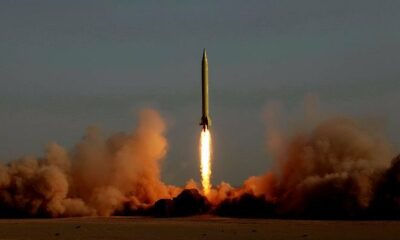
In response, Tehran has launched a massive wave of retaliatory strikes.
Reports indicate that more than 2,000 drones and around 500 ballistic missiles have been fired towards Israeli territory, US military installations and locations in neighbouring Gulf states.
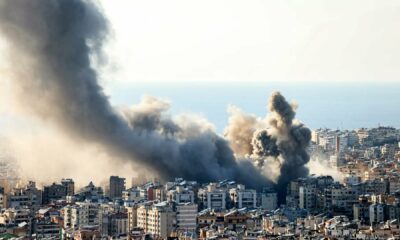
The Lebanese militant group Hezbollah has also opened a second front from southern Lebanon, launching rockets and drones toward northern Israel.
Casualties continue to mount across the region. According to emerging reports, more than 1,000 people have been killed in Iran since the conflict began, while dozens have died in Lebanon and at least 11 in Israel.
Global economic shockwaves
Beyond the battlefield, the conflict is already rattling global markets.
Tehran has effectively closed the Strait of Hormuz to commercial shipping, a move that threatens a significant portion of the world’s oil and gas supply.
The narrow waterway is one of the most critical energy transit routes on the planet. Any sustained disruption could trigger fuel price spikes and wider economic instability.
For countries like South Africa, which relies heavily on imported fuel, developments in the Gulf are closely watched.
Dispute over nuclear programme
US and Israeli officials have defended their actions by arguing they are aimed at weakening Iran’s military capabilities and preventing it from developing nuclear weapons.
Israel has long maintained that Tehran’s nuclear programme and its support for groups such as Hamas and Hezbollah pose a serious threat to regional security.
However, the Iranian ambassador rejected those claims.
He said Tehran had been engaged in negotiations with Washington and cooperating with inspectors from the International Atomic Energy Agency before the attacks occurred.
According to Mehr, launching military strikes during diplomatic talks represents a betrayal of ongoing negotiations.
Appeal to the international community
In his remarks, Mehr urged the United Nations Security Council and international groupings such as BRICS and the Non-Aligned Movement to condemn what Iran views as aggression.
He described the moment as a “historic test” for the global multilateral system.
The ambassador also appealed directly to South Africans, referencing the historical ties between Iran and South Africa’s liberation struggle.
After the 1979 Iranian revolution, Tehran severed diplomatic relations with apartheid-era South Africa in protest against the racial regime, a point Iranian officials often highlight when addressing South African audiences.
A conflict the world is watching closely
The confrontation between Iran, Israel and the United States is the culmination of years of hostility, sanctions and proxy conflicts across the Middle East.
What makes the current situation especially volatile is the scale of direct military engagement between major powers.
For now, the world is watching anxiously, hoping the conflict does not spiral into a wider regional war with global consequences.
{Source: IOL}
Follow Joburg ETC on Facebook, Twitter , TikTok and Instagram
For more News in Johannesburg, visit joburgetc.com