News
Iran Court Orders US To Pay $22 Billion Over Alleged Role In 2022 Protests
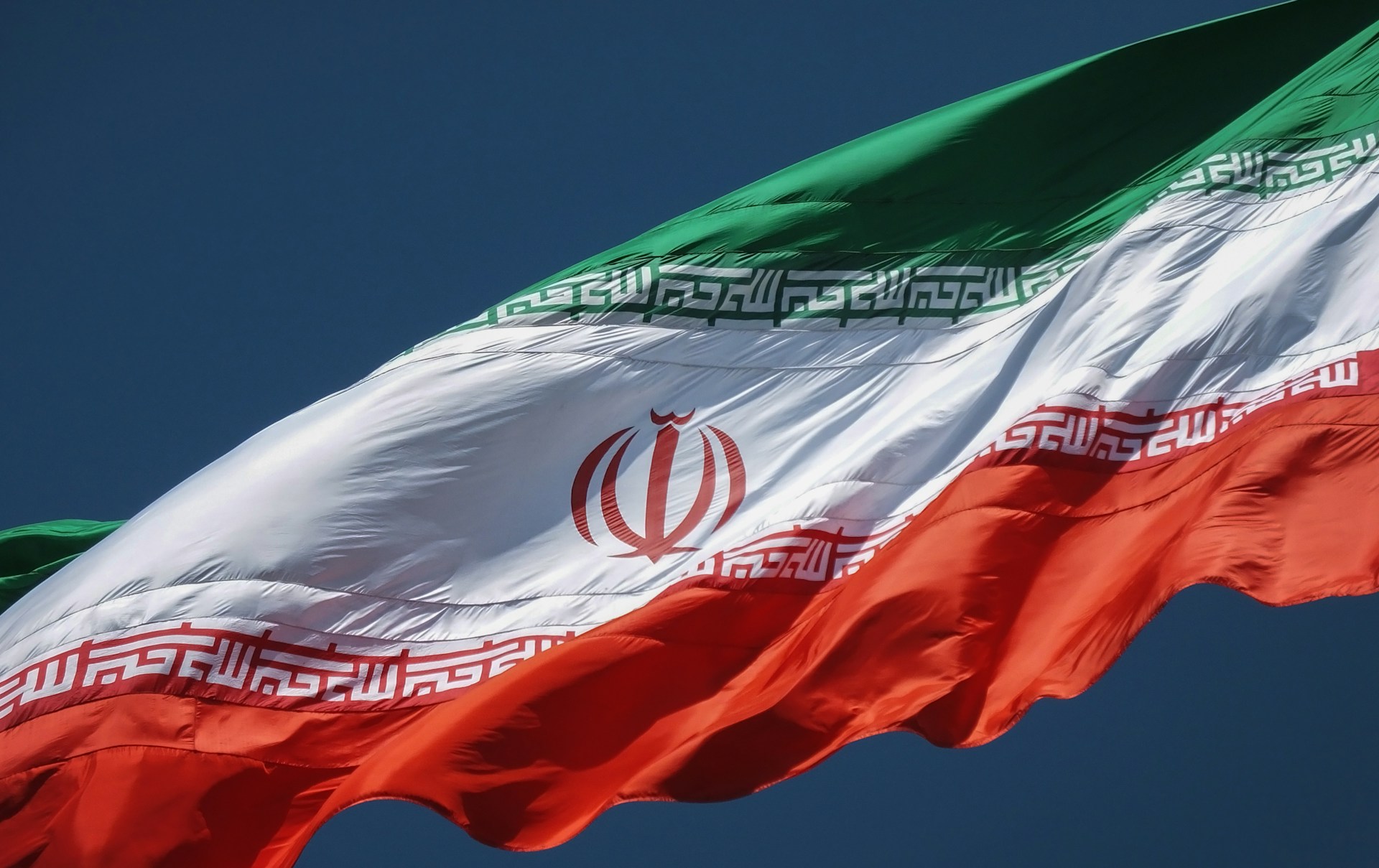
When Iran’s judiciary announced this week that a Tehran court had ordered the United States to pay more than $22 billion in damages, it added yet another dramatic chapter to the long-running, often volatile political feud between the two countries. The ruling centres on the 2022 protests that erupted after the death of 22-year-old Mahsa Amini, a moment that sparked one of the biggest waves of unrest in Iran in recent memory.
A Ruling Rooted In A Painful National Flashpoint
For many Iranians, the 2022 protests were not just demonstrations but a collective breaking point. Amini had been detained by Iran’s morality police for allegedly violating the country’s strict dress code. Her death in custody ignited months of anger, grief, and calls for change. Streets filled with crowds demanding accountability, and clashes left hundreds dead, including security forces.
It’s against this backdrop that Iran’s judiciary spokesman, Asghar Jahangir, announced the massive compensation order. Speaking at a weekly briefing, he claimed that “traces of the United States” were present throughout what Iranian officials labelled foreign-instigated riots. He insisted the US provided both moral and material support to those participating in the protests.
Washington’s Sanctions And Tehran’s Counter-Accusations
The accusations aren’t new. Iran’s leaders have repeatedly alleged that Western powers, particularly the US and Israel, fanned the flames of the 2022 unrest. Jahangir again pointed fingers at both nations, saying they “instrumentalised tensions” and caused loss of life and widespread damage. No further evidence was publicly presented.
Meanwhile, the US has maintained a firm stance on Iran’s human rights record. In October 2022, Washington sanctioned at least 10 Iranian officials over the violent crackdown on protesters. More sanctions followed in 2024, targeting individuals accused of abuses during the unrest. For many observers, this tit-for-tat pattern remains symbolic of the power struggle rather than a functional diplomatic exchange.
How Iranians Are Responding Today
While the ruling has dominated headlines in Iran, public reaction has been mixed. On social media, some users scoffed at the idea of the US ever paying a cent, with one commenter writing, “We can’t even get medicine because of sanctions, but somehow America will send us $22 billion?” Others, especially government supporters, applauded the boldness of the court’s stance.
There’s also a growing cultural undertone to the ongoing tension. Since the protests, many Iranian women have continued to challenge the country’s dress code laws by openly appearing in public without compulsory head coverings. This act of resistance has become a symbol of how deeply the events of 2022 shifted the social landscape.
A New Layer To A Tense Year
This ruling comes at a time when Iran’s relationship with the West is already under strain. In June, Israel launched an unprecedented attack on Iranian territory, sparking a 12-day conflict that briefly drew the US into joint strikes on nuclear sites. Iranian officials now claim that the military pressure was also meant to destabilise society and encourage renewed public unrest.
Whether the $22 billion claim is a symbolic political message or a legal decision Iran intends to pursue on the world stage, it undeniably adds fuel to an already fiery diplomatic environment.
What Comes Next?
From a practical standpoint, the US is almost certain to ignore the ruling. Iran cannot enforce it internationally, and no mechanism exists for compelling payment. But in the realm of global politics, symbolism often carries as much weight as enforcement.
For ordinary Iranians, the battles between Tehran and Washington continue to unfold far above their daily lives, even as the legacy of 2022 still shapes the country’s social, cultural, and political climate.
One thing is clear: the ripple effects of Mahsa Amini’s death, and the protests that followed, continue to define Iran’s trajectory today.
{Source:The Citizen}
Follow Joburg ETC on Facebook, Twitter , TikTok and Instagram
For more News in Johannesburg, visit joburgetc.com