News
Explosions shake Doha as Iranian missile campaign spreads across Gulf
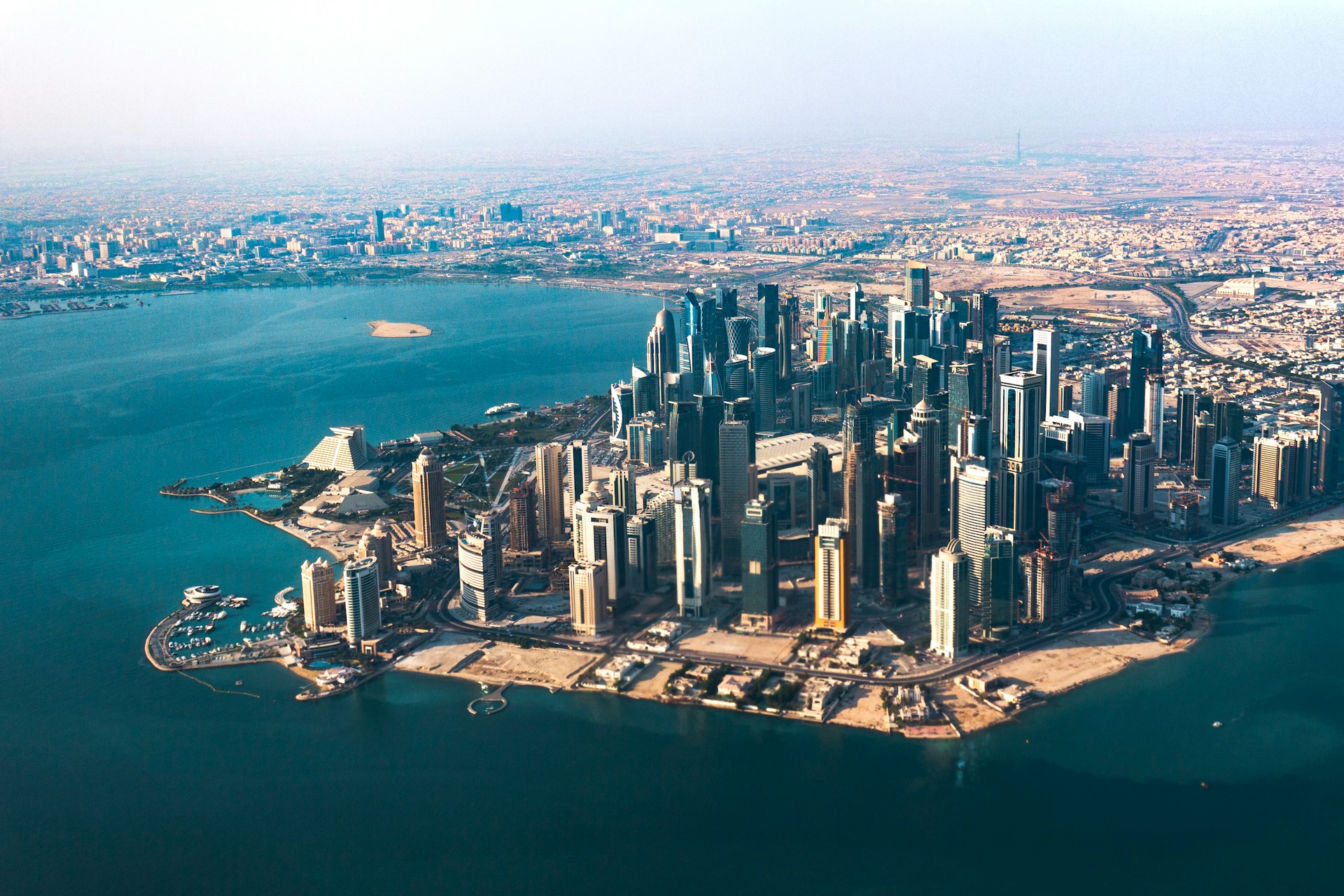
Residents in the Qatari capital woke to the sound of powerful explosions on Thursday as Iran’s escalating military campaign in the Gulf sent shockwaves across the region.
Several blasts rattled Doha just hours after authorities began evacuating people living near the United States embassy, a sign that tensions had sharply intensified overnight. Witnesses reported seeing thick black smoke rising over the city’s skyline while Qatar’s defence ministry confirmed that its military was working to intercept incoming missiles.
The explosions are the latest in a series of strikes linked to Iran’s retaliation for the large-scale air campaign carried out by the United States and Israel.
Doha hit by some of the strongest blasts yet
Journalists on the ground described Thursday’s explosions as among the most intense since Iran began targeting Gulf states earlier in the week.
While officials have not released full details of damage or casualties, the sight of smoke drifting across the horizon underlined the growing threat facing one of the region’s most influential capitals. Qatar is home to major diplomatic and military infrastructure, including key US facilities that play a strategic role in the Gulf.
The strike came shortly after a tense diplomatic exchange between Qatar and Iran.
According to a statement from Qatar’s foreign ministry, Prime Minister Sheikh Mohammed bin Abdulrahman Al Thani confronted Iran’s foreign minister Abbas Araghchi during a phone call, accusing Tehran of trying to drag neighbouring countries into a conflict that does not involve them.
The conversation marked the first high level contact between the two governments since Iran launched its drone and missile campaign against targets across the Gulf.
Explosions reported across the Gulf region
Doha was not the only city feeling the impact of the widening confrontation.
Explosions were also reported in Bahrain’s capital Manama, adding to fears that the conflict could spill further across the Gulf.
In Saudi Arabia, the defence ministry said its air defence systems intercepted three cruise missiles and several drones approaching the city of Al-Kharj. Officials confirmed the weapons were destroyed before reaching their intended targets.
Meanwhile, a separate incident raised fresh concern for global energy markets. A tanker travelling in waters off Kuwait was struck by a large explosion, according to the British maritime security agency UKMTO, which said the blast caused an oil spill.
These incidents highlight how rapidly the conflict is spreading across a region that sits at the centre of the world’s energy supply.
Strait of Hormuz tensions raise global concerns
Iran’s elite Revolutionary Guards have claimed they now have full control over the Strait of Hormuz, the narrow waterway linking the Gulf to the Indian Ocean.
The strait is one of the most critical shipping lanes on the planet, with a significant portion of the world’s oil passing through it every day. Any disruption to this route could have major consequences for global energy markets and international trade.
For Gulf nations that rely heavily on stable maritime routes and regional security, the growing missile and drone attacks represent a serious escalation.
With explosions now being heard in multiple capitals and vital shipping routes under pressure, the situation is raising alarm far beyond the Middle East. Governments and security analysts are closely watching the unfolding conflict, aware that further escalation could ripple across global politics, trade and energy supplies.
{Source:EWN}
Follow Joburg ETC on Facebook, Twitter , TikTok and Instagram
For more News in Johannesburg, visit joburgetc.com