News
Israel files delayed response in South Africa’s Gaza genocide case at ICJ
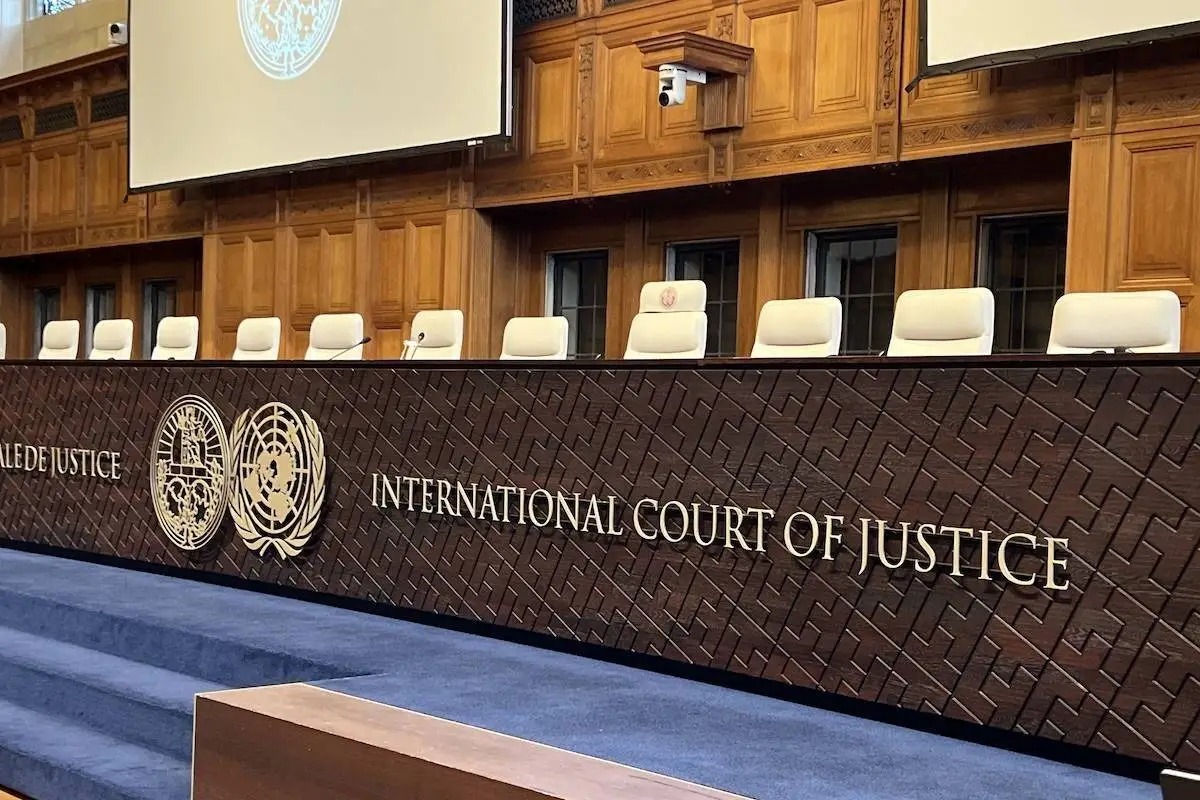
More than seven months after a key deadline passed, Israel has submitted its formal response to South Africa’s genocide case at the International Court of Justice. The filing marks a new phase in one of the most closely watched legal battles on the global stage, even as conditions in Gaza continue to deteriorate.
Pretoria first brought the case before the court in late 2023, arguing that Israel’s military campaign in Gaza violates the Genocide Convention. Since then, the dispute has drawn intense international attention and placed South Africa at the centre of a legal and diplomatic storm.
Now, with Israel’s delayed response finally lodged, the process at the world’s highest court is set to move forward.
Israel submits response months after deadline
Israel filed its response on 12 March 2026. The document arrived more than seven months after the original deadline of 28 July 2025. The court had previously granted Israel two extensions to prepare its submission.
South Africa’s case itself began with an 84-page application lodged at the ICJ on 29 December 2023. Pretoria asked the court to rule that Israel’s military actions in Gaza amount to genocide and requested urgent measures to halt the offensive.
Dirco spokesperson Chrispin Phiri confirmed that the South African government has acknowledged Israel’s filing. Officials will now study the response before deciding on the next step in the legal process.
According to Phiri, Pretoria must determine whether it will request permission to submit additional written arguments or move directly to the oral hearings stage.
Gaza crisis deepens as legal process unfolds
While the legal proceedings continue in The Hague, the humanitarian situation in Gaza remains severe.
Phiri said civilians in Gaza are still facing ongoing bombardment, extensive damage to infrastructure, and extremely fragile living conditions. The conflict has continued despite three binding orders issued by the ICJ and the announcement of a ceasefire.
The United Nations has also raised alarm about the worsening conditions in the territory. UN Secretary General António Guterres recently warned that the situation remains dire, citing continued military strikes, shelling, and limited access to food, aid, and essential services.
South African officials say the crisis is now intertwined with rising tensions elsewhere in the region, including conflict linked to Lebanon and the Gulf. These developments, they argue, increase the risk of the conflict expanding further.
International support for the case grows
South Africa’s legal challenge is increasingly drawing attention from other countries.
Both the Netherlands and Iceland have submitted declarations of intervention at the ICJ under Article 63 of the court’s statute. Their filings were made on 11 March and signal broader international interest in the legal interpretation of the Genocide Convention.
Such interventions do not mean the countries are directly joining the dispute. Instead, they allow states to present legal views on how the convention should be interpreted in the case.
For Pretoria, the interventions are another sign that the proceedings have become a global test of how international law responds to modern conflicts.
South Africa vows to pursue case to the end
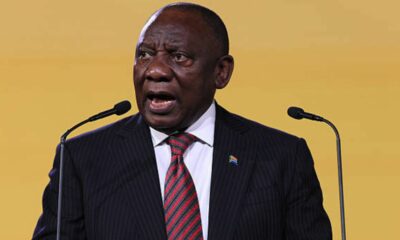
President Cyril Ramaphosa has framed the case as part of a broader effort to defend international law at a time when global institutions are under pressure.
Speaking about the Gaza crisis, Ramaphosa said the moment calls for renewed commitment to shared global principles and the role of institutions such as the United Nations and the International Court of Justice.
South Africa’s government has repeatedly emphasised that it intends to pursue the case through every stage of the court process.
International Relations Minister Ronald Lamola previously confirmed that Pretoria remains committed to seeing the proceedings through to their conclusion.
For now, the filing of Israel’s response moves the case into its next chapter. The legal debate will continue in courtrooms thousands of kilometres from the battlefield, while the humanitarian and political stakes continue to unfold on the ground.
Follow Joburg ETC on Facebook, Twitter, TikT
For more News in Johannesburg, visit joburgetc.com
Source: The Citizen
Featured Image: Middle East Monitor