News
Israel Named World’s Deadliest Nation for Journalists in 2025, RSF Report Paints a Grim Picture for Press Freedom
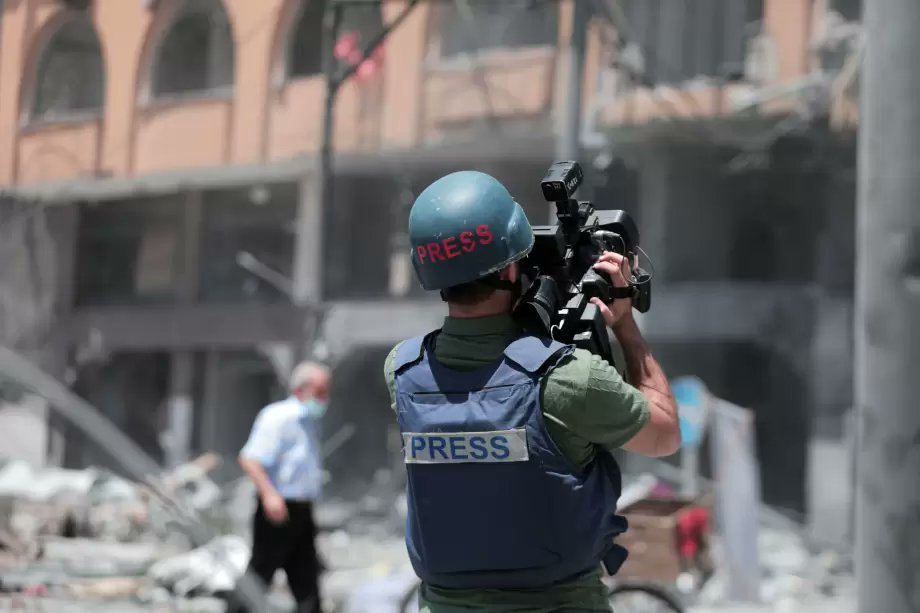
There are statistics, and then there are numbers that sit heavy on the chest. The latest annual report from Reporters Without Borders (RSF) has one of those numbers 29. That’s how many Palestinian journalists were killed by Israeli forces in Gaza this year, making Israel responsible for nearly half of all journalist deaths globally in 2025.
It’s a chilling milestone, and one that has ignited outrage across newsrooms, press advocacy circles, and social media. For many, it reads as yet another line in a tragic pattern, one where journalists, instead of merely witnessing war, are dying in it.
A Deadly Year for Media and Gaza the Epicentre
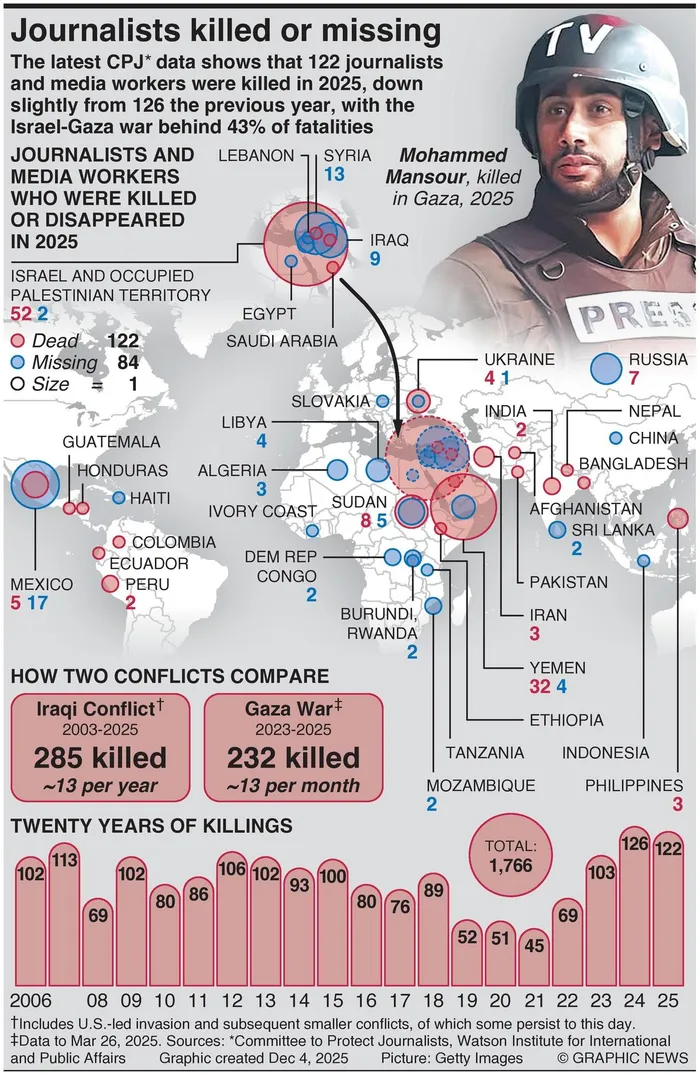
RSF recorded 67 journalist deaths worldwide over the past 12 months, a slight increase from 2024’s tally of 66. But when you include data from the Committee to Protect Journalists (CPJ), counting media workers beyond just reporters, the toll climbs to 122 deaths.
For the third year in a row, Israel tops the list of global journalist killers.
The deadliest single incident came on 25 August, when a double-tap strike on a hospital in south Gaza killed five journalists, including contributors for Reuters and the Associated Press. In journalism, double-tap strikes are known and feared, an initial hit followed by another minutes later, often catching those who rush in to report or rescue.
Since the start of the Gaza war in October 2023, nearly 220 journalists have been killed, according to RSF. In some newsrooms, there are barely any colleagues left to mourn.
Sourced : IOL
Foreign Press Still Locked Out of Gaza
One detail stands out: foreign journalists still can’t access Gaza freely. Unless they join highly controlled military-guided tours, the territory remains off-limits. Global media networks have been demanding independent access for over a year.
The result is that the people documenting Gaza’s reality are overwhelmingly Palestinian, reporting in their own communities and dying in them.
South Africans online have echoed a sentiment widely shared globally: How do you tell the story of a place the world won’t let you into?
On X (Twitter) and TikTok, journalists are calling the situation “unprecedented,” “intentional,” and “a blackout by death.” Others ask why global protection laws seem so powerless here.
Not Just Gaza, Mexico, Ukraine and Sudan Also Deadly
While Israel stands at the centre of the crisis, the RSF report shows danger for journalists stretches far beyond Gaza’s borders.
-
Mexico recorded nine killings in 2025, its deadliest year in three years, despite government promises of protection.
-
Sudan reported four journalist deaths, and
-
Ukraine, caught between war lines, saw three more.
It’s a reminder that journalists often die not only in bombed cities, but in places silenced by cartels, conflict and authoritarian rule.
Even with 2025’s grim tally, the world has seen worse 2012 peaked at 142 journalist deaths, largely due to the Syrian war. But RSF warns the trend remains troublingly high.
The decade-old average sits at around 80 per year, meaning the world has normalised a level of danger most professions will never know.
Journalists Are Not Just Dying, They Are Being Jailed
RSF’s report also counts another kind of silence: imprisonment.
As of 1 December 2025, 503 journalists sit behind bars in 47 countries. China leads with 121 jailed journalists, followed by Russia (48) and Myanmar (47), countries where press freedom remains frail, if not criminalised.
Advocates say the message is clear: if violence doesn’t stop the story, prisons will.
Why This Matters More Than Headlines
Journalists are society’s eyes and ears; they run towards danger so the world doesn’t have to. When they disappear, stories disappear with them. History fades. Truth cracks.
This report isn’t just a set of numbers, it’s a warning. One that begs the question:
If journalists can’t survive the story, who will tell it?