News
Israel and Iran: The Tension Surge Putting the Middle East on Edge
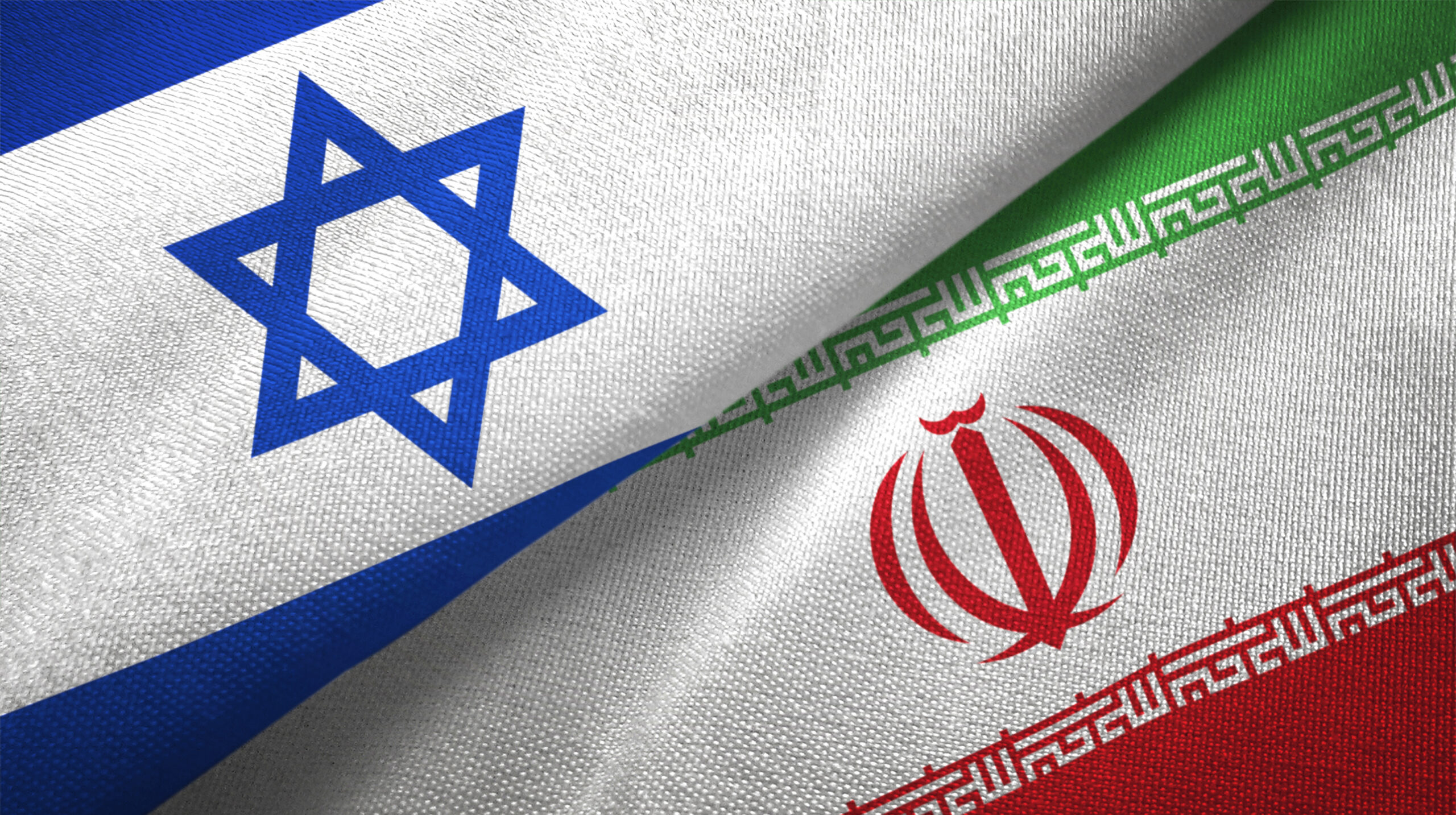
A region holding its breath
Conversations around a possible renewed confrontation between Israel and Iran have resurfaced with intensity, particularly after senior Israeli defence officials briefed parliament behind closed doors. Their message was clear. Iran has boosted its ballistic missile production and is pushing ahead with efforts that Israel sees as a direct threat to national survival.
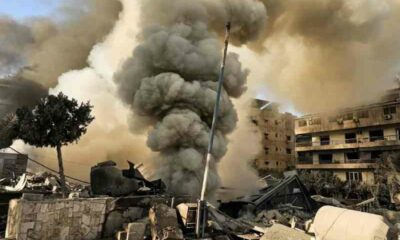
For many in the Middle East, the atmosphere feels eerily familiar. The last major clash between the two states lasted twelve days. Analysts now warn that the next one could be far more destructive.
A missile race that refuses to slow down
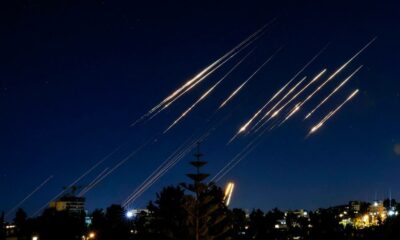
Reports from Israeli media indicate that the country’s military planners are preparing for the possibility of hundreds of Iranian ballistic missiles being launched in a single wave. This concern has returned largely because Tehran has broadened its missile manufacturing capacity. Western outlets have echoed similar warnings, commenting that both governments are building up capabilities while moving further away from diplomatic engagement.
One of the triggers for the rising tension is the final expiration of the 2015 nuclear agreement known as the Joint Comprehensive Plan of Action. The end of the deal reopened old wounds. It revived sanctions on Iran and left negotiations stalled. Iranian officials say they have eliminated their highly enriched uranium stockpiles. Israeli officials remain sceptical and continue to monitor suspected storage sites.
Iran’s missile factories are reported to be operating around the clock. Specialists familiar with Iranian defence thinking believe that if a new war erupts, Tehran aims to overwhelm Israeli defences by firing a far larger number of missiles than before.
Old rivalries, new conditions
The rivalry between the two countries has lasted decades, shaped by ideology, regional competition, and military strategy. Iran’s network of regional allies remains central to its deterrence approach. Groups in Yemen, Lebanon, and Iraq still form part of this layered defence structure, even though it has weakened after the twelve-day conflict and political shifts in Syria.
From Israel’s perspective, the threat has not diminished. Officials reportedly continue to explore options that go beyond deterrence. This includes debates about whether political change in Iran could even be on the table while Washington is led by President Donald Trump until early 2029. Israel continues to monitor nuclear and military facilities closely. Construction at a major Iranian underground site known as Pickaxe Mountain has added extra urgency due to the absence of international inspection access.
Washington walks a tightrope
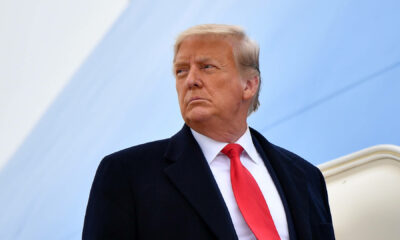
President Trump has acknowledged American involvement in previous strikes on Iran. At the same time, he insists that the United States does not want a new Middle Eastern war. He has suggested that sanctions could be eased and has floated the idea of a new agreement with Iran. None of these proposals has taken shape.
Iran’s leadership says it will talk only if engagements occur on equal terms and if its ballistic missile programme remains off-limits. National sovereignty is central to Tehran’s narrative. It argues that any rollback of its technological development is unacceptable.
Meanwhile, both governments seem to view diplomacy through very different lenses. Iranian strategists believe that Israel will continue pressing for military advantage and that any strike would likely be designed to force the United States to step in. Washington risks being drawn into a conflict by momentum rather than intention.
Regional anxiety and global stakes
Across the Gulf, governments are watching the situation with rising unease. Many regional leaders now consider another Israeli strike on Iran more likely than not. If Iran retaliates with significant force, the United States could face an immediate decision about whether to intervene. Any involvement would reshape global politics and could test Iran’s long-term survival as a functioning state.
Iranian officials insist they are not intimidated. They warn that in the event of a total war, they would ensure that Israel suffers equally severe damage. It is a chilling reminder that both countries view the confrontation as existential.
A conflict waiting for a spark
The underlying disagreements that fuel the Israel-Iran rivalry have not been resolved. Military expansion continues on both sides. Diplomatic pathways remain narrow. Regional actors are tense. American politics is turbulent.
Taken together, these conditions create a sense that the region is moving toward a moment when a single strike, miscalculation, or political gamble could ignite a far larger conflict.
For now, the world can only watch as both nations prepare for outcomes that neither claims to want, but both appear ready to face.
Follow Joburg ETC on Facebook, Twitter, TikT
For more News in Johannesburg, visit joburgetc.com
Source: IOL
Featured Image: Stimson Center