News
Explosions Rock Tehran As Israel Escalates Middle East War
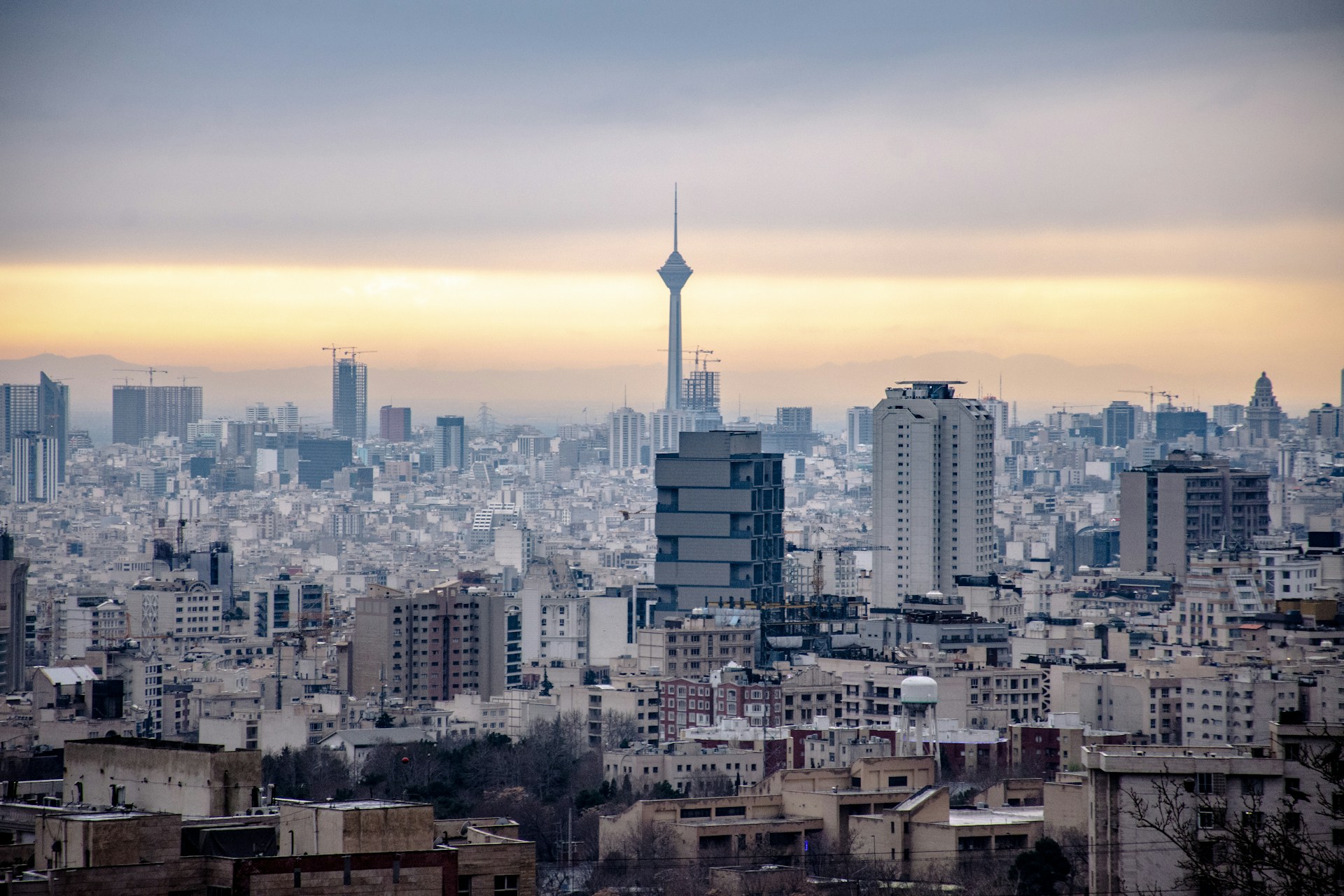
The Middle East conflict that erupted just days ago is already entering what military leaders are calling a dangerous new phase. Early Friday morning, powerful explosions lit up the skies over Tehran as Israel confirmed it had launched strikes targeting what it described as Iranian regime infrastructure.
The attacks come as the war between Israel and Iran rapidly widens beyond their borders, dragging neighbouring countries and global powers into an increasingly volatile situation.
Across the region, cities are bracing for further escalation.
Tehran Under Heavy Pressure
Residents of Iran’s capital woke to the sound of explosions echoing across the city. Israel’s military said its strikes were aimed at key state-linked facilities in Tehran, marking one of the most direct assaults on the Iranian capital in years.
Information from inside Iran has been limited. Internet monitoring group NetBlocks reported that connectivity had dropped to roughly one percent, making it difficult for residents to communicate with the outside world.
Despite the lack of information, signs of tension in Tehran are unmistakable. Streets that are usually packed with traffic have fallen unusually quiet, while reports suggest security forces have tightened control across major areas of the city.
According to residents speaking to international media, armed personnel have been stationed across major intersections as authorities attempt to maintain order.
The strikes come days after Israel and the United States launched the initial attacks that killed Iran’s Supreme Leader Ayatollah Ali Khamenei, an event that dramatically shifted the balance of power in the region.
Israel’s military leadership has now signalled that the campaign is far from over.
Lieutenant General Eyal Zamir, Israel’s military chief, said the operation was entering a new stage and hinted that further actions were being prepared.
Lebanon Drawn Into The Conflict
While Tehran remains a key focus, the conflict is also spreading across neighbouring Lebanon.
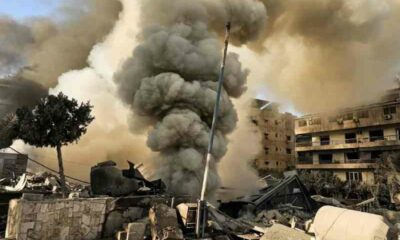
Overnight airstrikes hit several towns in southern Lebanon as well as densely populated suburbs of Beirut that are widely considered strongholds of the militant group Hezbollah. The organisation has launched missiles toward Israel in support of Iran.
The destruction has forced thousands of residents to flee their homes. Entire neighbourhoods have been emptied as families search for safe shelter.
In Beirut, scenes of displacement unfolded along the city’s coastline where hundreds of families gathered after evacuating their homes with little warning.
Lebanon’s Prime Minister Nawaf Salam warned that the displacement crisis could soon become a major humanitarian emergency if the fighting continues.
According to Lebanon’s health ministry, more than 120 people have already been killed in the Israeli strikes.
Iran Retaliates With Missile Attacks
Iran has responded with waves of missiles and drones aimed at Israeli cities.
Sirens rang across parts of Israel after launches were detected from Iran, with explosions reported over Tel Aviv and the coastal city of Netanya.
Emergency responders in Israel say at least 10 people have died since the conflict began.
The United States has also been drawn directly into the fighting. Six American service members have reportedly been killed since the war started last weekend.
US Defence Secretary Pete Hegseth warned that American firepower over Iran could increase significantly in the coming days.
Gulf States And Global Powers Caught In The Crossfire
What began as a confrontation between Israel and Iran has now spread across a wide swathe of the Middle East.
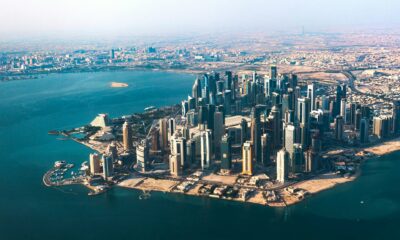
Qatar intercepted a drone targeting a US air base early Friday, while Saudi Arabia confirmed it had shot down several drones approaching Riyadh.
Civilian casualties are also mounting in Gulf countries. At least 13 people have died outside the main conflict zones since the war began.
In Kuwait, an 11 year old girl was among those killed after an attack struck a residential area.
Beyond the Middle East, tensions are rippling into other regions. A US submarine reportedly destroyed an Iranian naval vessel near Sri Lanka, while Azerbaijan has threatened retaliation after a drone strike damaged an airport.
Markets And Oil Prices React To Rising Tensions
The war is also shaking global markets.
Energy prices have surged as traders worry about the safety of shipping routes in the Strait of Hormuz, one of the world’s most important oil corridors.
Crude oil prices have jumped by roughly 20 percent in just one week as shipping traffic through the region slows dramatically.
Analysts warn the economic shock could deepen if the conflict intensifies.
Market strategist Chris Beauchamp said the situation remains extremely unstable, adding that financial markets are likely to stay volatile unless the conflict ends soon.
For now, the war shows little sign of slowing.
With airstrikes expanding, regional powers mobilising and global markets reacting nervously, the Middle East is facing one of its most unpredictable security crises in years.
{Source:EWN}
Follow Joburg ETC on Facebook, Twitter , TikTok and Instagram
For more News in Johannesburg, visit joburgetc.com