News
‘It Could Have Been Done Better’: Top Cop Mosikili Testifies on Flawed PKTT Disbandment
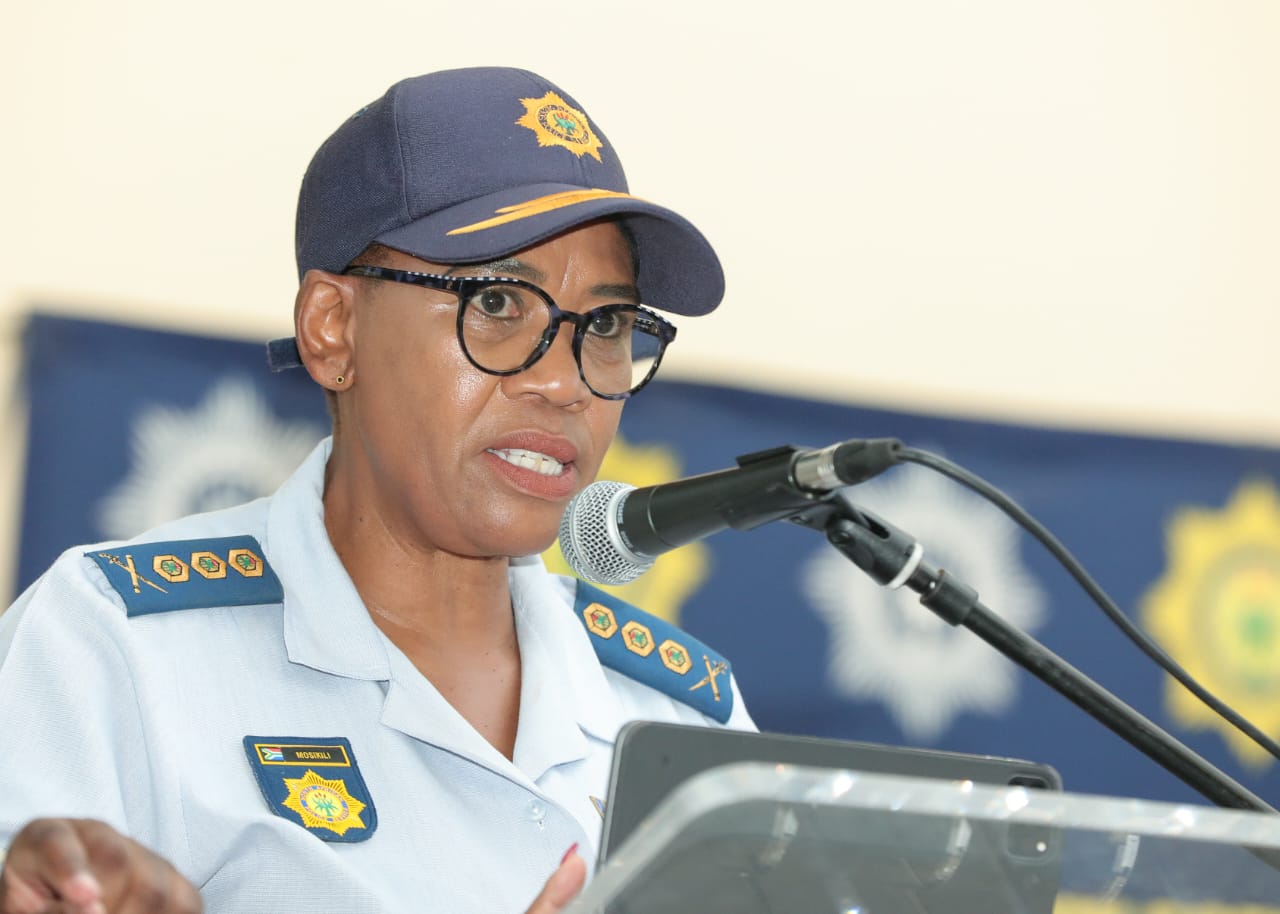
The disbandment of the Political Killings Task Team (PKTT) did not follow the appropriate chain of commandand was not properly communicated.
That was the testimony of Lieutenant-General Tebello Mosikili, deputy national commissioner of Police, before Parliament’s Ad Hoc Committee on Tuesday.
The Context
The inquiry is investigating allegations raised by KwaZulu-Natal Police Commissioner Nhlanhla Mkhwanazi, including the alleged unlawful disbandment of the PKTT, a moratorium on filling vacancies in Crime Intelligence, and alleged corrupt relations between senior SAPS leadership and members of the public.
It was sparked by a directive issued by then-Minister of Police Senzo Mchunu to National Commissioner Fannie Masemola on 31 December 2024, ordering the immediate disbandment of the PKTT.
The Confusion
Mosikili, who has 36-and-a-half years of experience at SAPS, was acting national commissioner when the directive landed.
“To be honest and frank, I became confused. I was unsure. I was also surprised, and I questioned the authenticity of the directive as I could not believe the content, precisely because of the tone of the letter. For me, it was unexpected.”
Days before the directive was issued on New Year’s Eve, Mosikili had been with Mchunu and Masemola evaluating Operation Festive Season in the Eastern Cape, Western Cape, and KwaZulu-Natal.
“At no stage was the mention of PKTT or any attempts to have any directive on PKTT, neither from the minister nor the national commissioner.”
The Communication Failure
“It could have been best if we were convened and those affected and expected to deliver on this particular key performance indicator were aware of what would happen and what the repercussions would be.”
“With every operation, you need to evaluate what the impact will be, and so in short, it was not properly communicated. In my view, it could have been done better.”
The Lack of Planning
Mosikili expressed reservations about the necessity of the disbandment.
“I had never thought we would just move from having this task team and have it disbanded.”
She had been divisional commissioner for detective services when the PKTT was formed and knew the circumstances. When task teams are disbanded, she said, there must be a demobilisation plan.
“You can’t just disband a team without consideration of all factors and draw a clear plan of demobilising these teams that were sent to KwaZulu-Natal, and to avoid fruitless expenditure.”
She confirmed that no impact assessment was conducted before the disbandment.
The Feasibility Study
Mchunu had claimed the PKTT was meant to be absorbed into the Murder and Robbery Unit, based on a feasibility study.
But Mosikili said the study had recommended models depending on each province’s challenges. “It was not conclusive if murder and robbery was an option, and you should do away with task teams because you will, from time to time, require to supplement capacity.”
The Gradual Approach
Mosikili added that Deputy National Commissioner Shadrack Sibiya and others were not opposed to disbandmentbut proposed a gradual winding down.
“The minister acceded to that at some point and said they must go and rework the plan.”
The Bottom Line
A directive issued on New Year’s Eve. No prior discussion. No impact assessment. No demobilisation plan. And a top cop saying it could have been done better.
The PKTT was disbanded. Political killings continue. And the inquiry into what happenedand who knew whatis far from over.
{Source: IOL}
Follow Joburg ETC on Facebook, Twitter , TikTok and Instagram
For more News in Johannesburg, visit joburgetc.com