News
225 drunk driving arrests in one week on Johannesburg roads
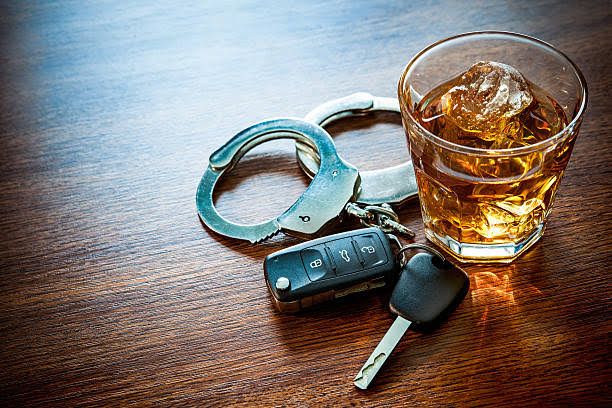
The January traffic reality on Johannesburg’s roads has been anything but quiet.
As many residents eased back into work mode after the festive season, the Johannesburg Metropolitan Police Department quietly ramped up its presence across the city. The result was 225 motorists arrested for drunk driving in just one week, between 19 and 25 January.
That works out to roughly 32 arrests a day, a figure JMPD has described as one of its highest weekly tallies since early December.
High-visibility roadblocks send a clear message
The arrests followed a series of high-visibility roadblocks and joint operations across Johannesburg. These were not isolated stops but coordinated efforts involving multiple enforcement teams, aimed squarely at motorists who chose to drink and drive.
JMPD Chief Commissioner Patrick Jaca did not mince his words when the figures were released. He described the numbers as deeply troubling and said they reflected a worrying disregard for the law.
The message from JMPD was blunt and public. If you drink and drive in Johannesburg, you will be arrested.
Why the numbers matter in a Joburg context
For many Johannesburgers, late nights out, long commutes, and a strong car culture often collide. January adds its own pressures, with post-holiday fatigue, financial stress, and packed roads as schools and offices reopen.
Against that backdrop, JMPD spokesperson Superintendent Xolani Fihla said the arrests were about more than statistics. He stressed that removing intoxicated drivers from the road helped prevent tragedies and protect lives.
On social media, reactions have been mixed but vocal. Some residents praised the clampdown and called for even tougher enforcement. Others questioned why similar visibility is not maintained throughout the year. What most agreed on, however, was that drunk driving remains one of the city’s most persistent and dangerous habits.
What counts as drunk driving in South Africa
South Africa’s legal alcohol limits are strict and often misunderstood.
For ordinary drivers, the legal blood alcohol concentration limit is 0.05 grams per 100 millilitres of blood. For professional drivers, including those transporting passengers or goods, it drops to 0.02 grams.
Breath alcohol limits are also clearly defined. Civilian drivers may not exceed 0.24 milligrams per 1000 millilitres of breath, while professional drivers are limited to 0.1.
Refusing to provide a blood or breath sample is itself an arrestable offence. More serious charges can apply if intoxication is combined with speeding, accidents, or injuries.
What happens after an arrest
Many motorists assume a drunk driving arrest means a fine and a quick release. In reality, that is often not the case.
In most instances, arrested drivers are not released immediately. A bail process usually follows, particularly where alcohol levels are high, there has been an accident, injuries were involved, or the driver refused testing.
These bail decisions can be time sensitive and may determine whether someone spends the night in custody or is released the same day.
The penalties can follow you for years
Conviction for drunk driving carries long-term consequences under the National Road Traffic Act.
Courts are required to consider suspending a driver’s licence, with minimum periods set at six months for a first offence, five years for a second, and ten years for a third.
Judges weigh several factors, including public safety, driving history, community impact, and whether suspension is proportionate to the offence. Penalties often include fines, possible imprisonment that may be suspended, a criminal record, and a formal decision on licence suspension.
A warning that is unlikely to fade
JMPD has made it clear that these operations will continue for as long as necessary to maintain the rule of law.
For Johannesburg motorists, the takeaway is simple. Planning a night out now means planning a way home that does not involve getting behind the wheel after drinking. E-hailing services, designated drivers, or alternative transport are no longer just suggestions. They are the difference between getting home safely and facing arrest, court, and years of consequences.
Follow Joburg ETC on Facebook, Twitter, TikT
For more News in Johannesburg, visit joburgetc.com
Source: The Citizen
Featured Image: KAYA 959