News
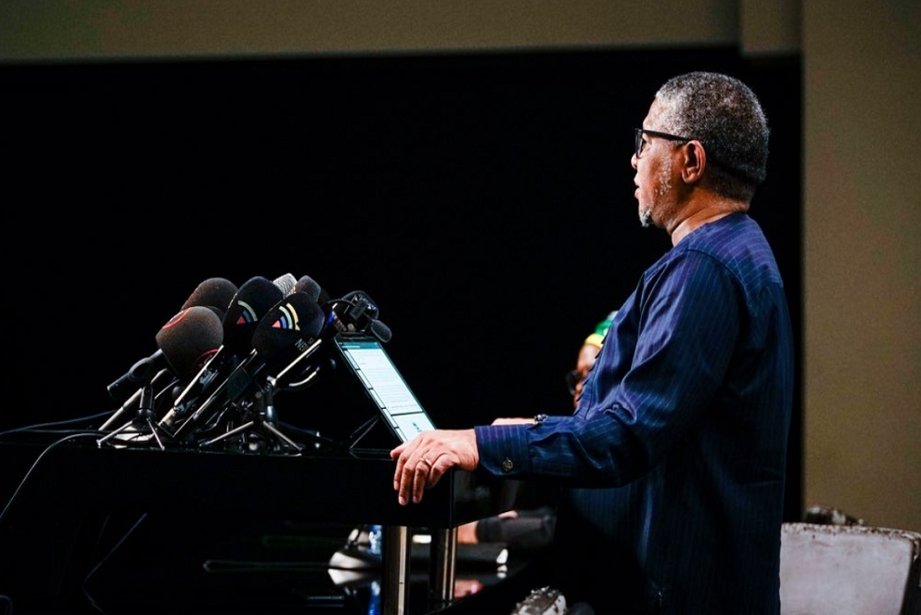
Johannesburg local government elections set for fierce multiparty showdown
Johannesburg local government elections set for fierce multiparty showdown
A city on the political edge
Johannesburg is gearing up for a tense local government election season, with the stakes higher than ever. Analysts predict a bruising contest among the major parties the ANC, DA, and ActionSA as they jockey for control of South Africa’s economic powerhouse.
The upcoming polls, expected in November 2026 or possibly January 2027, are already drawing intense scrutiny from political watchers, investors, and civic organisations. With the ANC’s support slipping nationally from 57% to 40% in the 2024 elections and the EFF dipping slightly, smaller and newer parties like Herman Mashaba’s ActionSA and the MK party have positioned themselves as serious contenders.
Fragmented coalitions shaping the battle
Johannesburg’s political landscape is notoriously fragmented. The metro council is currently home to at least 18 parties, creating an environment where coalition-building is as crucial as winning votes.
“The ANC and DA are no longer the monolithic forces they once were,” the Centre for Strategic Leadership (CSL) report notes. Both have experienced splintering, spawning parties with overlapping agendas. For the ANC, factions include EFF, Cope, Al Jama-ah, ATM, MKP, Abantu Batho Congress, and Mayibuye. The DA’s ideological splinters comprise ActionSA, Rise Mzansi, Build One South Africa, and the Good Party.
In practice, this fragmentation means no single party is likely to secure a majority, making coalition negotiations decisive in determining who governs Joburg. Currently, the DA-led coalition under Mayor Dada Morero has delivered modestly, but questions remain about its effectiveness and stability.
Service delivery and governance challenges
Voters will weigh political promises against a backdrop of persistent service delivery issues. Johannesburg has faced decades of infrastructure decay, crumbling public healthcare, irregular waste collection, and unstable municipal leadership.
CSL’s report highlights that Herman Mashaba’s 2016-2019 mayoral term was a rare example of effective “pro-poor” governance. Since then, from 2020 to 2026, the metro has seen what analysts describe as “reckless opportunism” by parties prioritising political maneuvering over strategic planning.
Despite these challenges, Johannesburg remains South Africa’s most economically developed city and a critical hub for investors. Yet, its rankings on the Global Financial Centres Index lag behind Cape Town, reflecting governance and service delivery gaps that could influence voter sentiment.
Frontrunners and the kingmaker dynamic
The contest in Johannesburg is likely to focus on ActionSA and the DA, with both vying to build coalitions capable of securing the mayorship. ANC supporters remain a significant force, but uncertainty over mayoral candidates and ongoing factional struggles have weakened their positioning.
Observers point to Helen Zille and Herman Mashaba as frontrunners with experience in managing South Africa’s largest cities a factor that could attract both investor confidence and public support. Smaller parties and independents, often kingmakers in this fragmented landscape, could swing outcomes in key wards.
What’s at stake
Beyond political bragging rights, the elections are a referendum on the city’s ability to manage basic services, maintain infrastructure, and attract economic investment. Analysts warn that ineffective governance could lead to both social and financial setbacks.
For residents, the elections are about more than politics. They are about reliable water and electricity, functioning healthcare facilities, safe roads, and effective waste management. With Johannesburg at a crossroads, the outcome of the 2026 local government elections will shape the metro for years to come.
Social and civic reaction
Public debate is heating up. Local media and social platforms are abuzz with discussions about coalition possibilities, mayoral candidates, and which party can realistically address the city’s chronic problems. Many residents express frustration at repeated governance failures, while others see the elections as an opportunity for a fresh start.
One local political commentator wrote on X (formerly Twitter): “Johannesburg’s voters are savvy they know past mayors’ track records. Whoever builds a credible coalition and shows commitment to real service delivery will win hearts and votes.”
The 2026 local government elections in Johannesburg promise to be a high-stakes, unpredictable showdown, reflecting the city’s complex political fabric, fractured party loyalties, and residents’ urgent demand for competent governance.
{Source: The Citizen}
Follow Joburg ETC on Facebook, Twitter , TikTok and Instagram
For more News in Johannesburg, visit joburgetc.com