The day Joburg’s speed cameras went awol and no one will say why
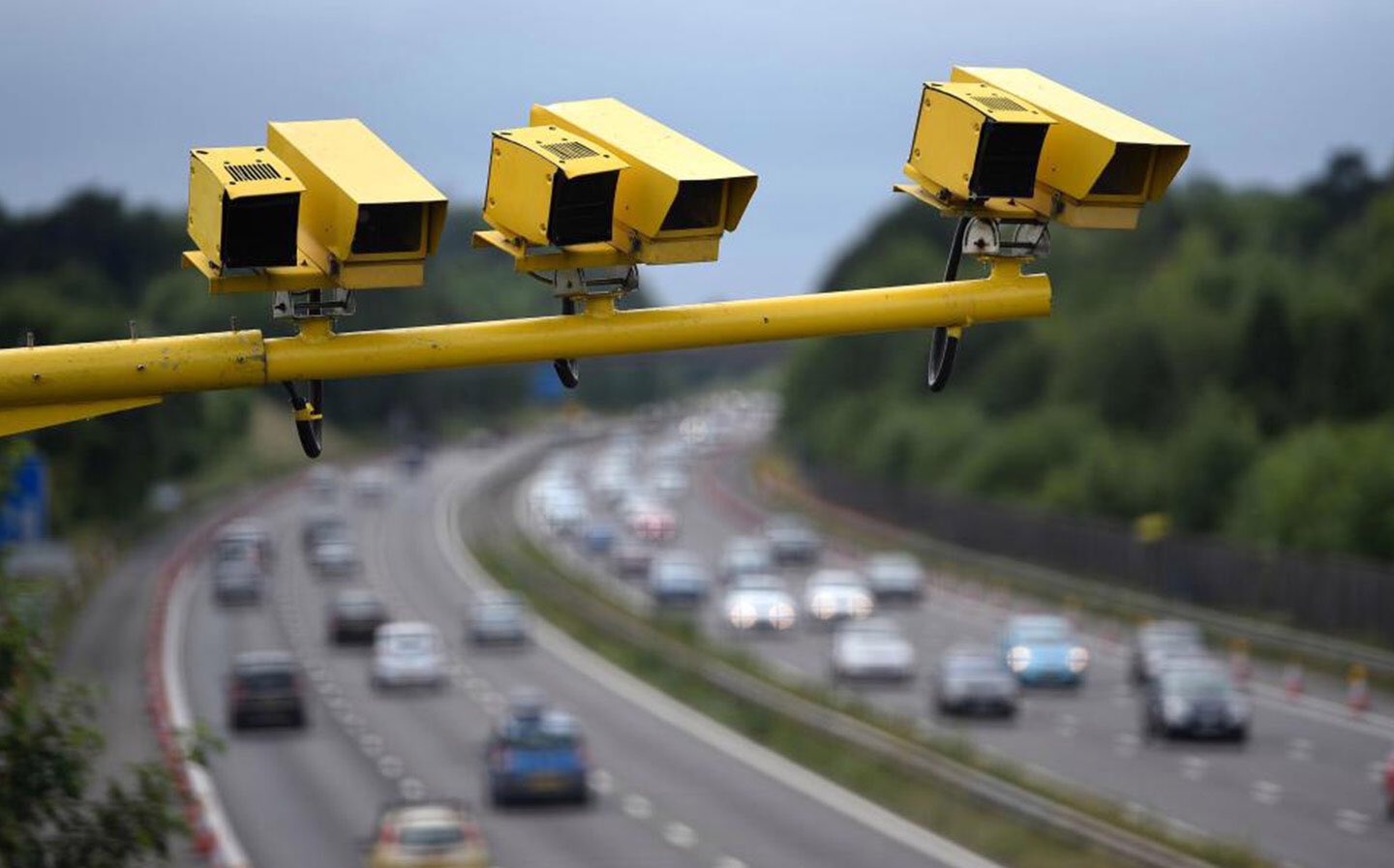
If you’ve felt like Joburg’s roads have turned into a free-for-all since Christmas, you’re not imagining it. Two days before the festive season officially kicked off, every single speed camera in Johannesburg quietly disappeared and more than a month later, they’re still nowhere to be seen.
Since 23 December, the Joburg Metro Police Department (JMPD) has been unable to enforce speed limits using cameras, leaving a glaring gap in traffic law enforcement across the city. For motorists, it’s meant fewer fines. For the city, it’s meant a serious hit to revenue. And for everyone else sharing the road, it’s raised uncomfortable questions about safety and accountability.
What actually happened?
According to multiple sources with direct knowledge of the situation, the City of Johannesburg’s contract with Syntell the company that supplied speed cameras and the systems used to process fines, expired just before Christmas. No replacement service provider had been appointed.
When the contract ended, Syntell removed its equipment. The JMPD, crucially, does not own any speed cameras of its own. Overnight, enforcement via cameras came to a complete halt.
Despite repeated questions, JMPD spokesperson Superintendent Xolani Fihla has not provided answers beyond acknowledging receipt of queries. Official silence has only added to public frustration.
From high-tech to handwritten
The fallout has been immediate. Sources say Syntell also handled the uploading of other traffic and by-law infringement fines. Without that system, JMPD has reportedly reverted to hand-written fines, which department heads now capture manually.
Historically, these paper-based fines make up only a tiny fraction of enforcement. The numbers tell the story. In the last financial year, the JMPD issued around 3.4 million traffic fines. Of those, roughly 3.1 million came from speed cameras alone. In January last year, cameras generated more than 277,000 fines in a single month.
In short: camera enforcement wasn’t a side operation, it was the backbone.
The money Joburg isn’t collecting
Traffic fines are a meaningful income stream for the metro. In the 2023/24 financial year, Johannesburg generated close to R47 million from traffic fines. The city had even budgeted for a further increase this year.
How much of that comes specifically from camera fines isn’t disclosed, but given the volumes involved, the current shutdown almost certainly represents a major financial loss, at a time when the city is already under pressure to balance its books.
Political fallout and sharp criticism
Opposition parties have wasted no time weighing in. DA public safety shadow MMC Solomon Maila labelled the situation “blatant incompetence”, arguing that the lapse should never have happened.
He placed responsibility squarely on the MMC for public safety, EFF councillor Dr Mgcini Tshwaku, saying the procurement process for a replacement should have started long before the contract expired.
On social media, Joburg residents have been less diplomatic. Posts celebrating the absence of fines sit alongside angry complaints about reckless driving, drag racing, and speeding on major routes especially at night.
A bigger warning for Aarto
Beyond Johannesburg, the situation has national implications. Cornelia van Niekerk, who runs traffic fine administration firm Fines4U, says the chaos doesn’t inspire confidence in South Africa’s long-delayed Aarto system.
Aarto already applies in Johannesburg and Tshwane, but plans to expand it to dozens of other municipalities have been repeatedly postponed due to lack of readiness. Van Niekerk argues that inconsistent enforcement has trained motorists not to take traffic laws seriously.
Interestingly, she along with driving.co.za managing director Rob Handfield-Jones, questions whether speed cameras actually improve road safety at all. Both argue that visible policing, not automated enforcement, is what really changes driver behaviour.
Where to from here?
For now, Johannesburg remains a city without speed cameras and without answers. Until a new service provider is appointed, or the JMPD invests in its own equipment, enforcement will remain patchy and largely symbolic.
What started as a quiet contract lapse has become a loud example of how administrative failures ripple out onto the streets. And in a city already battling congestion, crashes and lawlessness on its roads, the silence from authorities may be the most alarming part of all.