News
National Disaster Call Grows As Activists Push Ramaphosa To Act On Johannesburg Water Crisis
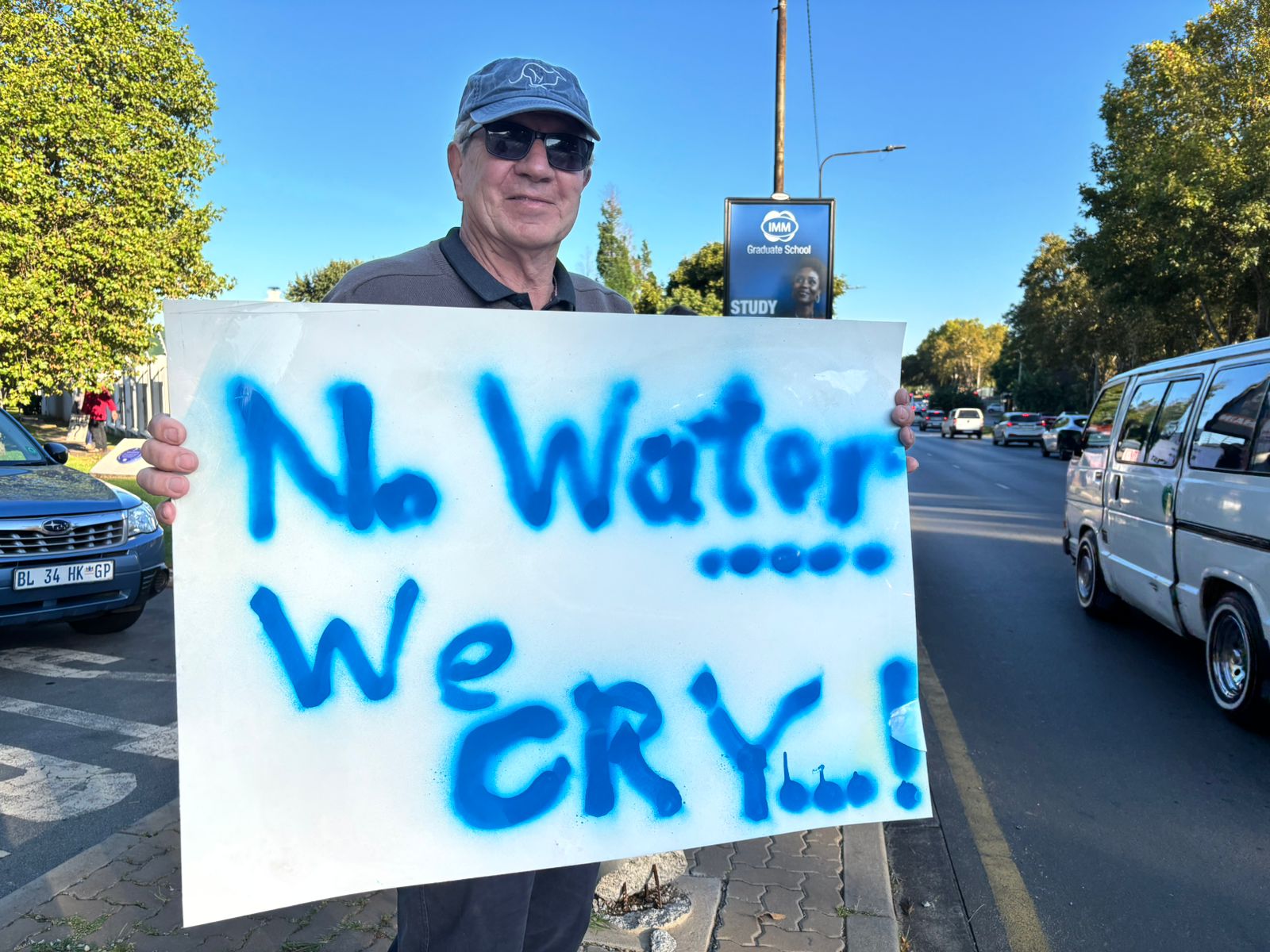
Johannesburg residents have grown used to dry taps, water tankers and endless explanations. But this week, civil society groups decided enough is enough.
A coalition of activists, faith groups, legal organisations and trade unions has formally urged President Cyril Ramaphosa to declare the city’s water crisis a national disaster.
At the centre of the call is the People’s Water Forum, a community-led alliance that argues Johannesburg’s water system has reached a point of systemic collapse.
Civil Society Unites Behind A National Disaster Call
The letter sent to the president has been endorsed by nearly 160 community organisations and more than 3,200 individuals. Among those backing the appeal are WaterCAN, the Ahmed Kathrada Foundation, the Legal Resources Centre, the Organisation Undoing Tax Abuse, the SA Council of Churches in Gauteng, and the SA Federation of Trade Unions, among others.
Their argument is simple. A national disaster declaration would unlock emergency funding and allow for coordinated intervention at scale. According to the forum, too many entities are currently operating in silos, with no single, technically competent team empowered to stabilise the situation.
They want the president to appoint an independent intervention team with clear powers and strict timelines. At the same time, they are proposing a commission of inquiry to investigate what they describe as the systemic breakdown of water and sanitation provision in the City of Johannesburg.
Crucially, they insist that any inquiry must run parallel to repairs and maintenance, not replace them.
“Water Is A Constitutional Right”
In their letter, the forum warns that continued failure to secure reliable access to water erodes public trust and undermines economic recovery.
Water, they remind government, is not a luxury. It is a constitutional right.
Dr Ferrial Adam, chairperson of the People’s Water Forum, said declaring a national disaster would send a powerful signal beyond Johannesburg. Smaller municipalities struggling with water quality and ageing infrastructure would recognise that civil society’s warnings are rooted in public health concerns, not political point-scoring.
She pointed to worrying realities. In some parts of the country, water tests reveal bacteria in drinking supplies. In others, girls miss school because nearly a quarter of schools lack proper running water or sanitation.
For Adam, the issue is not confrontation. It is collaboration.
She says municipalities often respond defensively, dismissing civil society’s findings and questioning their credibility. That resistance, she argues, blocks transparency around tenders and infrastructure projects that desperately need scrutiny.
The Politics Of Thirst
The water crisis has become a daily conversation in Johannesburg. From suburbs in the north to townships in the south, residents trade updates on WhatsApp groups about which reservoirs are offline and when tankers might arrive.
On social media, frustration has boiled over. Many residents are questioning how Africa’s economic powerhouse has reached this point. Others argue that mismanagement, ageing infrastructure and a lack of accountability have been building for years.
The crisis also has political consequences.
The Democratic Alliance has announced it will approach the High Court to compel Johannesburg Water to repair and maintain its infrastructure. The party is gathering first-hand accounts from residents and businesses to demonstrate the real-world impact of persistent water failures.
This legal route adds another layer of pressure on city authorities, particularly as public patience continues to thin.
A City At A Crossroads
Johannesburg has faced infrastructure strain before, from load shedding to crumbling roads. But water cuts differently. It affects hospitals, schools, restaurants, factories and households in deeply personal ways.
Without reliable water, economic recovery stalls. Health risks rise. Confidence in government weakens.
The call to declare a national disaster is more than a symbolic move. It reflects a growing belief that incremental fixes are no longer enough.
Whether President Ramaphosa responds with emergency powers, a commission of inquiry, or another approach entirely, one thing is clear. The pressure is mounting, and Johannesburg’s taps cannot afford to run dry much longer.
{Source:IOL}
Follow Joburg ETC on Facebook, Twitter , TikTok and Instagram
For more News in Johannesburg, visit joburgetc.com