News
Steenhuisen dismisses Dion George clash while marking six years at the DA helm
Six years later, a different Democratic Alliance
With the Democratic Alliance preparing for a crucial elective conference in April, party leader John Steenhuisen is in a reflective mood. Speaking in Cape Town just months before delegates gather to decide the party’s future leadership, Steenhuisen painted a picture of a party that has not only survived turbulent years but reshaped its place in South African politics.
Back in 2019, when he stepped in as interim leader following Mmusi Maimane’s resignation, the DA was bruised and polling at around 16 percent. Critics were openly predicting decline. Six years on, Steenhuisen says those predictions aged badly. The DA now sits inside the national government and continues to show growth in local and provincial strongholds, a shift that has altered how voters and rivals see the party.
From opposition benches to government corridors
For Steenhuisen, the headline achievement is simple. The DA is no longer shouting from the sidelines. Being part of the national government in 2026 marks a psychological turning point for a party that spent decades defining itself purely as opposition.
He has framed this moment as the result of using the mandate given by DA voters to reposition the party where it could exert real influence. Polling trends, he argues, back up that strategy, with multiple credible surveys placing the DA as either the largest party or close to it nationally.
Among supporters, this narrative has found traction on social media, where backers have highlighted the contrast between the party’s fragile state in 2019 and its current bargaining power in coalition politics. Critics, however, continue to question whether growth has come at the cost of internal cohesion.
The Dion George fallout was minimised
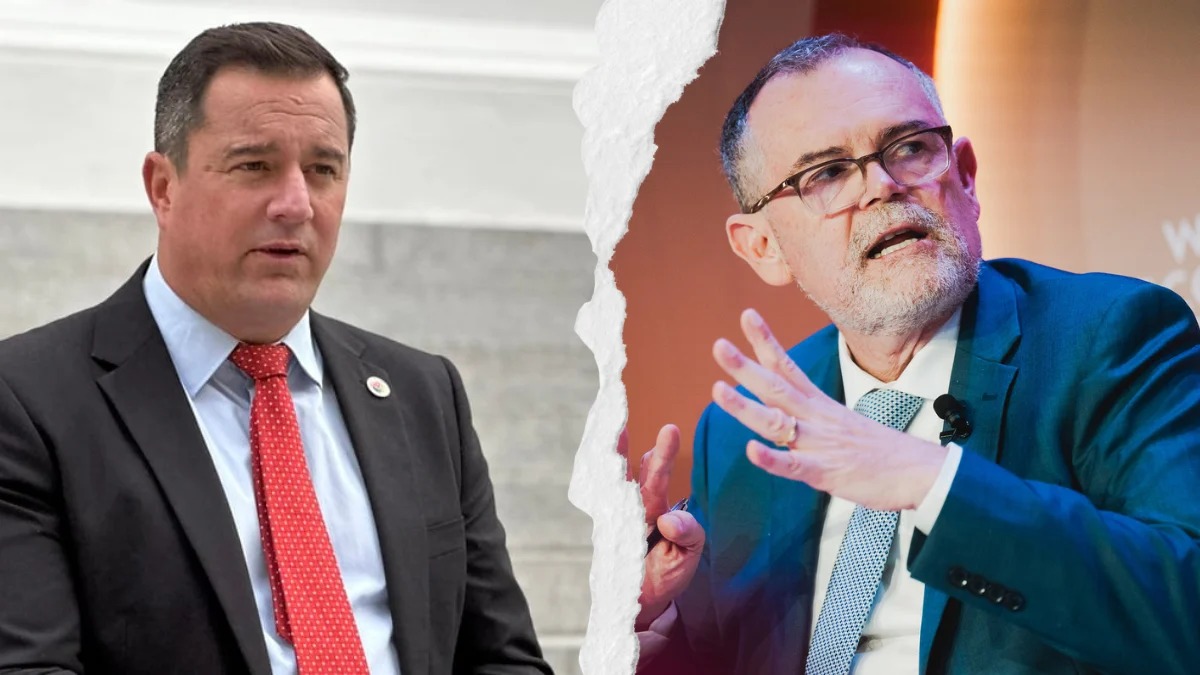
That tension surfaced again recently after former minister Dion George resigned from the party following a disagreement with Steenhuisen. While headlines labelled it a spat, Steenhuisen firmly rejects that characterisation.
In his telling, this was a routine leadership decision rather than a personal feud. He pointed out that senior figures across the DA, from mayors to premiers, have reshuffled executives before. According to party rules, he exercised the same authority.
Behind the scenes, the dispute reignited debate about how internal disagreements are handled. Steenhuisen has been clear that he prefers formal party processes over public confrontation, arguing that visible infighting erodes voter confidence.
Credit card claims and cleared names
The controversy also reopened old wounds linked to allegations of misuse of a party credit card. Steenhuisen reiterated that the Federal Legal Commission had thoroughly investigated the matter and found the claims to be fabricated. The commission’s decision to clear him last week became a flashpoint, directly preceding George’s exit.
Steenhuisen insists these issues should never have played out in public. In his view, voters watching party leaders argue amongst themselves are left wondering whether those leaders can focus on the country’s problems.
Eyes firmly on voter concerns
Despite the noise, Steenhuisen says his priorities remain unchanged. He continues to centre his message on unemployment, crime, corruption, and failing service delivery, issues that dominate everyday conversations across South Africa.
Whether he will stand for reelection at the upcoming conference remains unanswered. The nomination process only opens at the end of February, and for now, Steenhuisen is keeping his cards close.
What is clear is the story he plans to take to the conference. Six years after inheriting a party many thought was finished, he is positioning himself as the leader who steered it back into relevance and into government while refusing to be drawn into what he calls political psychodrama.
Follow Joburg ETC on Facebook, Twitter, TikT
For more News in Johannesburg, visit joburgetc.com
Source: IOL
Featured Image: Newsday