Two years later, Joshlin Smith’s name still echoes across Saldanha
On windy afternoons in Saldanha, when the fishing boats drift quietly in the harbour and children walk home from school in their uniforms, there’s a name that still lingers in conversation: Joshlin.
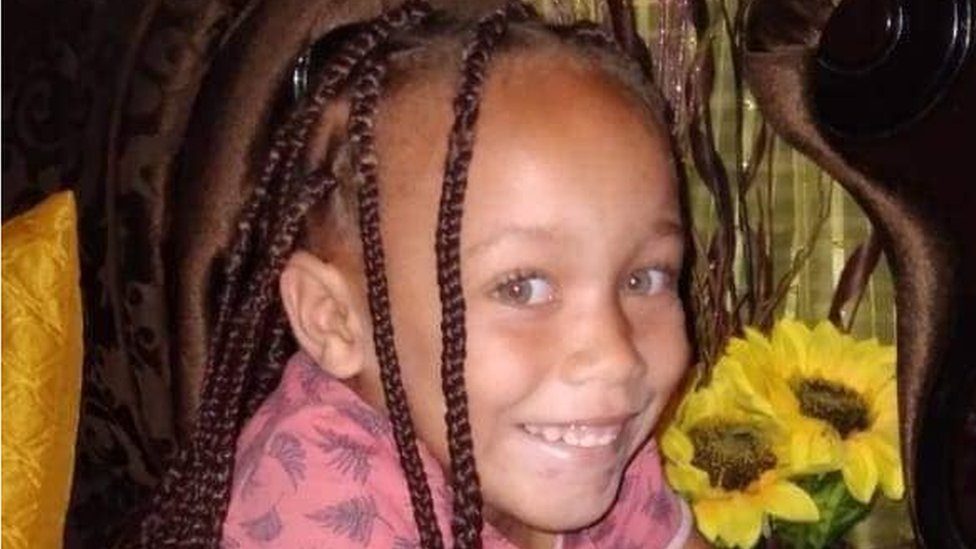
It has been two years since six-year-old Joshlin Smith vanished on 19 February 2024. Two years of court proceedings. Two years of heartbreak. Two years without answers.
Her mother, Kelly Smith, along with Jacquin Appollis and Steveno van Rhyn, are now serving life sentences for her disappearance. And yet, despite the convictions, the biggest question remains painfully unresolved: Where is Joshlin?
A conviction without closure
In most criminal cases, a life sentence signals the end of a chapter. In Joshlin’s case, it feels like a comma a pause in a story that refuses to finish.
Legal experts have been frank about the emotional gap between conviction and closure. Criminal law specialist Cornelia van Graan described it as one of those rare but devastating cases where even a guilty verdict does not bring peace.
Realistically, she said, the chances of recovering Joshlin after two years are slim. The possibility that South Africa may never fully know what happened to her is something many are struggling to accept.
“It is not over”
For criminologist Witness Maluleke, head of the Department of Criminology and Criminal Justice at the University of Limpopo, a case like this should never be shelved in spirit, even if it grows cold on paper.
He points to past breakthroughs in long-dormant investigations as proof that time does not always erase truth. His message is clear: investigators must not give up, and the public should continue sharing any detailed information that could help.
In communities like Saldanha, where everyone seems to know everyone, whispers travel fast. But turning whispers into evidence requires patience and discipline, something experts say is crucial in missing children cases.
A national wound
Ian Cameron, chair of Parliament’s portfolio committee on police, believes Joshlin’s case represents something far bigger than one tragedy.
He says it speaks for thousands of missing children across South Africa who are never found.
“Children are not safe,” he said bluntly.
Cameron has raised uncomfortable questions about whether the initial investigation had the urgency and focus it required. He warned that high-profile walkabouts and media spectacle in the early days of a case can sometimes do more harm than good, potentially contaminating evidence and complicating prosecutions later on.
It’s a criticism that has sparked debate online. Some social media users agree that investigations should be intelligence-led and prosecution-guided from day one. Others argue that public pressure is often what forces authorities to act swiftly.
The truth may lie somewhere in between.
“You will not be forgotten”
On the second anniversary of her disappearance, advocacy group Women For Change shared a public message that resonated widely.
Spokesperson Cameron Kasambala addressed Joshlin directly, reminding South Africans that she was just a Grade 1 pupil with dreams still forming.
Across Facebook, Instagram and X, her name resurfaced once again. Old photos were reposted. Yellow ribbons reappeared in profile pictures. The message was consistent: say her name.
Because saying her name means remembering that she mattered.
Beyond one child
Joshlin’s story unfolded against a broader backdrop of rising concern about child trafficking, violence and systemic gaps in protection services.
In coastal towns like Saldanha where unemployment runs high and social challenges simmer beneath postcard views children are often the most vulnerable. Community organisations have since intensified awareness campaigns, urging parents to remain vigilant and calling for stronger social support systems.
The tragedy has also reignited conversations about parental accountability and state oversight. Cameron’s harsh criticism of how someone capable of such harm could retain custody has added another layer to an already painful dialogue.
The silence that remains
Two years is a long time in a child’s life. It is the difference between Grade 1 and Grade 3. Between learning to read and writing full sentences. Between baby teeth and a growing smile.
Somewhere in Saldanha, there is an empty space where Joshlin should be.
The legal process has delivered punishment. What it has not delivered is certainty.
And so her name continues to echo, in prayer meetings, in parliamentary debates, in community halls, and across timelines.
Two years on, South Africa is still waiting.