News
Khamenei says Iran “defeated the US” after deadly protests amid tensions
Khamenei says Iran “defeated the US” after deadly protests amid tensions
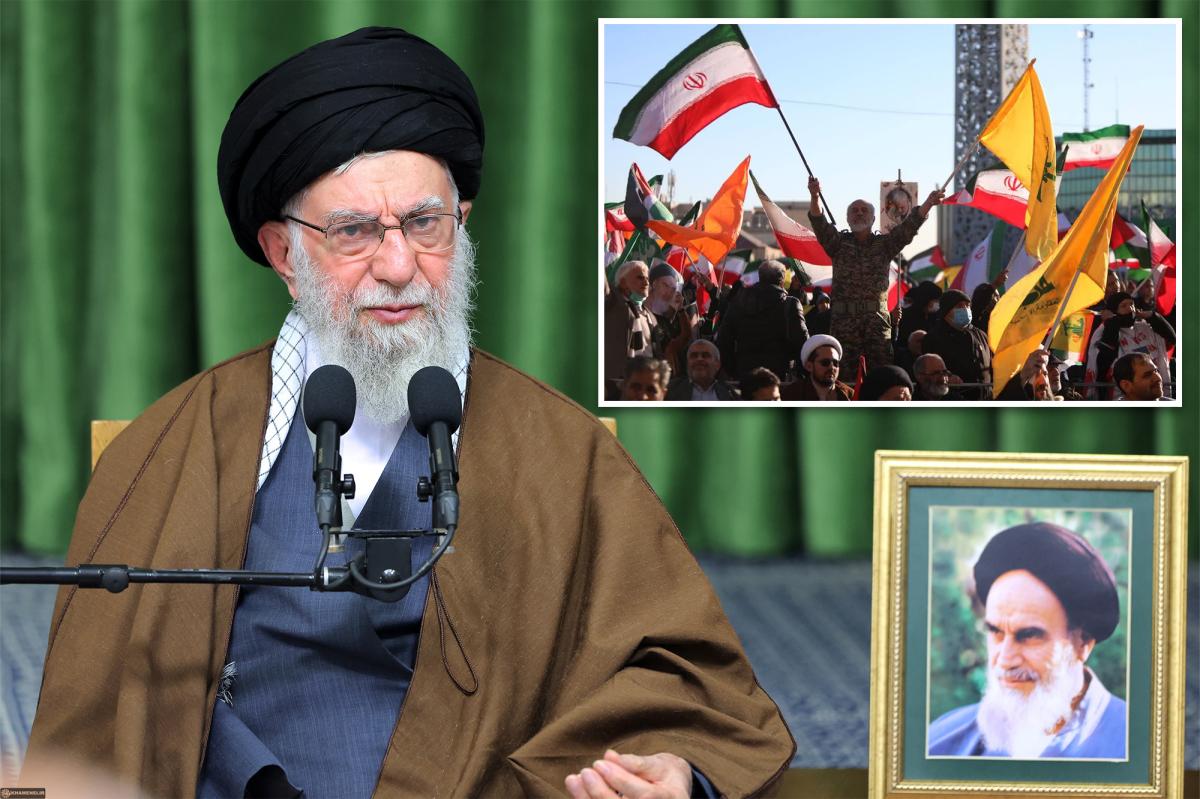
In unusually defiant terms, Iran’s Supreme Leader Ayatollah Ali Khamenei has declared that his country has “defeated the United States” after a wave of violent protests gripped cities across the Islamic Republic. In remarks shared on social media, Khamenei squarely blamed Washington and its close ally Israel for fuelling the unrest, a claim that reflects deep-rooted mistrust between Tehran and its geopolitical rivals.
A narrative of victory amid turmoil
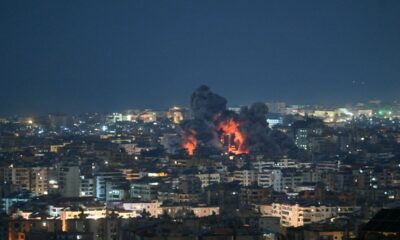
The protests, which erupted in late December and quickly spread from economic grievances into broad anti-government demonstrations, have been among the most serious challenges to Iran’s leadership in years. According to human rights groups, thousands of people may have been killed nationwide during the unrest, though exact figures vary widely.
Against this backdrop of loss and hardship, Khamenei’s message was one of defiance. “The US had made extensive preparations to orchestrate this sedition … The Iranian nation defeated the US,” he wrote, while accusing former US President Donald Trump of direct involvement in stoking dissent.
Blame and blame-shifting
Tehran’s official narrative holds that foreign powers were behind the turmoil, a stance echoed by other senior Iranian officials who have alleged that agents linked to the US and Israel were responsible for widespread violence and destruction. Khamenei has claimed that “agents” of these nations killed “several thousand people” and vandalised mosques and schools, though independent verification of these figures remains impossible due to restricted access inside Iran.
These comments form part of a broader pattern: since the protests began over economic hardship and the plunging value of the rial in late 2025, Iranian authorities have repeatedly blamed foreign interference, even as independent rights groups report thousands of deaths at the hands of security forces.
US involvement and stalled military action
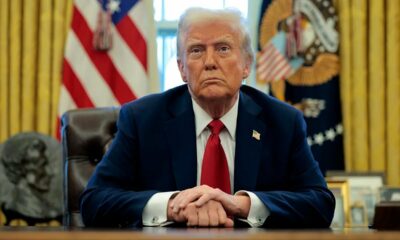
During the unrest, former President Trump publicly expressed support for protesters and hinted at possible intervention. There were reports the US was considering military action, with media outlets saying a strike was “imminent” before it was ultimately called off. Trump reportedly delayed action after Tehran backed down on executing some of the most violently charged detainees.
For many analysts, Khamenei’s claim that Iran “defeated the US” illustrates the regime’s attempt to frame internal crisis as a foreign plot, a longstanding strategy in Iranian politics aimed at consolidating support by appealing to nationalism.
Social media and global reactions
On social media, Iranians and observers outside the country have reacted with a mix of disbelief and criticism. Some argue that blaming external forces distracts from deep-rooted socio-economic issues that ignited the protests, while others see Tehran’s rhetoric as predictable given decades of tension with Washington.
Internationally, rights organisations and foreign governments have called for accountability and investigations into the violent crackdown that followed the protests, which reportedly resulted in thousands of arrests and injuries alongside the fatalities.
The long shadow of unrest
The protests marked one of the most serious waves of unrest in Iran in recent memory not just for the scale of the violence, but for its rapid spread and the way economic hardship and political frustration intertwined. As normal life returns to many cities, Tehran’s emphasis on external blame underscores how the leadership is attempting to shift the narrative from domestic failings to perceived foreign intervention.
Whether that message resonates at home, where families continue to mourn and demands for accountability linger, remains to be seen.
{Source: IOL}
Follow Joburg ETC on Facebook, Twitter , TikTok and Instagram
For more News in Johannesburg, visit joburgetc.com