News
Knysna’s Water Crisis Becomes International News as Town Races to Avoid Day Zero
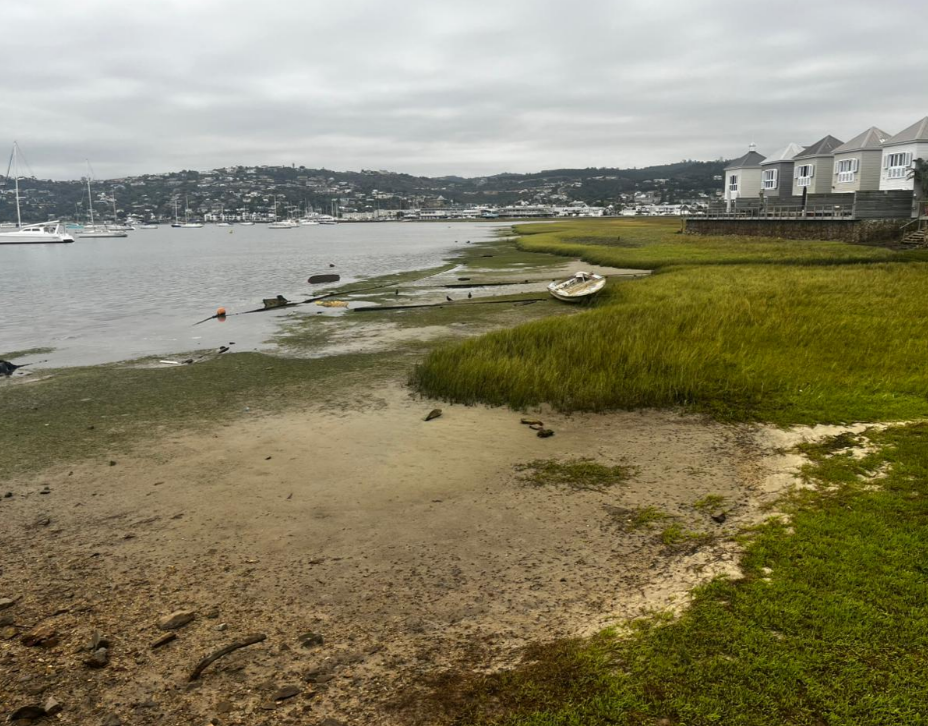
Knysna, one of South Africa’s most beloved Garden Route towns, is facing a worsening water crisis that has now drawn attention far beyond the country’s borders. The situation has become so severe that it recently made news in the UK, bringing global focus to a small coastal community known more for its calm lagoon and holiday atmosphere than for disaster headlines.
A Scenic Town On The Brink
With around 100 000 residents and a steady flow of tourists and retirees, Knysna has long been admired for its natural beauty and relaxed pace. But behind the postcard-perfect views lies a water system under serious strain.
Municipal officials estimate that as much as 55 percent of potable water is lost through leaking pipes, an infrastructure failure years in the making. On top of that, ongoing drought conditions have left the Akkerkloof Dam, Knysna’s main water source, critically low.
The municipality has already declared a local state of disaster. And although emergency interventions have delayed the arrival of a dreaded Day Zero, the possibility of taps running dry remains a real threat.
Residents Already Feeling The Pressure
For many, Day Zero is not a hypothetical scenario. A local retirement centre went ten days without running water in October after a municipal plant fault. Its owner, Franco de Grandis, has since spent about R250 000 on backup systems, including large water tanks and pressure pumps.
“When people are bedridden, without water we simply cannot function,” he explained, reflecting the growing fear among vulnerable households.
Humanitarian groups like Gift of the Givers have stepped in, trucking thousands of litres of water into the area every week from privately drilled boreholes. Volunteers describe immense relief among residents, but also a worrying sense of resignation. What should be an emergency is slowly being normalised.
Infrastructure Struggles Decades In The Making
Knysna’s mayor, Thando Matika, who has been in office for just under a year, openly acknowledges the depth of the crisis. He says years of underfunding and poor maintenance left the town’s water infrastructure dangerously fragile.
“Even boreholes drilled back in 2009 were no longer operational,” he said.
National government has now injected R23 million in emergency funding. The immediate plan includes repairing seven boreholes, restoring a desalination plant and drilling a new one. Long-term solutions such as water recycling and constructing a new dam are being explored, but these will take time and investment.
Strict Water Restrictions Now A Way Of Life
Knysna’s residents are under tight water-use rules introduced at the start of the year. These include lowered water pressure, a ban on watering gardens, filling pools or washing boats, and a daily usage limit of 50 litres per person. For comparison, the average person in the UK uses around 142 litres a day.
The municipality has also begun installing or repairing water meters to better monitor consumption.
Tourism Anxiety And Everyday Inequality
Tourism operators worry that talk of Day Zero could scare visitors away from a town that relies heavily on seasonal travel. But within the community, many argue the crisis highlights inequalities that have existed for years.
In Khayalethu township, residents describe water shortages as a longstanding challenge rather than a new emergency.
“You cannot live without water, but we are often without it for days,” said 60-year-old Khanyiswa Sewula, who still carries water from municipal tankers despite mobility issues.
A Warning Sign For South Africa
Water experts say Knysna’s situation is not unique. Ageing infrastructure, climate variability and rapid urban growth have put pressure on water systems across the country.
“For millions of South Africans, Day Zero already exists,” warned Dr Ferial Adam of Watercan. “Add failing infrastructure and climate change, and you get a perfect storm.”
Knysna’s unfolding disaster may have captured attention abroad, but for the people living it, the message is far more urgent: South Africa’s water security crisis is here, and it cannot be ignored.
{Source:The South African}
Follow Joburg ETC on Facebook, Twitter , TikTok and Instagram
For more News in Johannesburg, visit joburgetc.com