News
Little Lesego’s Last Moments: Kokosi Water Crisis Blamed After Toddler Dies in Shack Fire

A Community Watches a Fire They Couldn’t Fight
Kokosi residents are grieving a tragedy that many say could have been prevented, if only they had water.
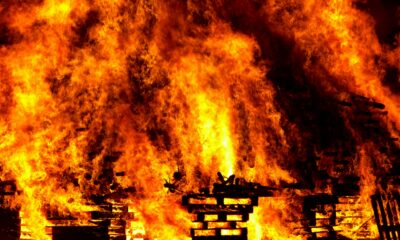
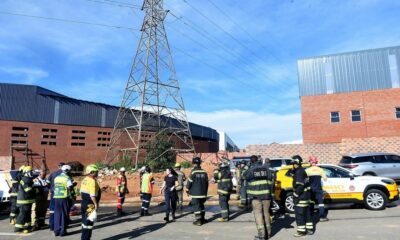
Two-year-old Lesego Boyzen burned to death inside a shack in Kokosi informal settlement, Fochville, after a fire broke out and residents watched, powerless, with no water to fight the flames. By the time firefighters arrived, the structure had already collapsed into ash.
People stood outside the blaze screaming, some fainting, others sobbing, all knowing that a toddler was trapped inside. Not one bucket could be filled. Not one hose could be opened.
The fire was unstoppable.
“We watched helplessly”, A Pain No Family Should Carry
Kate Nkana, a relative and family spokesperson, was among the first to reach the scene. Her voice reportedly broke as she recalled the moment they realised saving the child was impossible.
“We watched helplessly as two-year-old Lesego burnt to death,” she said. “If there was water, we could have saved her.”
Lesego’s body was only recovered hours later, shortly before midnight. Her family is preparing to bury her and to possibly take legal action.
It’s difficult to imagine anything more haunting than neighbours standing metres away from a burning child, knowing that water, the most basic resource, could have changed everything.
The Water Crisis: A Year of Dry Taps and Desperation
This isn’t a new issue. Kokosi residents say taps have been dry for almost a year, and in some areas, far longer. They’ve been collecting from tankers, boreholes, anywhere water trickles.
The cause? A massive municipal debt.
Merafong City owes Rand Water R1.4 billion, and R1.6 billion to Eskom. A town already struggling under unemployment and poverty now struggles without water the foundation of life, dignity and safety.
Elliot Mthembu from the Greater Fochville Water Crisis Committee didn’t sugarcoat it:
“If there had been water, we could have controlled the blaze and rescued the baby.”
Their committee statement went further, calling the death a direct result of government negligence.
“The blood of this innocent child is on their hands.”
Strong words, but they reflect a community reaching its breaking point.
Residents Demand Accountability
The tragedy has sparked outrage across Kokosi. On WhatsApp groups and Facebook community pages, locals ask the same painful question:
“How does a child die because we had no water?”
Many are demanding accountability, some calling for protests, others pleading for intervention from provincial structures.
The municipality, however, remains cautious in its response. Spokesperson Thabo Moloja said only an official investigation could determine the role water shortages played in the fire.
A technical stance, but in the eyes of desperate residents, a cold one.
Because in informal settlements, fires happen often. Buckets and community chains save lives. That chain was broken, not by fire, but by dry taps.
Beyond a Headline, A Human Warning
Lesego’s death is not just a tragedy. It’s a symbol of what happens when service delivery collapses beyond inconvenience and becomes fatal.
South Africa knows these stories too well:
-
Children drowning in pit latrines
-
Patients dying in hospitals without power
-
Communities burning because hydrants are dry
This time, the victim was a toddler who never reached grade R, a child who should have been running around, not buried.
If anything changes after this, it should start with water, reliable, consistent access, not tankers and empty promises.
Because no parent should plan a funeral because of a broken tap.
{Source: The Citizen}
Follow Joburg ETC on Facebook, Twitter , TikTok and Instagram
For more News in Johannesburg, visit joburgetc.com