News
When animals flee rising waters in Kruger National Park
When rivers rise, and boundaries disappear
After days of heavy rain, parts of the Kruger National Park have been transformed by floodwater. Rivers burst their banks, low-lying areas disappeared under fast-moving water, and suddenly the invisible boundaries between protected wilderness and human space felt very real.
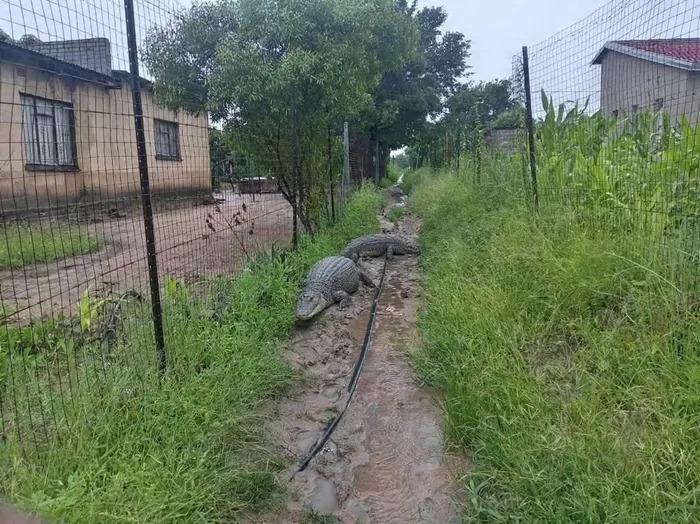
Across social media, videos began circulating that stopped South Africans mid-scroll. Crocodiles paddling through flooded areas. Antelopes clustered on small patches of dry ground. Wildlife is clearly moving far beyond where visitors would normally expect to see them.
For many watching from their phones, it was shocking. For others living near the park, it was frighteningly familiar.
What SANParks has confirmed so far
South African National Parks has acknowledged the flooding and its immediate impact. Earlier this week, several day visitors were temporarily unable to leave the park after a bridge at Crocodile Bridge Gate was submerged. Some guests were evacuated from low-lying camps as a precaution.
Kruger National Park spokesperson Reynold Thakhuli explained that the animals are naturally adaptable and able to move to higher ground, but human safety had to come first. Flooding of this scale changes how both animals and people move through the landscape.
Kruger, stretching across Limpopo and Mpumalanga, is not just a tourist destination. It is South Africa’s largest national park and a critical sanctuary for the Big Five and major predator populations, including lions, leopards, cheetahs, and wild dogs. When its ecosystems are disrupted, the ripple effects are felt far beyond the fences.
@sanparkskruger.na #KrugerFloods2026 #WildDogs #LiveYourWild ♬ original sound – SANParks-Kruger National Park
Viral videos and rising anxiety
The most widely shared clips have sparked intense debate. Some viewers questioned whether the images were real or artificially generated. Others expressed deep concern for both the animals and nearby communities.
On Facebook, reactions were split. One user worried about animals stranded on shrinking patches of land, asking whether rangers could intervene. Another dismissed a viral image as fake but warned that crocodiles moving into villages was entirely plausible during floods.
Those closest to the park were quick to push back against claims of exaggeration. Residents living near entrances like Numbi Gate described real sightings of crocodiles in neighbouring villages such as Matsulu, reinforcing that floodwater does not respect park borders.
Why floods change animal behaviour
During extreme weather, wild animals follow instinct. They move away from danger and towards higher, safer ground. In a park crisscrossed by rivers, that can mean roads, bridges, and, in rare cases, the edges of nearby settlements.
This does not mean animals are invading towns out of aggression. They are responding to sudden environmental stress. Conservation experts have long warned that climate-driven weather events are becoming more frequent and more intense, placing pressure on even well-managed reserves like Kruger.
@elleafricasafarisHyena pups are stranded outside as water floods their den due to heavy rains in Kruger National Park.♬ original sound – elleafricasafaris
A moment that exposes bigger questions
Beyond the viral shock factor, these floods highlight an uncomfortable reality. South Africa’s wildlife does not exist in isolation. National parks, rural communities, and urban areas are increasingly interconnected, especially during natural disasters.
The concern now is not only about whether the videos are real. It is about preparedness, communication, and how authorities protect both people and animals when nature overwhelms infrastructure.
As floodwaters slowly recede, Kruger will recover, as it always has. But the images shared this week will linger, reminding South Africans that when the environment shifts, the wild does not stay neatly contained.
Follow Joburg ETC on Facebook, Twitter, TikT
For more News in Johannesburg, visit joburgetc.com
Source: IOL
Featured Image: Mercury