News
Inside the KT Molefe Saga: Why the State Wants One Big Trial for Gauteng’s Most Explosive Cases
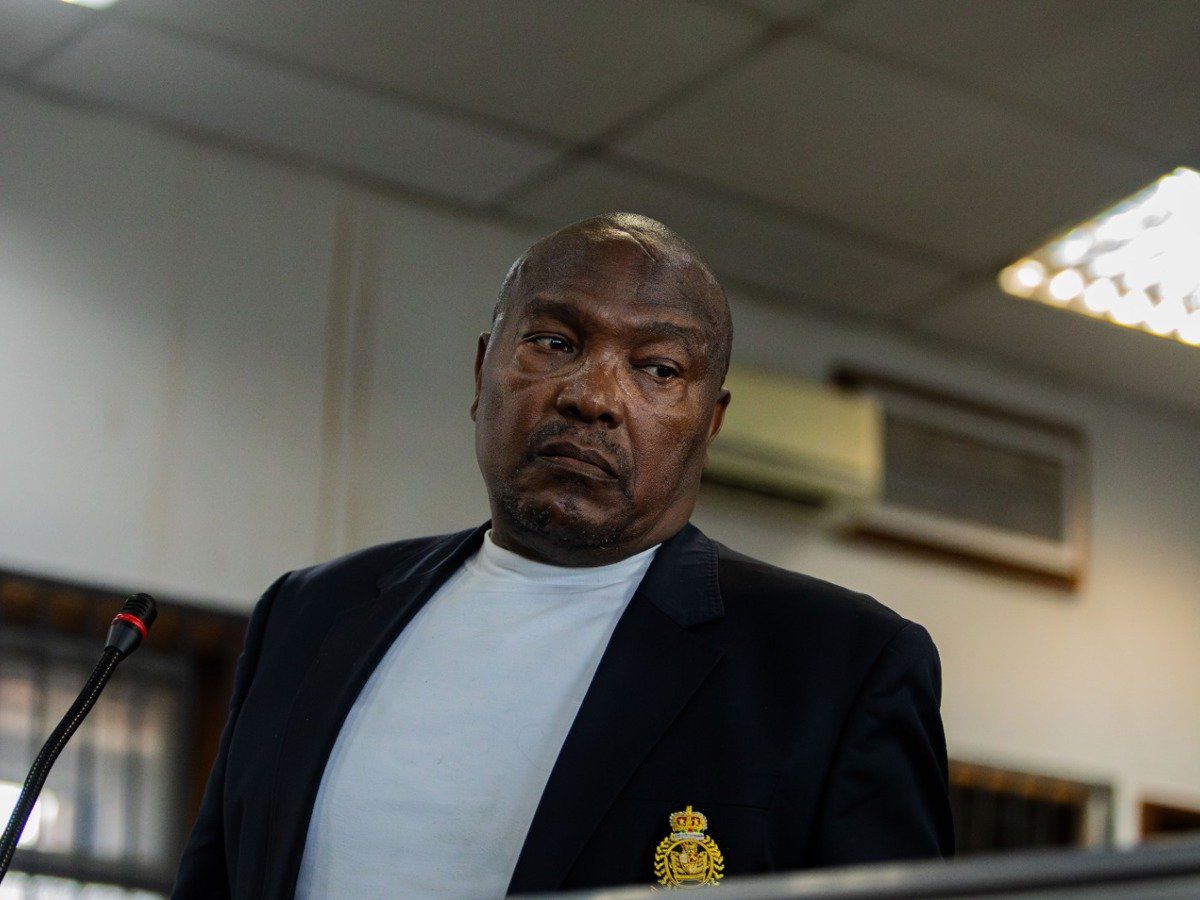
State Pushes to Merge KT Molefe’s High-Profile Cases, A Turning Point for Victims and Gauteng Crime Investigations
For months, whispers about a sprawling underworld network operating across Gauteng have lingered on the edges of public conversation in taxi queues, at shisa nyama tables, and on social media threads where theories spread faster than facts. Today, some of those storylines finally converge in a courtroom.
Katiso “KT” Molefe, a 61-year-old alleged crime boss long associated with the so-called Big Five cartel, is expected to appear in the Alexandra Magistrate’s Court alongside co-accused Michael Pule Tau, Tiego Floryd Mabusela and Musa Kekana. But this isn’t just another routine court date. The stakes are higher than usual for prosecutors, victims’ families, and possibly for Gauteng’s broader fight against organised crime.
Why This Court Appearance Matters
The State is pushing for something rare but powerful: the centralisation of several serious criminal cases tied to Molefe and his co-accused. Among the cases is the 2022 murder of beloved music producer Oupa John “DJ Sumbody” Sefoka, a killing that shook South Africa’s entertainment industry and has hovered unsolved in the public imagination.
But DJ Sumbody’s case is just one piece of a much broader puzzle.
Investigators say these dockets link a tangle of murders, attempted hits, conspiracies, and illegal arms possession that crisscross Gauteng. The State believes these cases form one interconnected story, not scattered incidents. The consolidation request aims to bring all those threads together in a single, coherent prosecution.
If the application succeeds, the matter will likely shift to the Johannesburg High Court, where the scale and complexity of the cases can be better handled.
A Long Trail of Violence and Evidence
Molefe’s July 2025 arrest by the SAPS Political Killings Task Team marked the first major breakthrough in a series of investigations that insiders say have stretched investigators thin. Prosecutors argue they now have a clearer picture:
-
Ballistic evidence allegedly links weapons seized during various raids to multiple murders and attempted murders.
-
Several incidents share overlapping suspects, vehicles, firearms, or planning patterns.
-
A larger alleged organised-crime structure, referred to by investigators as the Big Five cartel forms the backbone of the network.
To the State, it no longer makes sense to try these cases separately. Doing so would force duplicated evidence, repeated witnesses, and drawn-out timelines, problems that have stalled progress for years.
Molefe’s Bail and Strict Conditions
Despite the seriousness of the charges, Molefe is out on R400,000 bail, granted by the High Court in October 2025 after a lower court denied him release. His bail conditions are tight: he must report to police several times a week, remain within Gauteng unless cleared otherwise, and hand over his passport.
Public reaction at the time was sharply divided. Some felt bail undermined the gravity of the accusations; others argued the law had to run its course. On social media, the conversation returned again this week as news of the consolidation bid spread, with users demanding urgency and transparency.
Why Victim Families Are Watching Closely
For some of the families caught up in this web of violence, hope has been thin. Many have waited since 2022 or even earlier for a sign that justice is finally moving.
DJ Sumbody’s killing, in particular, left fans and the music community reeling. His death marked a dark turning point in the nightlife scene, raising questions about extortion, security, and the blurred lines between entertainment and criminal networks.
For these families, today’s court appearance represents something deeper than procedure. It signals a possible shift from stagnation to action.
Could Centralisation Be the Breakthrough the Cases Need?
Legal experts say consolidation is not just a bureaucratic tactic, it can be a powerful tool in complex organised crime prosecutions. It allows prosecutors to:
-
Present overlapping evidence once
-
Protect vulnerable witnesses from multiple court appearances
-
Prevent contradictory rulings
-
Fast-track lengthy timelines
In a case as intricate as this one, centralisation might be the only way to ensure a coherent narrative and a fair outcome.
But it also raises the pressure: if unified, this becomes one of the most significant organised crime trials in recent Gauteng history.
Where This Leaves the Public
For ordinary South Africans, cases like Molefe’s often feel far removed from daily life, until they aren’t. When a beloved DJ is killed, when communities whisper about syndicates, when gun violence flares in areas like Alexandra and Mamelodi, the story suddenly becomes personal.
Today’s hearing won’t resolve everything, but it could chart the direction for what comes next.
A decision on centralisation could send a message: that the era of isolated, slow-moving dockets in major organised crime investigations is ending and that the justice system is ready to confront the bigger picture.
{Source: IOL}
Follow Joburg ETC on Facebook, Twitter , TikTok and Instagram
For more News in Johannesburg, visit joburgetc.com