News
Kursk counts the dead as Russia reports 524 bodies after border incursion
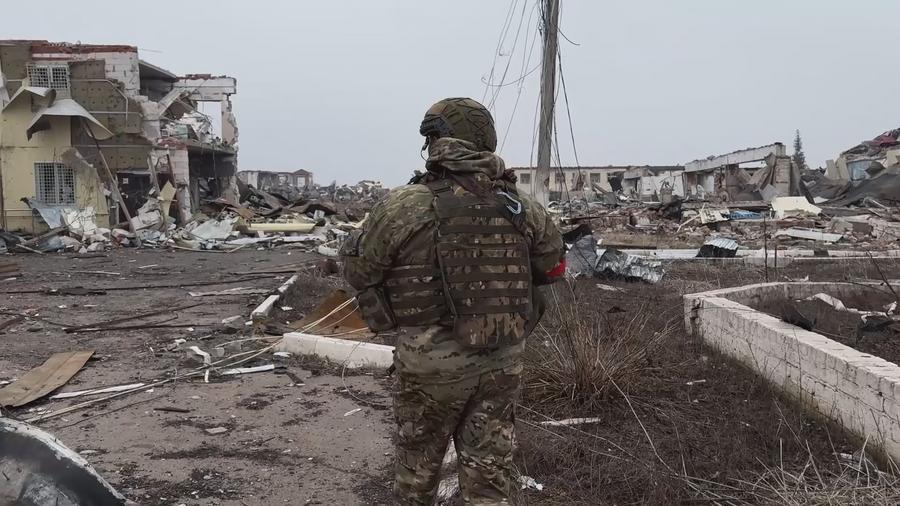
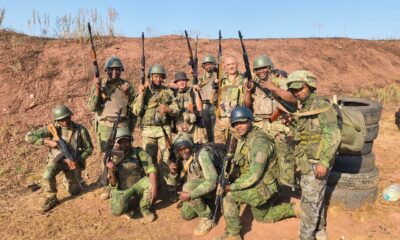
Long after the gunfire faded along Russia’s western frontier, Kursk is still uncovering the cost of war beneath its soil.
Russian authorities say 524 bodies have been recovered from mass burial sites across the Kursk region following last year’s Ukrainian incursion. The figure was confirmed this week by Russia’s human rights commissioner, who described an exhaustive effort to trace civilians swept up in months of fighting near the border.
For residents of the region, the announcement reopened wounds that never fully healed. Kursk, usually known for its farmland and quiet towns, became an unlikely frontline when Ukrainian forces crossed the border in August 2024.
A shock offensive on Russian soil
The Ukrainian push into Kursk marked one of the most dramatic moments of the conflict. Kyiv presented the operation as a pressure tactic aimed at strengthening its negotiating position with Moscow. In the early days, Ukrainian units made limited advances, catching both locals and analysts off guard.
That momentum did not last. Russian forces gradually regained territory, and by April 2025, Moscow declared the region fully back under its control. What remained was a trail of damaged villages, displaced families, and unanswered questions about those who never returned.
Searching for the missing
According to Russian officials, more than 2,100 people were reported missing during the incursion. Of these, 1,378 were eventually located alive, while 343 were confirmed dead. As of this month, 452 people are still unaccounted for.
The discovery of mass graves since August 2024 has become part of that grim accounting. Authorities have not specified whether the bodies were civilians or combatants, nor their nationalities. Investigators say identification is ongoing, a process complicated by the scale of destruction and the time that has passed.
Allegations and accusations
Moscow has repeatedly accused Ukrainian forces of war crimes during their presence in Kursk. Claims include indiscriminate shelling, violence against civilians, and abuse of prisoners of war. Ukraine has denied targeting civilians, as both sides continue to trade accusations that are difficult to independently verify.
Russia has also alleged that 12 residents from Kursk remain in Ukrainian custody in violation of the Geneva Conventions, calling for their unconditional return. Some civilians from the region were previously sent back to Russia during prisoner exchanges.
A war that still reaches the border
Despite the region’s recapture last year, Russian officials say Kursk and other border areas continue to come under fire. In January 2026 alone, authorities report ten deaths and more than 50 civilian injuries from shelling, including three children.
On Russian social media, reactions to the mass grave announcement have ranged from anger to exhaustion. Many users have focused less on politics and more on the human toll, posting names of missing relatives and calling for clearer answers about who the dead were and how they died.
Beyond the numbers
Earlier this month, Russia’s investigative authorities said 445 civilians were killed and 553 wounded during the period of Ukrainian control. Whether those figures overlap with the newly reported graves remains unclear.
What is clear is that Kursk’s story did not end when the last soldiers withdrew. As investigators continue their work, the region stands as a reminder that in this war, the aftermath can be as harrowing as the fighting itself.
Follow Joburg ETC on Facebook, Twitter, TikT
For more News in Johannesburg, visit joburgetc.com
Source: IOL
Featured Image: Xinhua