News
KwaZulu-Natal adds 20 new wards ahead of the 2026 local elections
KwaZulu-Natal gains 20 new wards as election map shifts ahead of 2026
KwaZulu-Natal’s political map is quietly but significantly changing. As communities prepare for the next local government elections, the province will be heading into 2026 with nearly 20 additional municipal wards. It is a technical adjustment on paper, but one with real consequences for how residents are represented at the council level.
The changes come from the Municipal Demarcation Board, which has completed its latest ward delimitation cycle ahead of the 2026 to 2027 local government elections. The revised ward boundaries were officially handed over to the Electoral Commission of South Africa on 10 December, marking the point where election preparations move firmly into gear.
Why KwaZulu-Natal is growing its wards
Ward delimitation happens every five years and is meant to keep local representation aligned with population realities. In KwaZulu-Natal, those realities have been shifting steadily.
The number of registered voters has grown, and movement between towns, metros, and rural areas has changed how communities are distributed. These population dynamics have pushed the province from 870 wards in 2016 to 901 in 2021. By 2026, that figure will rise to 921.
Nationally, South Africa will see only a modest increase in wards compared to the last election cycle. What makes this round notable is that the bulk of the new wards are concentrated in KwaZulu-Natal. Local government specialists estimate that this could translate into around 40 additional councillors in the province, split evenly between ward councillors and proportional representation councillors.
A challenging process now closed
The Board has been clear that the delimitation process was not without tension. Some public meetings were disrupted, reflecting how emotionally charged boundary changes can be, especially in areas where service delivery and political competition are already sensitive issues.
Despite these challenges, the process has now been formally concluded and cannot be reopened. Most municipalities across the country are finalised. In KwaZulu-Natal, outstanding work remains in the Inkosi Langalibalele Local Municipality, the Alfred Duma Local Municipality, and the eThekwini Metropolitan Municipality, with further progress linked to the resolution of two court matters affecting certain areas. Once these legal processes are settled, the remaining ward allocations will be completed.
What this means for communities on the ground
For residents, the immediate impact may feel subtle. Ward boundary changes can alter which councillor represents you, where you vote, and how local issues are prioritised at the council level. In fast-growing or densely populated areas, smaller wards can also mean more direct access to elected representatives.
Community members are being encouraged to familiarise themselves with their new ward boundaries well ahead of the election window, which must take place between 2 November 2026 and 31 January 2027. Understanding these changes early helps avoid confusion closer to voting day, especially around voting stations and ward-based campaigns.
Political significance as election planning begins
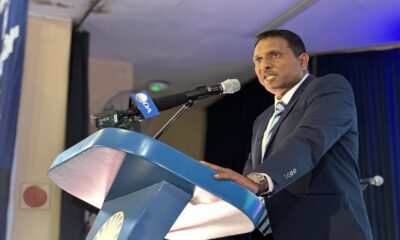
The completion of the delimitation cycle also signals the official start of election preparations. Cooperative Governance and Traditional Affairs Minister Velenkosini Hlabisa has praised the process as a key constitutional milestone that allows the IEC to move forward with logistical and operational planning.
In a province as politically contested as KwaZulu-Natal, even small boundary shifts can influence local dynamics. While the increase in wards is described as marginal on a national scale, its concentration in KZN makes it an important development to watch as parties, councillors, and communities begin positioning themselves for 2026.
Follow Joburg ETC on Facebook, Twitter, TikT
For more News in Johannesburg, visit joburgetc.com
Source: IOL
Featured Image: SAPeople