News
KZN’s Foot-and-Mouth crisis sparks province-wide mass vaccination drive
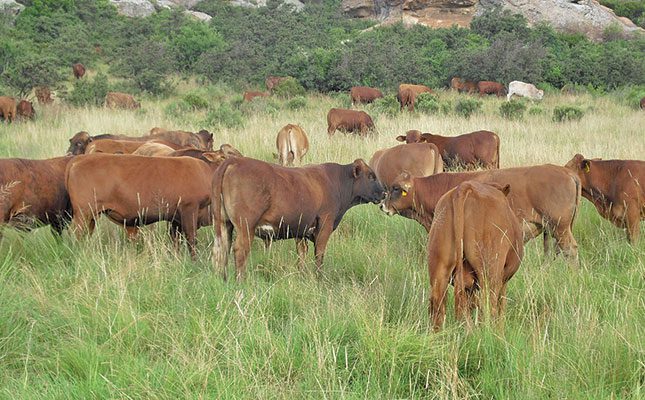
Across KwaZulu-Natal this week, government officials were not sitting behind desks. They were out on farms, in rural communities, and across district municipalities, delivering a clear message to livestock owners: prepare for vaccination.
The province has officially begun its awareness campaign ahead of a large-scale Foot-and-Mouth Disease vaccination rollout scheduled for later this month. Premier Thamsanqa Ntuli, alongside members of his executive council, fanned out across districts to engage directly with farming communities and implement urgent containment measures. One of the immediate steps includes tightening restrictions on livestock movement in an effort to slow the spread.
For many rural households, cattle are not just assets. They represent wealth, heritage, and survival. So when disease threatens herds, it strikes at the heart of both culture and commerce.
Why KZN is on high alert
KwaZulu-Natal is currently the province hardest hit by the outbreak. The impact has stretched far beyond farm gates. Agriculture and Rural Development Minister Thembeni Madlopha-Mthethwa has described the situation as economically paralysing, particularly for the export market.
Although infected cattle remain safe for human consumption, the international consequences are severe. Several foreign markets have halted beef imports from South Africa due to the outbreak. For a country that relies heavily on agricultural exports, that loss carries weight.
Food security concerns have also entered the public conversation. While local supply remains stable, uncertainty has unsettled both commercial and small-scale farmers. On social media, farmers have voiced frustration over restrictions but also relief that the government is accelerating intervention.
The vaccination plan taking shape
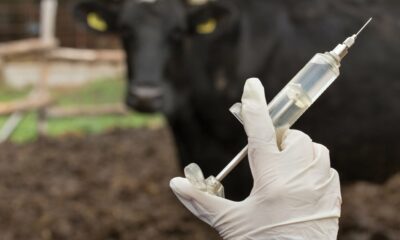
The mass vaccination campaign is expected to begin towards the end of the month. Officials are urging cattle owners to ensure their livestock is accessible and ready, particularly those animals that graze far from homesteads.
In a significant development, South Africa has begun producing its own Foot-and-Mouth Disease vaccines. The first batch of 12,000 locally manufactured doses was released last week and is ready for distribution. Before full-scale use in KwaZulu-Natal, the vaccine’s effectiveness will be tested in the less affected Western Cape and Northern Cape provinces.
The locally produced vaccine offers a 12-month immunity period in cattle, double the six-month guarantee associated with imported doses. For now, South Africa continues to import vaccines from Botswana and Turkey to bolster supply.
The vaccination push aligns with Agriculture Minister John Steenhuisen’s broader national strategy to eliminate the disease. Steenhuisen recently withdrew from the Democratic Alliance leadership race to concentrate fully on addressing what he has described as the most devastating Foot-and-Mouth outbreak the country has experienced.
More than a health issue
This crisis has exposed how deeply interconnected farming, trade, and politics are in South Africa. It has also sparked renewed debate about biosecurity, veterinary capacity, and rural infrastructure.
For KwaZulu-Natal farmers, however, the issue is far more immediate. It is about protecting herds, restoring export confidence, and stabilising livelihoods. The coming weeks will test both the logistics of the rollout and the cooperation between government and communities.
If the mass vaccination programme succeeds, it could mark a turning point in containing the outbreak and rebuilding trust in South Africa’s cattle industry. For now, all eyes are on the end of the month.
Follow Joburg ETC on Facebook, Twitter, TikT
For more News in Johannesburg, visit joburgetc.com
Source: IOL
Featured Image: Farmer’s Weekly