News
Lesufi apologises after hotel shower remark sparks outrage during Joburg water crisis
Lesufi apologises after hotel shower remark sparks outrage during Joburg water crisis
When taps run dry for nearly a month, tempers don’t simmer they boil.
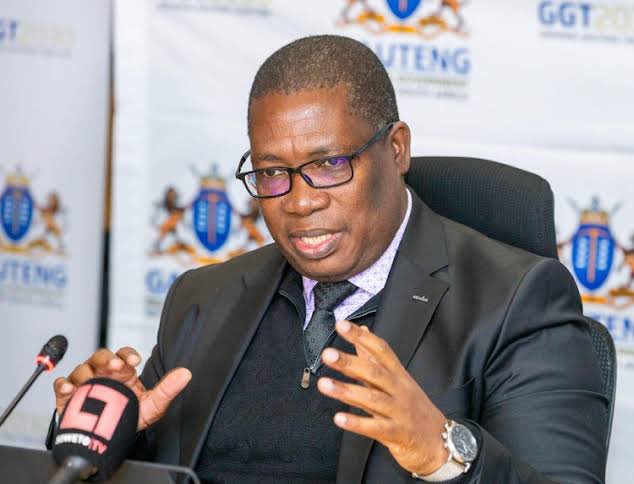
That’s exactly what happened this week after Gauteng Premier Panyaza Lesufi suggested that, during water shortages, he sometimes goes to a hotel to bathe before official commitments.
For thousands of Johannesburg residents who say they’ve been without water for up to 25 days, the comment landed badly and fast.
Within hours, social media platforms were flooded with angry reactions. Many residents said they could barely afford groceries, let alone a hotel shower.
Noted with thanks, Panyaza. 🙏
If only Gauteng residents could go to a hotel and shower. 🫶
Register to #VoteDA. Put a stop to this madness: https://t.co/SzMWMxGkD8 pic.twitter.com/RkdSMgZlG2
DA Gauteng (@DAGauteng) February 11, 2026
“You can smell me”, frustration spills into the streets
The crisis is no longer abstract. It’s personal.
In Brixton, an angry resident confronted Joburg Mayor Dada Morero, saying he hadn’t had water for 24 days.
“You can smell me,” he said bluntly. “It’s been a year that we don’t have water at night.”
Morero admitted that residents with no water at all are effectively living in “day zero” conditions a phrase that still haunts South Africans after Cape Town’s near-disaster drought in 2018.
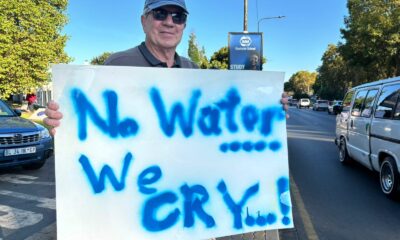
Across Melville, Parktown West, Mayfair, Greenside, Parkview and Emmarentia, frustrated residents took to the streets on Wednesday. Buckets, placards and water bottles became symbols of protest.
For many, this isn’t just about inconvenience. It’s about dignity.
When nonsense talk becomes a norm…….🚮 https://t.co/O1PgWqBL3W
robertmarawa (@robertmarawa) February 11, 2026
The hotel comment that struck a nerve
During a media briefing addressing Gauteng’s water challenges, Lesufi said he too experiences water shortages and has, at times, gone to a hotel to bathe before attending commitments.
He insisted there is no “special water” reserved for officials.
“People think that if there is no water, then ourselves and our families get special water. We don’t,” he said, adding that his family suffers the same inconveniences.
But context matters.
In a province where unemployment is high and the cost of living continues to climb, the idea of casually booking a hotel room to shower felt out of touch. Online, residents asked: With what money?
One viral comment summed up the mood: “We’re boiling kettle water to wash. They’re checking into hotels.”
Apology follows backlash
Realising the anger the remark had triggered, Lesufi issued an apology through his spokesperson, Elijah Mhlanga.
He acknowledged that referencing a hotel may have created the impression that the impact of water shortages differs depending on one’s position in society.
“That was never his intention,” Mhlanga said, stressing that water disruptions affect all residents regardless of social or economic standing.
Lesufi also made it clear that access to water is a basic human right and that any suggestion otherwise was regrettable.
Still, for many residents, the damage was done.
A deeper crisis than a soundbite
The controversy over the comment has, in many ways, overshadowed a far bigger issue: Gauteng’s crumbling water infrastructure.
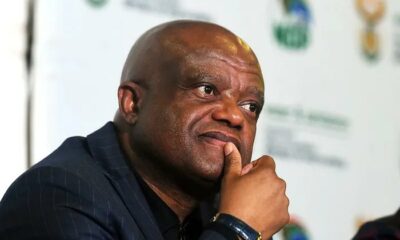
Deputy Minister of Water and Sanitation David Mahlobo has indicated that “soft restrictions” may be introduced to manage the current crisis.
Meanwhile, Minister of Water and Sanitation Pemmy Majodina revealed earlier this week that roughly R400 billion is needed to repair and upgrade water infrastructure at municipal level funding that simply does not exist right now.
Majodina has pointed to municipalities’ failure to properly maintain infrastructure and a lack of technical skills as key contributors to the ongoing crisis.
In plain terms: ageing pipes, poor maintenance and financial strain have created a perfect storm.
Service delivery fatigue
Gauteng residents are no strangers to service delivery protests. Electricity instability, potholes, refuse collection delays and now prolonged water outages have become part of daily conversation.
But water cuts hit differently.
You can’t flush without it. You can’t cook properly. Schools and small businesses suffer. Clinics struggle. Hygiene becomes a daily negotiation.
And in communities already grappling with inequality, prolonged outages widen the gap between those who can adapt and those who simply cannot.
The political pressure is mounting
Lesufi has insisted that resolving the water challenges remains a top priority for the provincial government, saying the problem is “almost fixed.”
Yet residents who have been filling buckets for nearly a month are understandably sceptical.
The political risk here isn’t just about one comment. It’s about trust.
In a province that drives South Africa’s economy, ongoing infrastructure failures send a worrying signal about governance capacity. With elections always on the horizon in South African politics, public perception matters.
Beyond the apology
The hotel remark may fade from headlines in a few days. But the dry taps won’t.
What residents are demanding now isn’t just sensitivity it’s solutions. Clear timelines. Transparent communication. Tangible upgrades.
Because while politicians debate budgets and infrastructure plans, ordinary Joburgers are still waking up to empty taps.
And no apology can wash that away.
{Source: The Citizen}
Follow Joburg ETC on Facebook, Twitter , TikTok and Instagram
For more News in Johannesburg, visit joburgetc.com