News
“I’m Still the President”: Maduro’s Defiant US Court Appearance Sends Shockwaves Through Venezuela
“I’m Still the President”: Maduro’s Defiant US Court Appearance Sends Shockwaves Through Venezuela
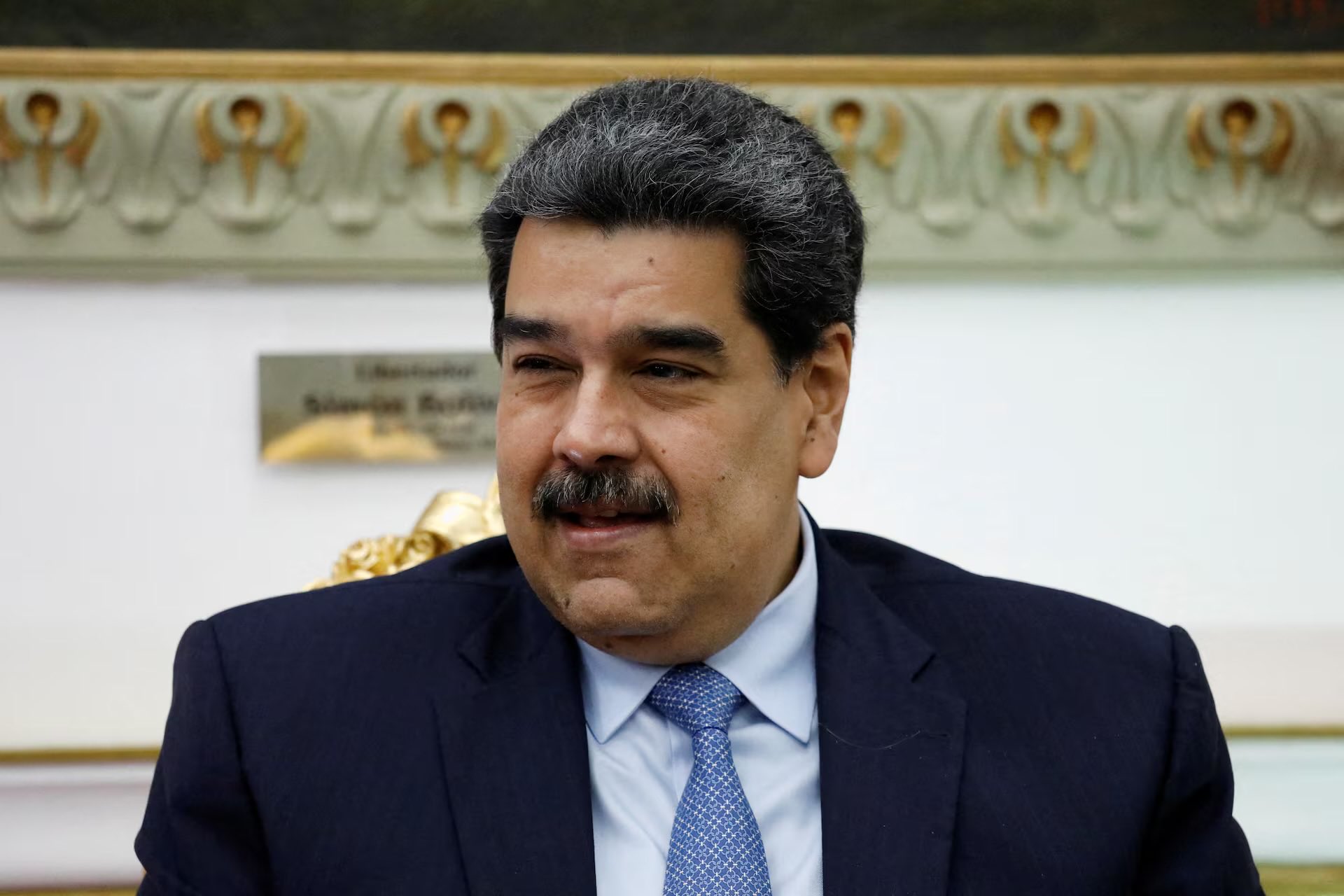
In a moment that felt more like a political thriller than a court hearing, Nicolas Maduro stood before a New York judge this week and declared his innocence and his presidency.
“I’m not guilty,” Maduro told the Manhattan federal court, speaking through an interpreter. “I am the president of the Republic of Venezuela.”
The statement landed like a thunderclap, not just in the courtroom, but across a deeply divided Venezuela still reeling from the dramatic US raid that led to his arrest.

Sourced: X {@SABCNews_Radio}
From Caracas to Courtroom
Maduro, 63, appeared calm and even smiling as he entered court, dressed in an orange shirt and beige trousers. His tone was soft, but his message was unmistakably defiant.
He told the judge he had been “kidnapped” by US forces during a pre-dawn operation at his home in Caracas on Saturday. According to US officials, the raid involved airstrikes over the capital, warplanes and a heavy naval presence, an extraordinary show of force against a sitting head of state.
Maduro’s wife, Cilia Flores, appeared alongside him and also pleaded not guilty to charges including drug trafficking. The judge ordered the couple to remain in custody, setting their next court date for March 17.
Streets Fill With Protest and Fear
Back in Venezuela, the fallout was immediate.
Thousands of Maduro supporters flooded the streets of Caracas, waving flags and chanting slogans denouncing US interference. In a carefully choreographed show of continuity, Delcy Rodriguez, Maduro’s former deputy, was sworn in as interim president.
But unity is fragile.
Opposition leader María Corina Machado, speaking from an undisclosed location, dismissed Rodriguez as illegitimate and deeply compromised. In a fiery interview with Fox News’ Sean Hannity her first public appearance since the weekend, Machado accused Rodriguez of being “one of the main architects of torture, persecution, corruption and narcotrafficking.”
Machado, who left Venezuela under cover last month to accept her Nobel Peace Prize, said she plans to return “as soon as possible.”
On Venezuelan social media, reactions have been raw and polarised: some celebrate what they see as the fall of an authoritarian ruler, while others warn that the country is being pushed toward chaos by foreign intervention.
Trump’s Oil-Focused Endgame
US President Donald Trump wasted little time in outlining Washington’s intentions.
Following the raid, Trump declared that the United States was now “in charge” in Venezuela and signalled plans to take control of the country’s vast, but badly degraded oil industry.
He also ruled out quick elections.
“You can’t have an election,” Trump told NBC News. “There’s no way the people could even vote.”
That position has exposed cracks within Washington itself. US House Speaker Mike Johnson, a close Trump ally, said he believes elections in Venezuela should happen “in short order.”
What is clear is that oil sits at the centre of the US strategy. Trump has indicated he is open to working with Rodriguez and other figures from Maduro’s inner circle but only if they meet US demands on oil access.
After an initially hostile response, Rodriguez signalled she is open to “cooperation,” a word that carries heavy political weight in Venezuela.
A Country on a Knife’s Edge
Maduro has been in power since 2013, taking over from Hugo Chávez and presiding over more than a decade of economic collapse, mass emigration and political repression. The US and EU accuse him of rigging elections including the most recent vote in 2024 and jailing opponents.
Now, Venezuela’s 30 million people, sitting atop the world’s largest proven oil reserves, face a new and unpredictable chapter.
Former US diplomat Brian Naranjo, who served in Caracas until his expulsion in 2018, says the situation is more dangerous than ever.
“I have not been so worried about the future of Venezuela ever,” he said, warning that conditions could deteriorate sharply before improving.
Naranjo also pointed to potential power struggles within the ruling elite, naming Interior Minister Diosdado Cabello and Jorge Rodriguez, the parliamentary president and Delcy Rodriguez’s brother, as figures who could challenge her authority.
“Delcy had better be sleeping with one eye open,” he said bluntly.
International Law Under Strain
Beyond Venezuela, the raid has triggered alarm internationally.
Brian Finucane of the International Crisis Group said Trump appears to be disregarding international law and possibly US domestic law in Venezuela. Details of the operation are still emerging, with Cuba claiming 32 of its citizens were killed in the attack.
US Defence Secretary Pete Hegseth confirmed that nearly 200 US personnel were involved in the Caracas operation. Washington reports injuries but no US fatalities.
Meanwhile, Trump has widened his rhetoric, claiming Cuba is “ready to fall” and once again floating the idea of US control over Greenland, unsettling allies and critics alike.
What Happens Now?
Maduro insists he remains Venezuela’s legitimate president, even from a US jail cell. His supporters see him as a victim of imperial overreach. His critics see long-awaited accountability.
What’s undeniable is that Venezuela is now at its most volatile point in years, caught between internal power struggles, foreign intervention and the enduring shadow of oil.
Whether this moment leads to reform, rupture or deeper crisis will shape not just Venezuela’s future, but the global debate on power, sovereignty and the limits of international force.
{Source: IOL}
Follow Joburg ETC on Facebook, Twitter , TikTok and Instagram
For more News in Johannesburg, visit joburgetc.com