As negotiators gather in Geneva for a second round of high-stakes nuclear talks, President Donald Trump has delivered a blunt warning: make a deal, or face the consequences.
“I don’t think they want the consequences of not making a deal,” Trump told reporters aboard Air Force One ahead of Tuesday’s negotiations.
The talks, mediated by Oman, represent the latest attempt to bridge a chasm that nearly erupted into open war last year. In June, Israel launched surprise strikes on Iran, triggering a 12-day conflict that Washington briefly joined to bomb Iranian nuclear sites. Diplomacy collapsed. Now, both sides are cautiously probing whether a return to negotiations can prevent a repeat.
Tehran: “More Realistic” US Position
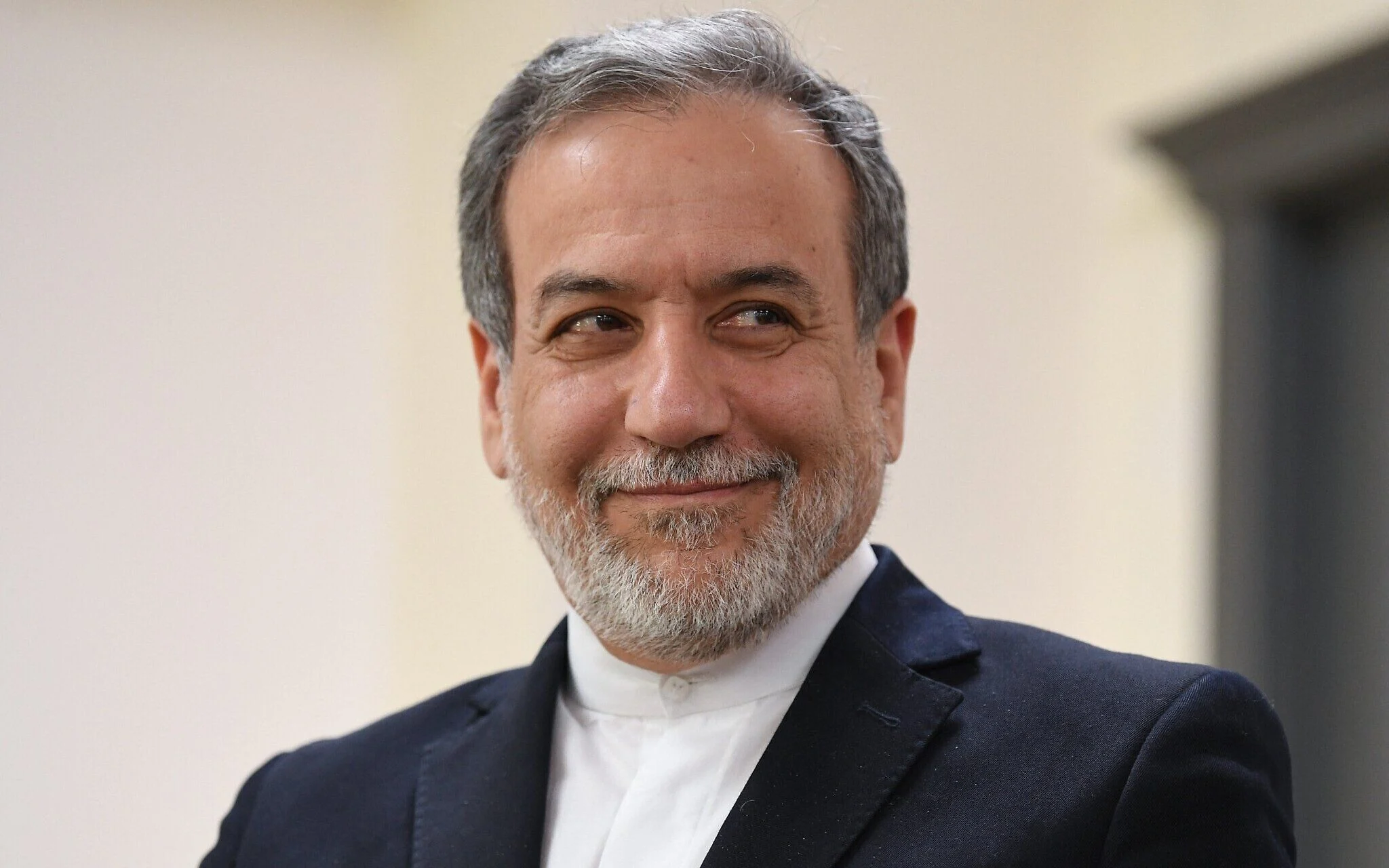
Iranian Foreign Minister Abbas Araghchi arrived in Geneva on Monday, meeting with his Omani counterpart Badr Albusaidi to coordinate positions. According to Tehran, the discussions will focus narrowly on nuclear issues and sanctions reliefa red line for Iran, which has resisted US attempts to broaden the agenda to include its ballistic missile programme and support for regional armed groups.
Foreign ministry spokesman Esmaeil Baqaei struck a cautiously optimistic tone. “A cautious assessment is that, from the discussions that have taken place in Muscat to date, at least what we have been told is that the US position on the Iranian nuclear issue has moved towards a more realistic one,” he said.
Araghchi, posting on X, said he came to Geneva “with real ideas to achieve a fair and equitable deal,” but added there would be no “submission before threats.”
The US Delegation and the Stakes
Washington has dispatched Middle East envoy Steve Witkoff and, notably, Trump’s son-in-law Jared Kushner to the talksa sign of the administration’s direct interest in the outcome. Secretary of State Marco Rubio expressed measured optimism: “We’re hopeful there’s a deal. The president always prefers peaceful outcomes and negotiated outcomes to things.”
But the military backdrop is impossible to ignore. Two US aircraft carriers are now positioned in the region. The USS Abraham Lincoln, newly arrived, is stationed approximately 700 kilometres from the Iranian coast. Iran’s Islamic Revolutionary Guard Corps (IRGC) began its own war games in the Strait of Hormuz on Monday, rehearsing for “potential security and military threats.”
The Nuclear Dimension
Araghchi also met with Rafael Grossi, head of the International Atomic Energy Agency (IAEA), for what Tehran described as “deep technical discussion.” The IAEA’s role will be critical if a deal is reached: verifying compliance, monitoring stockpiles, and certifying that Iran’s programme remains peaceful.
Iran’s deputy foreign minister, Majid Takht-Ravanchi, signalled flexibility in an interview with the BBC. He suggested Tehran would consider compromises on its uranium stockpile if Washington lifted the crippling sanctions that have strangled Iran’s economy.
“If we see the sincerity on their part, I am sure we will be on a road to have an agreement,” he said.
The Obstacles
Previous talks collapsed over fundamental disagreements:
-
Scope: Iran insists negotiations be limited to its nuclear programme. Washington wants to include missiles and regional proxy groups.
-
Sanctions: Tehran demands verifiable relief before any rollback of its nuclear activities. Washington wants verified compliance first.
-
Verification: The IAEA’s access and monitoring remain contentious, with Iran resisting some inspection regimes.
What’s at Stake
A failure to reach a deal could trigger a cascade of consequences. Trump has not ruled out military action, and a second carrier group in the region is a clear signal of readiness. Iran has repeatedly threatened to block the Strait of Hormuz, through which a significant portion of the world’s oil flows, if pushed to the brink.
For the region, a renewed conflict would be catastrophic. For the world, it would send oil prices soaring and shatter what remains of diplomatic norms around non-proliferation.
The View from Geneva
The talks begin Tuesday in a Swiss city accustomed to hosting high-stakes diplomacy. Both sides have expressed cautious hope. Both have also deployed warships and run war games. The gap between words and weapons is narrow.
As Araghchi put it: “Real ideas for a fair and equitable deal.” The question is whether those ideas can bridge the distrust of decades, and the scars of a war less than a year old.
The consequences of failure, as Trump warned, are clear. The contours of success remain to be negotiated.