News
“You Sit in the Sun and Wait”: Mantashe Takes Aim at a Culture of Dependency
A Blunt Assessment From a Veteran Leader
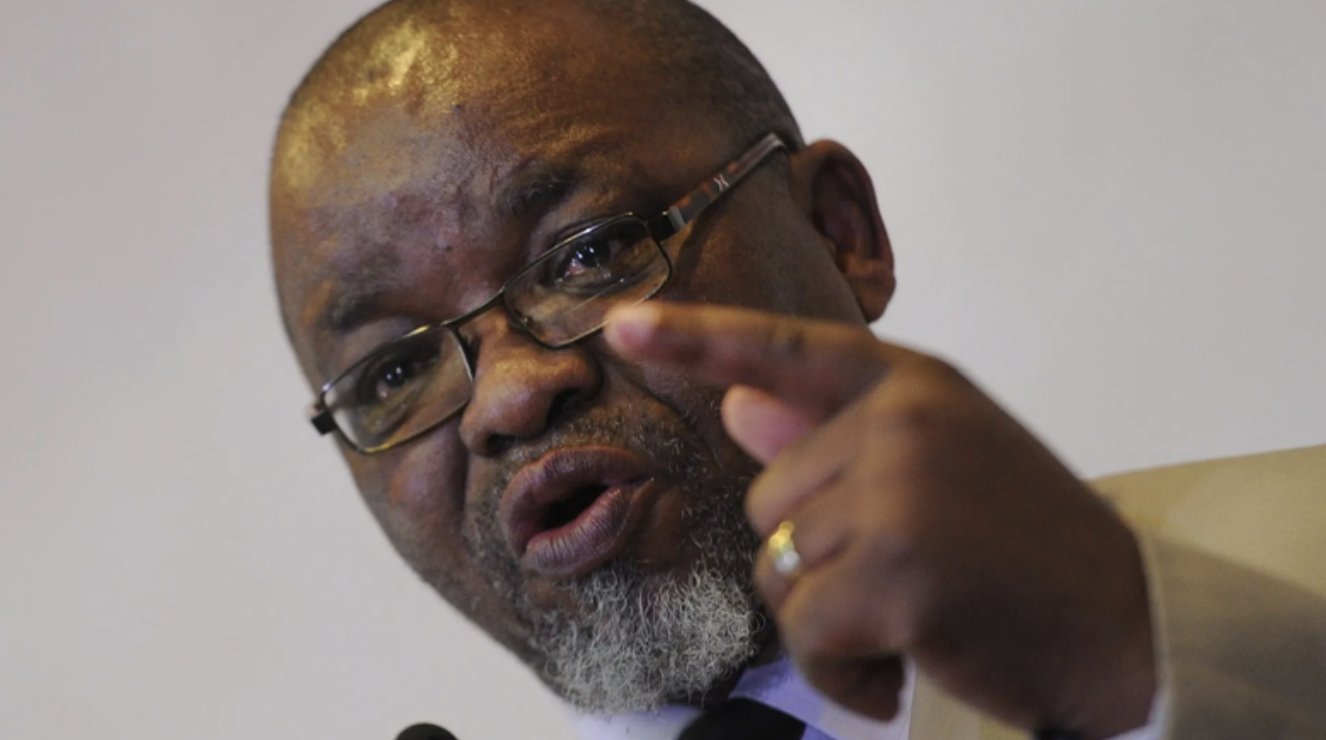
Gwede Mantashe is not known for soft language, and his latest remarks have once again stirred debate about responsibility, power and participation in South Africa’s democracy.
Speaking during a television interview, the ANC national chairperson criticised what he described as a deeply flawed relationship between the state and society, one that has, in his view, created a nation of spectators rather than participants.
According to Mantashe, South Africans have been conditioned to “sit in the sun” and wait for government to deliver jobs and services, a mindset he says the ANC itself helped create.
“A Mistake We Created”
In a rare moment of self-criticism, Mantashe admitted that the ruling party bears responsibility for this dynamic.
He argued that since 1994, the ANC has focused heavily on delivery, but in doing so, unintentionally sidelined active citizen involvement. While he defended the party’s record, pointing to expanded access to education, no-fee schools and higher education opportunities, he said these gains are often ignored in favour of constant negativity.
“We have achieved a lot since democracy,” he said, adding that progress is frequently downplayed while failures dominate public discourse.
A China Comparison Sparks Reaction
Mantashe drew a controversial comparison between South Africa and China, referencing China’s recovery after the Cultural Revolution. He said the key difference lies in public participation.
In his view, Chinese citizens “put their skin in the fire” to rebuild their country, while South Africans expect the state to do everything on their behalf.
“If our people were involved, we would be a better country,” he said, arguing that South Africa needs to move away from passivity towards shared responsibility.
The comparison quickly gained traction on social media, with some praising his honesty, while others accused him of shifting blame away from government failures and high unemployment.
“We Gave You the Fishing Rod”
To illustrate his point, Mantashe shared a recent conversation with a young woman who acknowledged the educational opportunities provided by the ANC government but complained that she still did not have a job.
His response was blunt: the government had given her the tools, “the fishing rod”, but could not be expected to catch the fish on her behalf.
For many South Africans struggling in a job market with limited opportunities, this analogy struck a nerve. Critics online argued that education alone does not guarantee employment in an economy battling low growth and structural inequality.
Lessons From the Ground
Mantashe also reflected on his own experience running a community farming project, which he said eventually collapsed due to a lack of interest from young people.
To him, this reinforced the idea that communities must take ownership of solutions rather than wait for the state or the ANC to intervene.
“I want a society that does things for itself,” he said. “Not one that depends on the government for everything.”
Analysts: He’s Not Wrong, But It’s Complicated
Political analyst Thabani Khumalo offered a measured view, saying Mantashe’s criticism is partly valid. He noted that when the ANC came to power, it made sweeping promises of delivery, often without clearly defining the role of citizens and other stakeholders.
Professor Musa Xulu echoed this, pointing to what he called “spectator politics” around service delivery.
He argued that political parties have failed to properly explain what service delivery really means, leaving many citizens believing that once politicians are elected, they alone must deliver everything.
According to Xulu, this gap in civic education has contributed to unrealistic expectations and disengagement.
A Conversation South Africa Keeps Avoiding
Mantashe’s comments land at a sensitive time, with unemployment stubbornly high and trust in political institutions under strain. While some see his remarks as dismissive, others view them as a necessary, if uncomfortable, challenge to a long-standing narrative.
Whether South Africans agree with him or not, the debate he has reignited goes beyond party politics. It raises a harder question: in a democracy shaped by inequality and history, where does government responsibility end and where does citizen responsibility begin?
{Source: IOL}
Follow Joburg ETC on Facebook, Twitter , TikTok and Instagram
For more News in Johannesburg, visit joburgetc.com