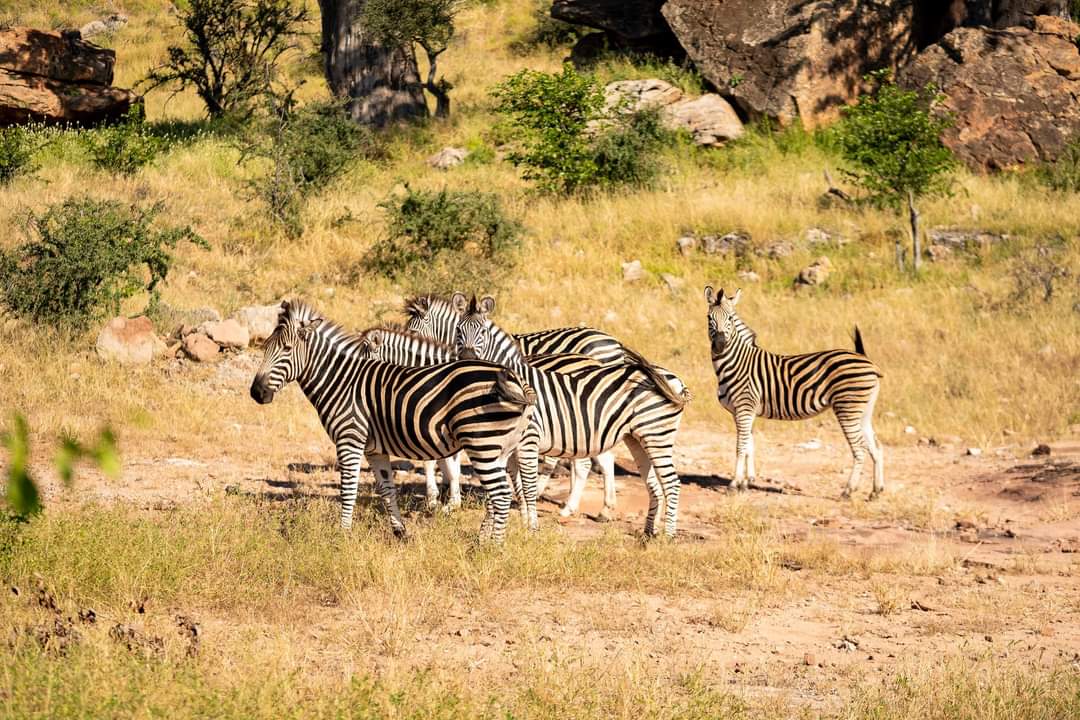
In the rugged landscape of the Waterberg, where mountains meet bushveld and wildlife roams across vast stretches of protected land, Marakele National Park has long been a quiet treasure. It sits in Thabazimbi, Limpopo, spread across three municipalitiesThabazimbi, Lephalale, and Modimolleand offers visitors something rare: the big five in a setting that feels untouched.
But Marakele has a problem. It’s not generating enough revenue to fund all the things it wants to do. And so, park management is thinking bigger. Much bigger.
Sipho Zulu, the park’s hospitality services manager, recently outlined an ambitious vision at a media briefing held within the reserve. Marakele currently covers about 100,000 hectares. Management wants to add another 70,000 hectares. That’s a 70% increase in size, a transformation that would fundamentally reshape what the park can offer.
“The park is not generating enough revenue,” Zulu said plainly. “We have many plans and priorities, which is why we want to acquire more land so that we can expand it.”
Why Bigger Is Better
The logic behind expansion is straightforward. More land means space for more animals. More animals mean a more compelling experience for visitors. More visitors mean more revenue. And more revenue means more jobs for the communities that surround the park.
It’s a virtuous cycle, but one that requires a significant initial investment in both land acquisition and infrastructure. The park is currently negotiating with neighbouring communities and other stakeholders about the plan to secure additional territory. Those negotiations will be critical. Land is not just a resource; it’s someone’s home, someone’s history, someone’s livelihood.
Zulu emphasized that the park’s relationship with local communities is already strong. “When there are issues or queries from the community, maybe unhappy with what we are doing and things like that, maybe our animals are troubling them, we talk about it,” he said. “We always work with the communities to make sure they always benefit from whatever we have.”
This partnership approach will be essential as expansion proceeds. Communities that see tangible benefits from the parkjobs, business opportunities, a stake in its successare far more likely to support its growth.
The Geographic Advantage
Marakele’s location gives it a natural edge. Its spread across three municipalities means it serves as a corridor for tourists traveling to different areas adjacent to OR Tambo International Airport. Visitors flying into Johannesburg can make their way to Marakele and from there explore the wider Waterberg region.
This geographic position makes the park not just a destination in itself, but a gateway to other attractions. Expansion would strengthen that role, allowing Marakele to capture more tourist traffic and distribute visitors across a wider area.
Protecting What Matters
More land also means more responsibility. Marakele is one of the few parks that has the big fivelion, leopard, elephant, rhino, and buffalo. That status brings prestige, but it also brings challenges. Elephants and rhinos need space. They also need protection.
Zulu highlighted one of the park’s unique features: a wetland that provides water for the reserve. “That’s why we’re also getting money from the national department to be able to protect the wetland from being damaged by elephants and rhinos,” he explained. “When these animals see water, they always want to go and play there.”
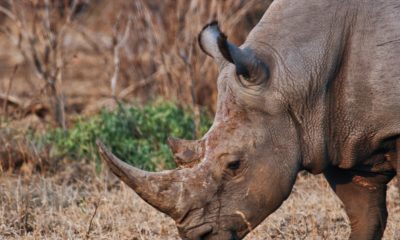
Protecting the wetland while accommodating the animals that are drawn to it requires careful management. The park has strengthened security measures, particularly around rhino poachinga persistent threat across South Africa’s reserves.
“We are doing well in fighting rhino poaching and poaching in general,” Zulu said. “Ours still have horns; what is helping us is we are working well with the neighbours and all the private sectors.” The park recently arrested several suspected rhino poachers, a testament to the effectiveness of these collaborative efforts.
Infrastructure and Amenities
Expansion isn’t just about acquiring land. It’s about making that land accessible and attractive to visitors. The park is working on improving road networks to allow tourists to reach vital sites that are currently difficult to access. Better roads mean more visitors can experience more of what Marakele offers.
Accommodation is another priority. Currently, the park offers only safari tentsno brick-and-mortar facilities for guests who prefer more substantial lodging. “We would like to put in brick-and-mortar facilities to attract different clientele and make sure Marakele grows and attracts private investors,” Zulu said.
The five-year plan is ambitious: grow visitor numbers, increase the range of products and experiences available, and create an environment that draws private investment. Businesses are already operating within the park, and Zulu extended an invitation to small business owners to explore opportunities there.
The Human Element
Behind the plans and projections are people like Tinyiko Ndlovu, a ranger manager whose connection to the land runs deep. She started as a guard and has worked at Marakele for eight years. Her path to this role began in childhood.
“As a child, I was a wild child,” Ndlovu said. “I liked going out to the bushes, playing there. I used to look at the rangers and wish to be one of them. I’m happy because I am now one of them.”
But she’s honest about the challenges. Protecting animals is not easy. Rangers face daily dangers, from poachers to the animals themselves. “I won’t say protecting animals is easy. We face different challenges daily.”
There’s something else Ndlovu brings to the job: intuition. “As a ranger, sometimes my guard feelings tell me if there is an injured animal or when something bad is about to happen to the animals.” It’s the kind of knowledge that can’t be taughtearned through years of being present, watching, learning the rhythms of the bush.
Community and Conservation
The expansion plans for Marakele represent a model of conservation that goes beyond simply fencing off land. It’s about creating a park that works for wildlife, for visitors, and for the people who live nearby. Jobs, business opportunities, and community partnerships are not add-ons to the conservation mission; they are essential to its success.
When communities benefit from conservation, they become partners in protecting it. When they see tourism bringing income and opportunity, they have a stake in ensuring that visitors keep coming. When their children can aspire to become rangers like Tinyiko Ndlovu, the park becomes part of their future.
The Road Ahead
Adding 70,000 hectares to an already substantial park is no small undertaking. It requires funding, negotiations, and careful planning. It requires balancing the needs of wildlife with the rights of communities. It requires infrastructure investment and marketing to attract the visitors who will make the expansion sustainable.
But the vision is clear. A bigger Marakele can offer more: more space for animals, more experiences for visitors, more jobs for locals, more revenue for conservation. It can protect its wetland, secure its rhinos, and welcome a growing stream of tourists.
Zulu and his team are working to make that vision real. They’re talking to communities, planning infrastructure, inviting investors. They’re thinking not just about next year, but about the next five years and beyond.
For now, Marakele remains what it has always been: a quiet treasure in the Waterberg, home to the big five and the people who protect them. But if the expansion plans succeed, it will become something morea model for how parks can grow, communities can benefit, and conservation can thrive in modern South Africa.