News
The Secret Sea Escape that Brought Maria Corina Machado to Oslo
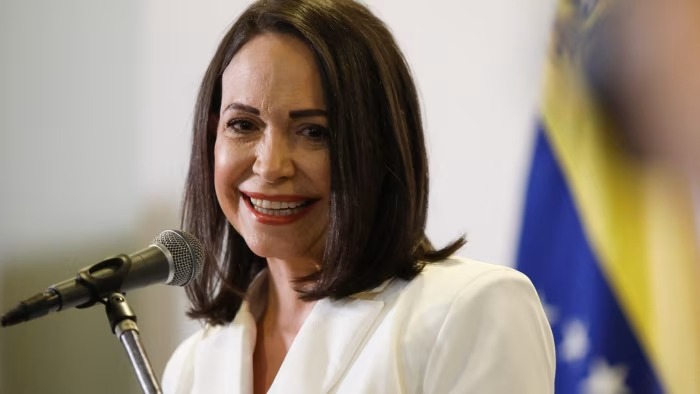
The escape that gripped two continents
When Maria Corina Machado appeared on a hotel balcony in Oslo at two in the morning, wrapped in the glow of cheering supporters, few imagined the scale of the journey she had just survived. The Nobel Peace Prize laureate had spent three days travelling undercover, slipping past checkpoints, navigating the Caribbean Sea in a small wooden vessel, and relying on the courage of people who risked everything to help her leave Venezuela.
Her first public appearance in nearly a year marked the end of a tense period where no one knew where she was or if she would make it to the ceremony at all. The mystery surrounding her whereabouts had become a global talking point, especially after the Nobel Institute confirmed her attendance, postponed her press briefing, cancelled it entirely, and eventually admitted they simply did not know where she was.
By the time her daughter Ana Corina stepped forward to accept the prize on her behalf, most assumed Machado would not make it. Then came news that she was on her way.
A journey that began in secrecy
Machado had been in hiding since August 2024 after she was barred from running in the national election. Her last public sighting in Venezuela had been during a protest in Caracas on 9 January. Leaving her safe house in a Caracas suburb was already a gamble. Doing so at a time when authorities accused her of conspiracy, incitement, and terrorism meant the risk of arrest was real.
The Wall Street Journal reported that she wore a wig and a disguise as she began her journey on Monday. Two people assisted her as they made their way from the capital to a remote coastal fishing village. The ten-hour journey took them through ten military checkpoints. Every crossing could have ended with her detaining them, yet each time, they slipped through.
From the coast, she boarded an open wooden fishing skiff to begin the night crossing to Curacao. The Caribbean Sea is unpredictable at the best of times. Attempting the trip in a small vessel while evading detection added a layer of danger that she later described as extreme.
She arrived in Curacao on Tuesday afternoon. There she met a private contractor who handled extraction operations and who had been supported by the Trump administration. She confirmed that the United States was aware of her journey and offered assistance, although the full extent of involvement has not been publicly clarified.
After one night in a hotel, she boarded a private jet bound for Norway and landed early on Wednesday morning.
Oslo greets her with warmth
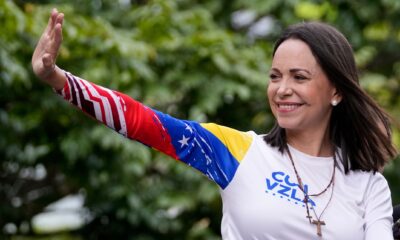
Hours after her arrival, she appeared on the balcony of her hotel to greet jubilant supporters. The moment was emotional. Many had followed her struggle for years and saw her presence in Oslo as a symbol of resistance.
At a press event with Norwegian Prime Minister Jonas Gahr Store, she expressed gratitude to those who helped her escape. She said many had risked their lives and that she hoped one day she would be able to share the details of their bravery without putting them in danger.
Will she return home?
Machado made it clear that she intends to return to Venezuela. She did not commit to a date or method, only saying she hoped to help bring an end to what she described as tyranny.
Her political stance continues to draw strong reactions. Many supporters celebrate her commitment to democracy, while critics argue that her alignment with former United States President Donald Trump complicates her message. Meanwhile, the Venezuelan government said she would be considered a fugitive if she travelled to Oslo and repeated long-standing accusations that Washington aims to topple President Nicolas Maduro in pursuit of Venezuela’s oil reserves.
Despite the political noise, her escape has become one of the most dramatic stories in the history of the Nobel Peace Prize. It has also created a moment of global reflection on the realities faced by opposition figures in Venezuela. Machado summed it up herself: being in the opposition is very dangerous.
What her journey means for Venezuela
Machado’s arrival in Oslo was more than a logistical victory. It signalled that her influence extends far beyond Venezuela’s borders. Her vow to return will be watched closely at home and abroad as the country continues to navigate political uncertainty.
For now, the world has witnessed the extraordinary escape of a woman who crossed land and sea to stand before the global community. The story of her journey underscores the continued struggle for political freedom in her country and offers a new chapter in Venezuela’s ongoing search for democracy.
Also read: Israel and Iran: The Tension Surge Putting the Middle East on Edge
Follow Joburg ETC on Facebook, Twitter, TikT
For more News in Johannesburg, visit joburgetc.com
Source: IOL
Featured Image: Financial Times