News
“We Were Offered Zero Protection”: The Haunting Fear After a Witness is Gunned Down
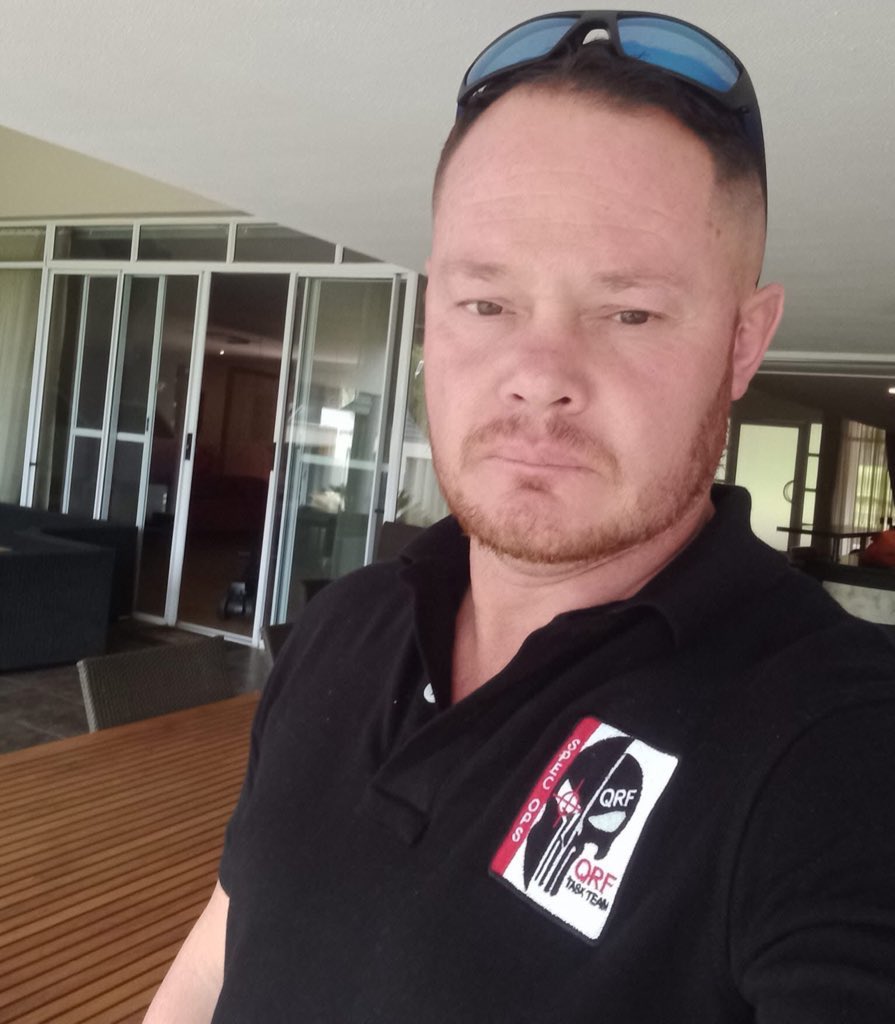
The murder of Marius van der Merwe outside his Brakpan home has done more than claim a life; it has shattered any remaining trust whistle-blowers had in the state’s ability to protect them. Van der Merwe, known as Witness D at the high-stakes Madlanga Commission, was shot dead just days after implicating suspended Ekurhuleni Metro Police top brass in criminal activity. In the wake of his killing, a stark contradiction has emerged: government assurances of robust protection versus the terrified accounts of those still in the crosshairs.
Justice Minister Mmamoloko Kubayi and her deputy, Andries Nel, stated that Van der Merwe had been offered protection by the commission but declined it, citing his own private security. However, those close to him and fellow witnesses vehemently dispute this. Van der Merwe’s wife reportedly said she was unaware of any refusal, a claim echoed by a source close to the family. More chillingly, other witnesses who have testified or are set to testify say they were the ones begging for protection, only to be met with silence or intimidation.
A Climate of Fear and Intimidation
“We were offered zero protection and, just like with Vlam, we are starting to feel that we are next,” one witness told The Citizen. Another described living in hell, never leaving home without private guards. “It was never on the table. Just threats,” they alleged, claiming law enforcement used coercion to secure their testimony.
The commission, in response to queries, stated it is now working with the National Joint Operational and Intelligence Structure (NATJOINTS) to “enhance” security measuresan admission that existing protocols were insufficient. This high-level intervention, typically reserved for events like the G20 summit, underscores the severe escalation of the threat.
Experts: Protection Should Be Mandatory, Not Optional
Crime specialist Mike Bolhuis argued that protection for such witnesses should be mandatory, not a choice. “The authorities should demand that anybody who is a whistle-blower be protected,” he stated, insisting Van der Merwe should never have been left vulnerable.
Organised crime investigator Chad Thomas warned the assassination could have a “chilling effect,” deterring future witnesses. He called for a multi-agency security approach involving the State Security Agency and the military, citing a “deficit of trust” in the SAPSthe very institution under scrutiny by the commission.
A Hero’s Legacy and a System’s Failure
Van der Merwe’s death has become a rallying point. Some witnesses now believe that going public en masse may be their only shield, forcing the state to act. “Perhaps we should do this, in honour of Witness D. He is a hero; he paid for truth with his life,” one said.
His murder exposes a fatal flaw in South Africa’s fight against corruption and state capture: the inability to safeguard those brave enough to speak up. The commission continues, but its quest for truth now hinges on a more urgent question: can it, and the state, guarantee the most basic element of justice safety for those who seek it? Until that is answered, every whistle-blower’s testimony is signed in blood.
{Source: Citizen}
Follow Joburg ETC on Facebook, Twitter , TikTok and Instagram
For more News in Johannesburg, visit joburgetc.com