Business
Markets rattle as oil spikes amid Trump’s 48-hour Iran ultimatum
Markets rattle as oil spikes amid Trump’s 48-hour Iran ultimatum
It started with a warning and within hours, the world’s financial markets were already reacting.
Global stocks slid sharply on Monday while oil prices climbed, after Donald Trump issued a dramatic 48-hour ultimatum to Iran, demanding the reopening of one of the world’s most critical shipping routes: the Strait of Hormuz.
For investors, it wasn’t just another geopolitical headline. It was a signal that the already tense Middle East conflict could spiral into something far more disruptive and expensive.
Why this narrow stretch of water matters so much
The Strait of Hormuz isn’t just a line on a map. Roughly one-fifth of the world’s oil and gas supply passes through this corridor.
So when it’s effectively shut, as it is now,the ripple effects are immediate.
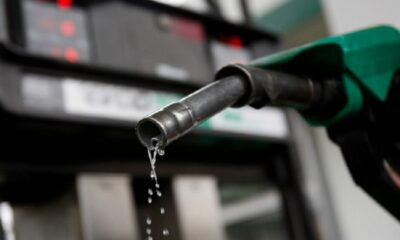
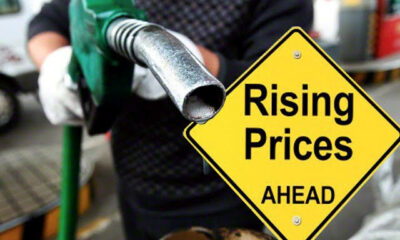
Oil prices began climbing again, with Brent crude hovering above $110 a barrel and US oil nearing the $100 mark. For everyday consumers, that often translates into higher fuel prices, rising transport costs, and eventually, more expensive groceries.
A war stretching into weeks, with no clear end
The latest escalation comes as fighting in the region drags into its fourth week. Israel has indicated that military operations could continue for several more weeks, particularly in areas linked to Iran-backed forces.
Meanwhile, Tehran has warned that any attack on its infrastructure could trigger a full closure of the strait, a move that would send shockwaves through global trade.
Iranian officials have even threatened wider damage to key infrastructure across the region, raising fears that this conflict could expand beyond its current borders.
Stocks take a hit across Asia and beyond
Markets didn’t wait for the deadline to react.
Across Asia, investors pulled back sharply:
- Tokyo dropped more than 3%
- Hong Kong fell over 3%
- Shanghai, Taipei, and Manila all posted losses above 2%
Even traditionally stable currencies showed strain, with South Korea’s won weakening to levels not seen since the global financial crisis.
It’s a classic risk-off moment, when uncertainty rises, markets retreat.
A looming energy crisis warning
Behind the numbers lies a deeper concern.
Fatih Birol has warned that the world could be heading toward one of its most serious energy crises in decades. According to him, the global economy now faces a “major threat” if tensions continue to escalate.
And it’s not just about oil.
There are growing fears about disrupted fertiliser shipments, which could affect food production globally a worrying signal for countries already dealing with rising living costs.
Inflation fears creep back into the conversation
If oil prices stay high, inflation is almost certain to follow.
That puts central banks in a difficult position. Some, like Australia’s, have already started raising interest rates again a move that could ripple across global economies.
For ordinary people, it’s a familiar pattern:
higher fuel → higher food prices → higher borrowing costs.
Trump’s deadline and what comes next
The 48-hour deadline set by Trump has become the focal point for markets.
He warned that failure to reopen the strait could result in strikes on Iran’s energy infrastructure, starting with major power plants. It’s a stark escalation, especially given that just a day earlier, there had been talk of easing military action.
Now, all eyes are on what happens if the deadline passes.
The bigger picture: why this matters at home
While the conflict feels far away, its effects are anything but distant.
In South Africa, rising oil prices typically mean petrol hikes, increased transport costs, and pressure on already stretched households. Social media has already started buzzing with concerns about the next fuel price adjustment and what it could mean for everything from taxi fares to grocery bills.
A fragile moment for the global economy
There’s a sense that things could tip either way.
If tensions ease, markets may recover quickly. But if the situation escalates, especially around the Strait of Hormuz, the consequences could be far-reaching.
For now, the world is watching the clock.
Because in a global economy this connected, a decision made in one region can be felt everywhere, from Wall Street to the streets of Johannesburg.
{Source: IOL}
Follow Joburg ETC on Facebook, Twitter , TikTok and Instagram
For more News in Johannesburg, visit joburgetc.com