News
Why Matric Results Will Still Appear in Newspapers Despite the Court Fight
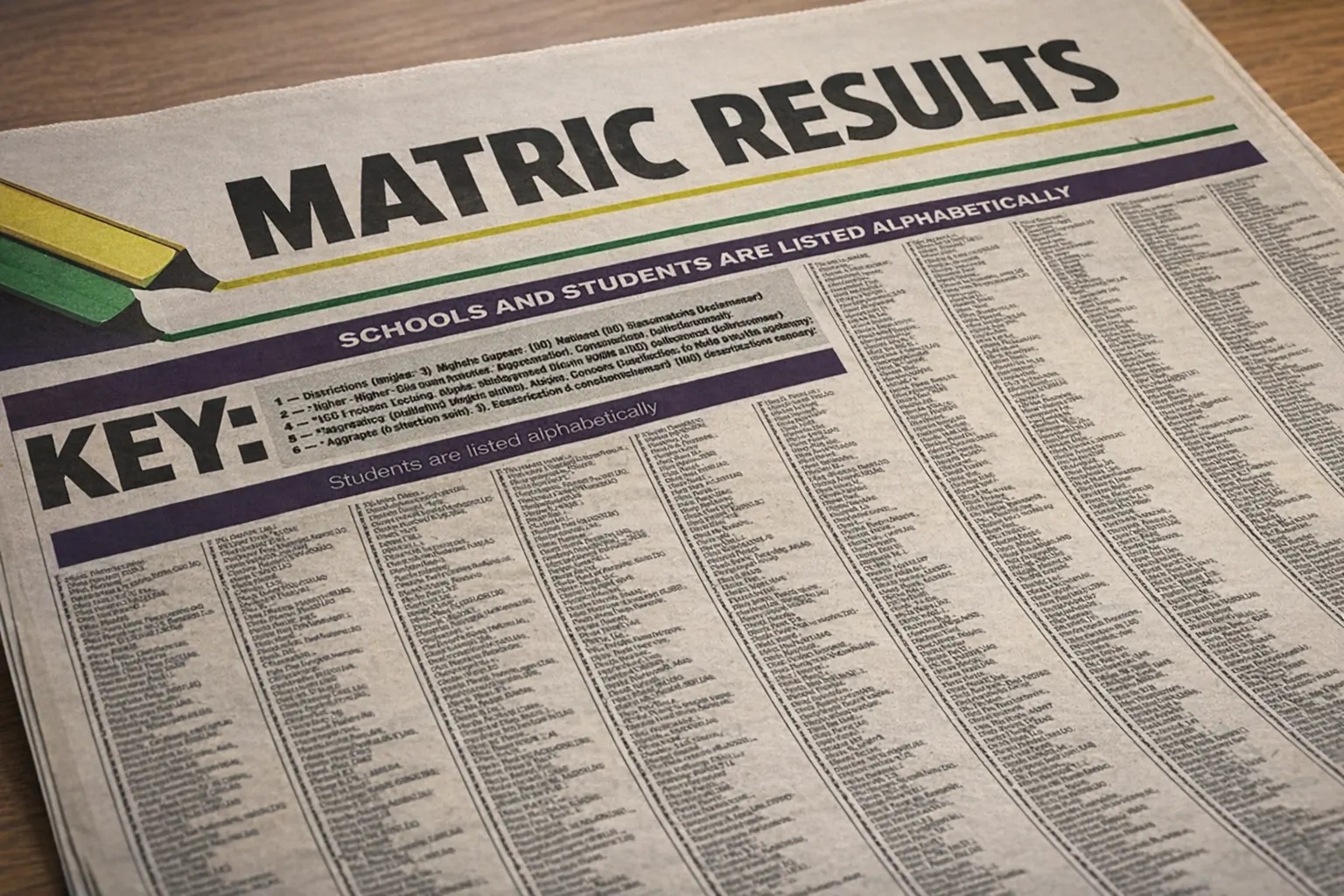
For thousands of matrics and their families, results week is already an emotional rollercoaster. This year, it comes with an added layer of legal drama. Despite an ongoing court battle about privacy and data protection, matric results will still be printed in local newspapers, offering learners a familiar and accessible way to check their outcomes.
The confirmation came this week from the Gauteng Department of Education, bringing a measure of relief to learners who rely on print media, especially in areas where internet access remains uneven.
How results will be published
The results will not include names or surnames. Instead, learners will need to look up their outcomes using their examination numbers only. This approach follows a December ruling by the Gauteng High Court, Pretoria, where a full bench of judges found that results could be published in this limited format.
Education officials say this method strikes a balance between transparency and privacy, allowing learners to access results without exposing personal details.
Why the Information Regulator disagrees
The Information Regulator has not backed down. It maintains that publishing results in newspapers, even with exam numbers only, still raises concerns under the Protection of Personal Information Act.
The regulator has applied for leave to appeal the High Court ruling and intends to take the matter to the Supreme Court of Appeal. According to the regulator, the appeal automatically suspends the earlier court order, meaning its enforcement notice against publication remains in place for now.
This legal tug-of-war has created confusion, with education authorities moving ahead on the basis of the earlier judgment, while the regulator insists the appeal changes the legal position.
What learners can do on results day
To avoid uncertainty, the Department of Basic Education has outlined multiple ways for learners to access their results. Newspapers are just one option.
Learners can also check their results online using their examination number and date of birth, receive them via SMS, or collect official printed statements from schools and examination centres. Education officials say this multi-channel approach ensures no learner is left stranded.
Public reaction and growing pressure
On social media, many South Africans have questioned why a system that has worked for decades is now under threat. Parents and former learners have pointed out that publishing results by exam number has long been standard practice, especially before widespread internet access.
Civil society group AfriForum has also weighed in, signalling it may seek urgent court relief if results are blocked from newspapers. The group argues that access to results is a matter of public interest and educational fairness.
Why this case matters beyond matric
Beyond this year’s results, the dispute has wider implications. The Information Regulator says the case raises important questions about how POPIA should be interpreted in education and other public interest contexts. It wants clarity that could affect future disputes involving government data and public access.
For now, though, learners can take some comfort in knowing that when results day arrives, the familiar newspaper pages will still carry those all-important numbers.
Follow Joburg ETC on Facebook, Twitter, TikT
For more News in Johannesburg, visit joburgetc.com
Source: IOL
Featured Image: Grobank