News
Matric Results vs Privacy: The Court Fight That’s Splitting South Africa
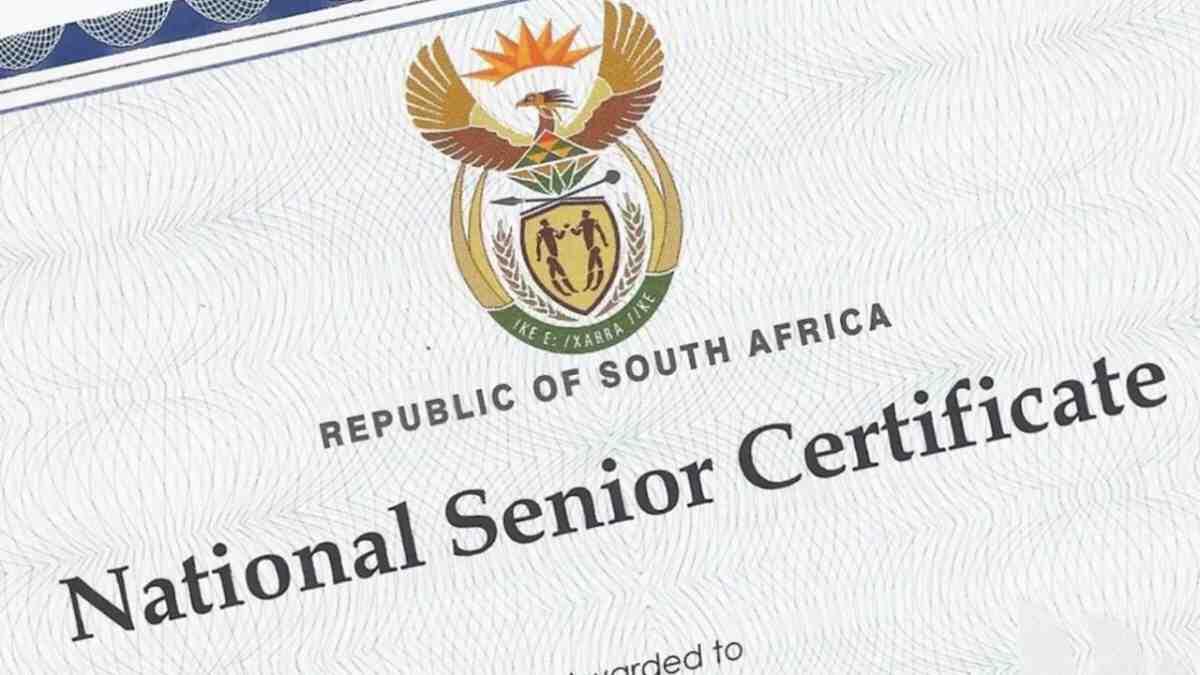
Matric results and a legal line in the sand
Every January, matric results dominate South African dinner tables, WhatsApp groups, and newspaper front pages. For decades, learners have scanned printed lists using exam numbers, circling results with shaking fingers and a sense of shared national ritual. Now, that familiar moment is at the centre of a legal battle that has split the country’s legal minds right down the middle.
At the heart of the dispute is whether publishing matric results in newspapers, even when names are removed, crosses the line into a privacy breach under POPIA.
How the fight began
The clash goes back to a December 2024 move by the Information Regulator, which issued an infringement notice against the Department of Basic Education. The regulator argued that publishing matric results in newspapers violated the Protection of Personal Information Act, even if learners were identified only by exam numbers.
When the department failed to commit to stopping publication, the watchdog imposed a R5 million fine. It was a bold step that signalled a tougher stance on data protection in education.
A court steps in
This was not the first time the issue had reached the courts. In 2022, the department had already tried to stop newspaper publication, citing POPIA. That decision was challenged by AfriForum and Maroela Media, who argued that learners in rural or remote areas would be disadvantaged if results were no longer printed.
The North Gauteng High Court agreed with them, ruling that using exam numbers alone was acceptable. That position was reaffirmed in December 2025, when a full bench of the Pretoria High Court overturned the R5 million fine.
The judges dismissed the idea that learners would realistically memorise one another’s exam numbers, calling the argument fanciful.
Lawyers split down the middle
The ruling has triggered a public debate within South Africa’s legal community. In letters published in early January 2026, a group of lawyers and academics urged the Information Regulator to appeal the judgment.
They warned that treating pseudonymised data as non-personal when released publicly could weaken data protection standards and put South Africa out of step with international practice. Their concern centres on foreseeability. In other words, could a learner’s identity be reestablished later using an exam number?
They argue that re-identification is not far-fetched. Learners sit next to classmates, see scripts, share numbers with parents, and receive them from schools. From this perspective, exam numbers are not as anonymous as they appear.
A counter warning against overreach
Not everyone agrees. University of KwaZulu-Natal law professor Donrich Thaldar has welcomed the judgment, saying it brings much-needed clarity to POPIA’s scope.
He argues that privacy law should be grounded in realistic risk, not imagined scenarios. In his view, the court correctly rejected speculative paths to re-identification and restored balance to a debate that has drifted towards excessive caution.
For Thaldar, the ruling does not weaken privacy protection. Instead, it defines its limits in a way that allows public systems, like national exams, to function without constant legal uncertainty.
Why this matters beyond newspapers
This is not just about where matric results appear. The outcome will influence how government departments interpret POPIA, how strictly regulators can enforce compliance, and how far privacy protections extend in everyday public life.
It also reflects a uniquely South African tension. Matric results are more than data. They are a shared milestone, a moment of collective anxiety and celebration that still carries cultural weight, especially in communities where internet access is unreliable.
The fight is not over
The Information Regulator has now applied for leave to appeal. Until that process is finalised, it maintains that its enforcement notice remains in force and that the department should not publish results in newspapers.
The appeal could become a defining POPIA case, shaping how personal information is treated when public interest, tradition, and technology collide.
For now, the question remains unresolved. In a country where matric results feel deeply personal and undeniably public, South Africa is still deciding exactly where privacy begins and ends.
Follow Joburg ETC on Facebook, Twitter, TikT
For more News in Johannesburg, visit joburgetc.com
Source: MyBroadband
Featured Image: Skills Portal