News
Senzo Mchunu Defends PKTT Shutdown As Human Rights Claims Shake Public Trust
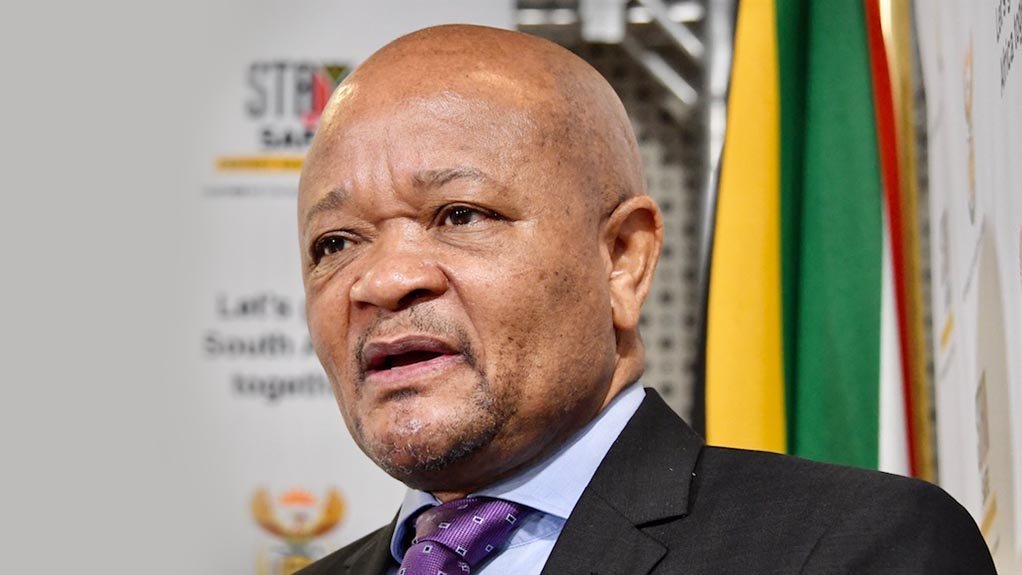
The Political Killings Task Team was once seen as a specialised weapon designed to confront South Africa’s most politically charged crimes. But this week, suspended Police Minister Senzo Mchunu painted a much darker picture of its evolution when he returned to testify at the Madlanga Commission of Inquiry.
For many watching the hearings unfold in Pretoria, the headlines alone stirred anxiety. In a country still healing from decades of state abuse and mistrust, any suggestion of systematic violations by law enforcement lands heavily with the public.
The Task Team That Outgrew Its Mandate
Speaking under oath, Mchunu told the commission that the PKTT had moved far beyond its original purpose of investigating politically motivated murders. Instead, he argued, it had become an entity operating with encroaching autonomy and questionable methods.
He said the unit had been “credibly accused of systematic human rights violations,” a line that has since dominated social media, with many South Africans questioning how such allegations could fly under the radar for so long.
Despite his December 2024 instructions to disband the team, his order was quietly sidelined. The National Police Commissioner kept the PKTT active, essentially overriding the minister’s authority and adding another layer of controversy to the saga.
A Culture At Odds With Democracy
One of Mchunu’s most troubling claims involved PKTT members allegedly concealing their identities during operations. According to him, officers wearing balaclavas while conducting high-stakes raids reflected a culture misaligned with democratic policing norms.
For many South Africans, the imagery is unsettling. It evokes memories of apartheid-era units that operated in shadows, untraceable and unaccountable. Civil society groups have already voiced concern, calling for greater oversight of specialised police units.
The Sarah Burger Case Triggers Public Outrage
Mchunu also referenced the arrest and detention of lawyer Sarah Burger, who accused PKTT officers of abusing their power after she exposed corruption at the University of Fort Hare. Her story has become symbolic of the broader mistrust in state institutions.
Online, users have rallied behind Burger, describing the allegations as another example of whistleblowers being punished rather than protected. The Fort Hare corruption saga has long drawn national attention, and this latest layer may fuel renewed scrutiny.
A Moment That Demands Answers
The commission’s hearings have reminded South Africans how fragile the balance is between security and accountability. While the PKTT was born out of necessity during periods of heightened political violence, Mchunu’s testimony suggests the mechanisms meant to protect democracy may have drifted into dangerous territory.
As the commission continues, South Africans are looking for clarity. Did the PKTT truly overstep its mandate? Why was the minister’s order ignored? And most importantly, how does a democracy rebuild trust when shadows still linger over those tasked with keeping the peace?
For now, only one thing is clear. The Madlanga Commission has become more than a formal inquiry. It is a test of whether South Africa can confront institutional failures with honesty and restore the public’s faith in justice.
{Source:EWN}
Follow Joburg ETC on Facebook, Twitter , TikTok and Instagram
For more News in Johannesburg, visit joburgetc.com