
News
Court orders urgent eviction from unsafe Melgisedek buildings in Pretoria
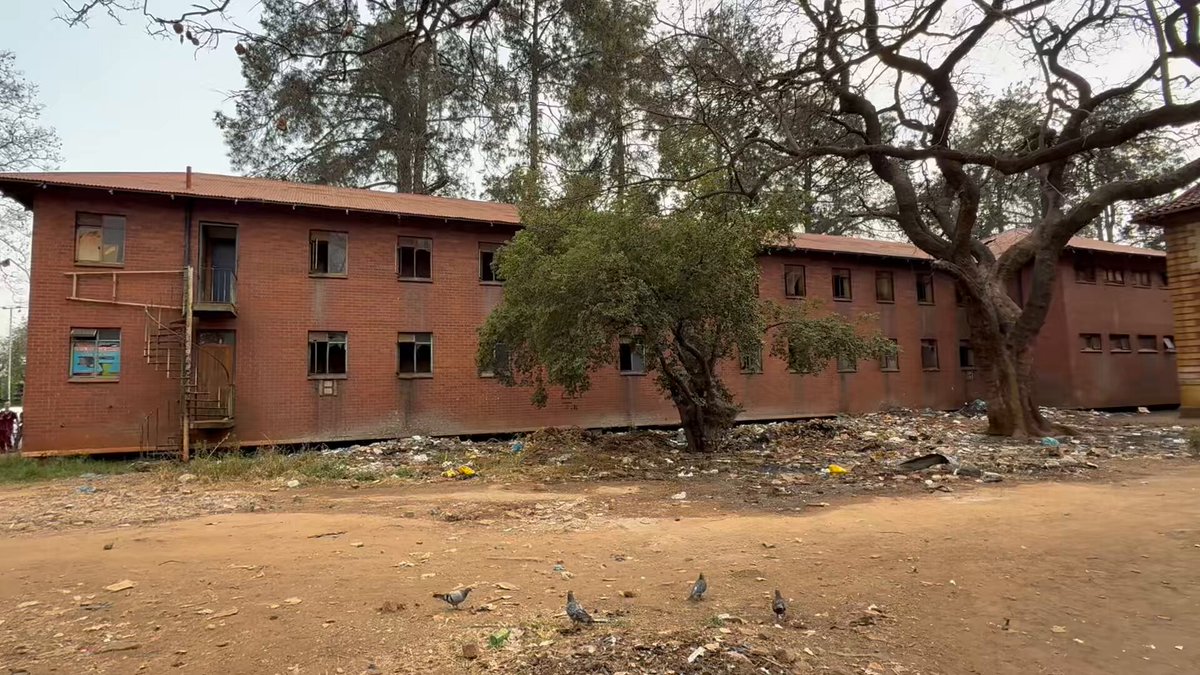
For years, the Melgisedek buildings in Pretoria’s Riviera have stood as a symbol of the complicated realities of urban housing. Now, after more than a decade of warnings, the Gauteng High Court has ordered residents to leave the property within seven days because officials say the structure is dangerously unsafe.
The ruling follows an urgent application by the City of Tshwane, which argued that the buildings pose such a serious risk that they could collapse at any moment.
For the hundreds of people who have called the property home, the decision has triggered fear, uncertainty, and anger.
A long-running housing problem
The Melgisedek complex has been on the city’s radar for years. Authorities previously declared it unfit for human habitation and had planned to relocate residents as far back as 2015.
Despite those intentions, the situation remained unresolved.
Municipal officials told the court they had struggled to access the buildings because residents opposed inspections and intervention efforts. Over time, the number of occupants grew. It is now estimated that around 450 people are living there, although the exact breakdown of women, children, and elderly residents is unclear.
Many of the residents say they have lived there for decades. Some moved in during the late 1990s after the former owner, Pretoria Technikon, vacated the premises. With few affordable housing options available, the abandoned structures gradually turned into a densely populated settlement.
Conditions described as a “health time bomb”
During court proceedings, authorities painted a bleak picture of the conditions around the buildings.
Officials said the property is surrounded by foul smells and infestations of mosquitoes, rodents, and flies. Water mixed with human waste is reported to run through parts of the area, creating serious health concerns.
The buildings themselves also lack electricity and running water.
Judge Holland Muter described the situation as extremely dangerous, warning that the site represents a “health time bomb.” The concern was heightened by the memory of a recent building collapse in Johannesburg that claimed several lives, reinforcing fears about what could happen if unsafe structures are left occupied.
A fire that broke out on the property last month further accelerated the city’s push for urgent action.
Temporary relocation plan
To address the immediate risk, the City of Tshwane has proposed relocating residents to open land roughly 2.4 kilometres away.
According to the municipality, tents previously used during the Covid-19 pandemic will be erected on the site to house displaced families temporarily. The city also told the court that the relocation area will provide water access and at least ten chemical toilets.
Officials emphasised that this arrangement is meant to be short-term while longer-term housing solutions are explored. South African residents who qualify are expected to eventually be considered for government housing programmes.
Still, questions remain about how long people might have to live in the temporary settlement.
Residents push back
Many residents have strongly opposed the eviction order.
They argue that tents are not a suitable alternative to the homes they have built inside the old complex over many years. Some have raised concerns about where they will store furniture and belongings accumulated during decades of living there.
For long-term residents such as Mokgadi Moshakgo, the buildings represent more than just shelter. She says she has lived at Melgisedek since 2008, while others have been there since the late 1990s.
Despite the difficult conditions, the community has formed deep roots in the area.
For them, leaving the complex means losing a place that has become home.
Legal battle may not be over
Although the court has ordered residents to vacate the buildings within seven days, the situation may not be settled yet.
Shortly after the judgment was delivered, residents indicated they intend to appeal the ruling. An application for leave to appeal is expected to be heard on Friday.
Until then, the future of the Melgisedek buildings and the people living inside them remains uncertain.
The case once again highlights the difficult balance South African cities face between protecting lives from unsafe structures and addressing the chronic shortage of affordable housing.
Follow Joburg ETC on Facebook, Twitter, TikT
For more News in Johannesburg, visit joburgetc.com
Source: IOL
Featured Image: X (formerly known Twitter)/@nasiphim


