Ongoing tensions in the Middle East have significantly disrupted global business travel, grounding key routes and driving up costs for South African travellers, according to Corporate Traveller.
The Disruption
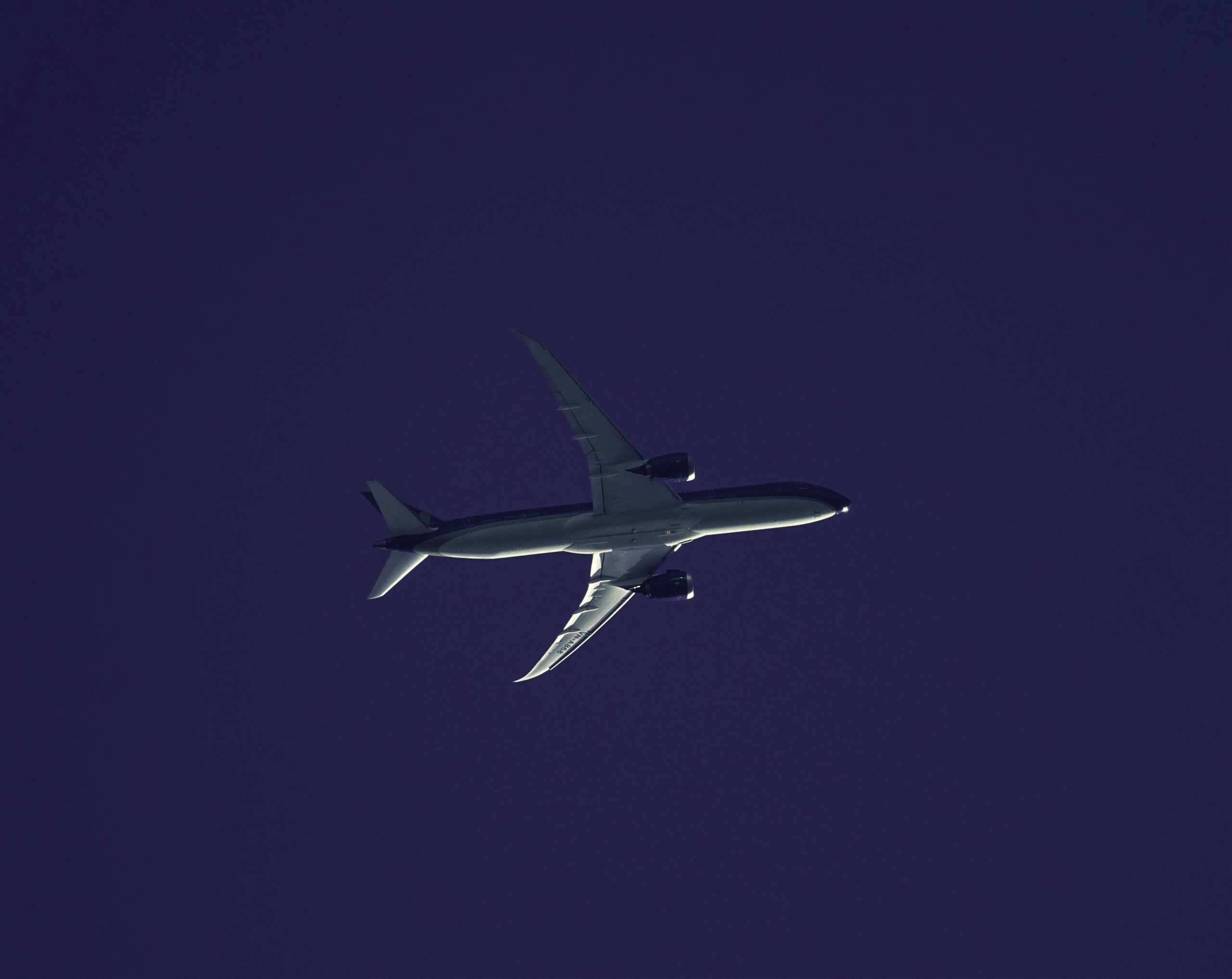
At the height of the crisis on 28 February , major long-haul carriers including Emirates, Etihad Airways, and Qatar Airways were forced to halt operations due to airspace closures, leaving thousands of passengers stranded across key transit hubs such as Dubai, Abu Dhabi, and Doha.
While operations have gradually resumed in recent weeks, the travel environment remains fragile.
Emirates has restarted flights, currently operating two daily services from Johannesburg and one from Cape Town , with plans to resume Durban routes soon.
The Cost Impact
According to Herman Heunes , general manager for Corporate Traveller, fares are climbing for several reasons:
-
Supply and demand
-
Rising oil prices
-
Longer flight paths and associated operational costs as airlines avoid restricted airspace
-
Increased operational expenses, including insurance premiums, passed on to travellers
Alternative hubsincluding Addis Ababa, Singapore, and various European gateways are growing in popularity as travellers seek non-Gulf routings, further compressing available capacity and driving up last-minute prices.
Alternative Airlines
Corporate Traveller’s latest booking data shows a spike in sales for:
-
Ethiopian Airlines
-
British Airways
-
Virgin Atlantic
-
Lufthansa
-
KLM
-
Air France
-
Singapore Airlines
-
Cathay Pacific
-
Air China
Travel Insurance and War Exclusions
Jason Veitch , business head for accident and health at Santam Travel Insurance (formerly TIC), said that war is a universal exclusion across all travel insurance products globally.
“It’s not unique to South Africa, any single insurer, or indeed the travel industry. War exclusions exist because the scale of conflict can affect hundreds of thousands of travellers simultaneouslyand no insurance pool can absorb that.”
But while war exclusions apply to trip cancellation and curtailment, medical cover remains in place.
“The main reason for travel insurance is actually medical. And that’s what sometimes gets lost in these conversations. Medical cover is still available. Luggage cover is still available. Other benefits are still available. We have had policyholders in hospitals in the region being cared for under their travel insurance.”
Airlines’ Obligations
Heunes said airlines have clear obligations to passengers:
-
If your flight is cancelled before departure: You are entitled to an alternative flight or a full refund, with no penalties.
-
If you are stranded mid-journey: The airline must rebook you, reroute you through partner carriers, and accommodate you until you reach your final destination.
“Emirates, Etihad, and Qatar have handled an extraordinarily difficult situation with real professionalism. Extended call centre hours, regular updates, and clear communication with agentsthey’ve worked hard to keep the trade informed and to process changes and refunds as quickly as possible.”
The Bottom Line
The Gulf crisis has upended business travel. Routes are disrupted. Costs are climbing. Insurance won’t cover war-related cancellations.
Travel is resumingbut the new normal is longer routes, higher fares, and a fragile environment.