Business
Could South Africa face a petrol shortage if the Middle East conflict drags on?
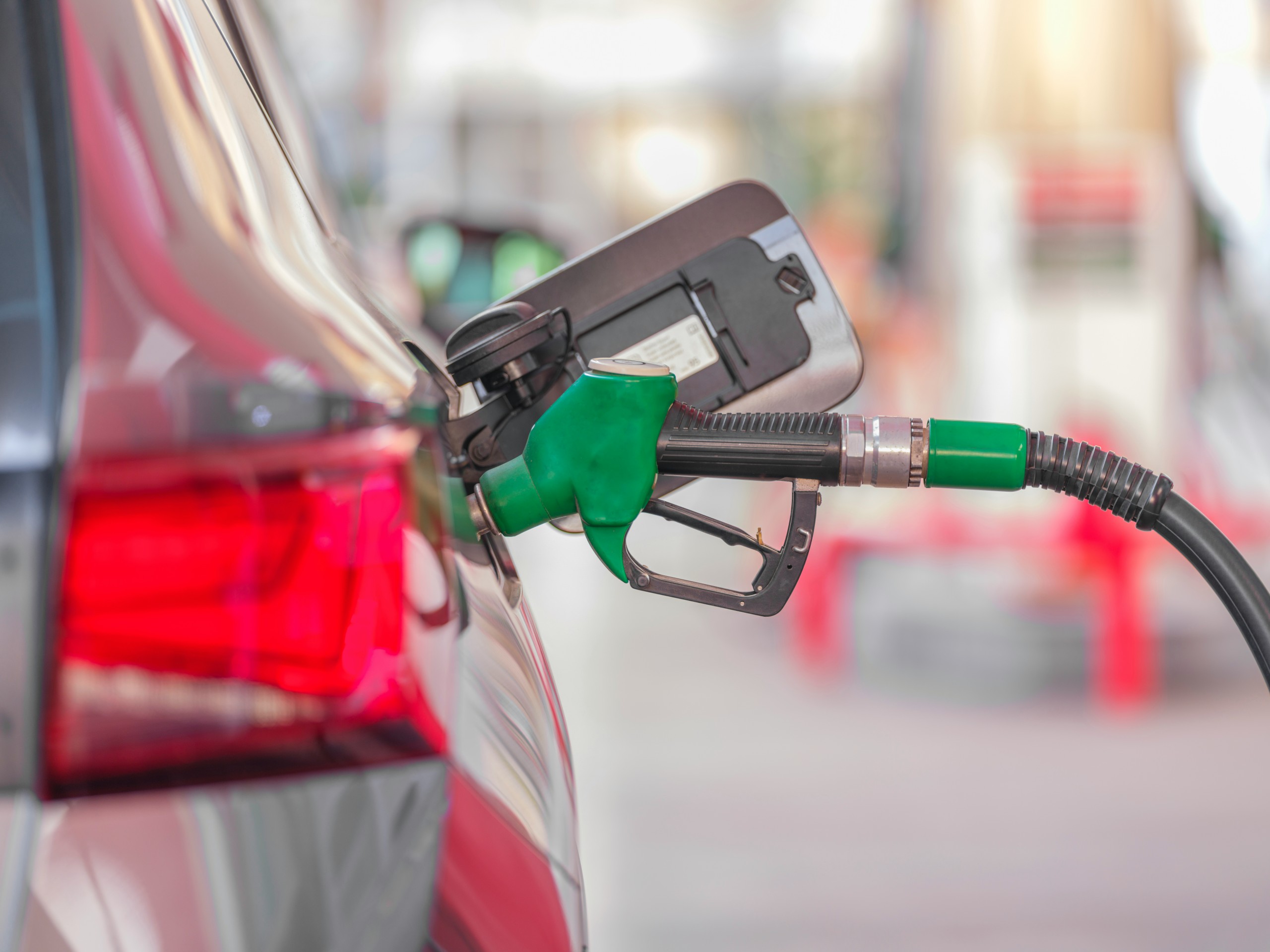
South Africans are used to hearing the phrase “load shedding.” Now another worrying term is creeping into conversations: petrol shedding.
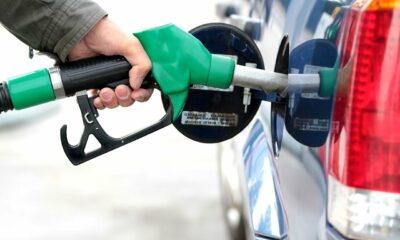
As tensions in the Middle East continue to escalate, economists and industry observers are warning that South Africa could soon feel the impact at the pump. The immediate concern is price. Petrol could rise by between R4 and R6 per litre if global oil markets remain volatile. But some analysts say the bigger risk lies elsewhere. If supply routes remain disrupted for long enough, South Africa could face an actual shortage of fuel.
That possibility may sound dramatic. Yet history shows it has happened before.
A crisis South Africa has seen before
The world last faced something similar during the 1973 oil crisis, triggered by the Arab Israeli war. Oil-producing nations halted exports, sending shockwaves through global energy markets.
Fuel stations across the world saw long queues as supplies tightened. South Africa was no exception. The country was forced to implement strict emergency measures. Fuel sales were banned at night and over weekends, and the national speed limit was reduced to 80 kilometres per hour to conserve petrol.
At the time, the government maintained substantial strategic reserves through the Strategic Oil Fund and had more local refining capacity to process crude oil. Today, the situation looks very different.
Why South Africa is more vulnerable now
South Africa now relies heavily on imported refined fuel. Several domestic refineries have shut down over the years, leaving the country more dependent on international suppliers.
A large portion of those supplies comes from the Gulf region, particularly the United Arab Emirates. That dependency has become a concern as tanker traffic through the Strait of Hormuz, one of the world’s most critical oil shipping routes, slows due to tensions involving Iran.
According to DA spokesperson on mineral and petroleum resources James Lorimer, the situation could become serious if disruptions continue for an extended period.
If the slowdown lasts only a few weeks, the country may manage without major disruptions. But if it stretches to several months, South Africa’s fuel supply chain could come under significant pressure.
Lorimer also pointed out that public information about national fuel reserves is limited, making it difficult to fully assess the level of risk.
Price hikes may come first
Even if a full shortage does not materialise, rising petrol prices appear increasingly likely.
Wayne Duvenage, CEO of the Organisation Undoing Tax Abuse, believes price pressure is the more immediate threat. South Africa’s petrol price is closely tied to global oil prices and the strength of the rand against the US dollar.
Taxes and levies also make up a large portion of what motorists pay at the pump. Nearly half of the petrol price consists of government charges, while the underlying fuel cost is determined by international oil markets.
If oil prices surge, South Africans could feel the impact quickly through higher fuel costs.
Why workers and businesses are worried
Higher fuel prices ripple through the entire economy.
Martlé Keyter, chief executive of operations at the Motor Industry Staff Association, says repeated petrol price increases place additional pressure on workers and businesses alike.
For dealerships, workshops, and transport operators, fuel is a major operating cost. Rising prices can make it more expensive to deliver vehicles, parts, and services, squeezing profit margins.
Workers often feel the strain even more sharply. Many South Africans rely on public transport, and fuel price increases tend to translate into higher taxi and bus fares.
When transport costs climb, household budgets are often the first casualty.
Inflation could follow
Economists say the consequences could stretch far beyond petrol stations.
Higher oil prices tend to push up the cost of diesel and fertilisers, which in turn increases the price of goods across the economy. That chain reaction can fuel inflation and potentially lead to higher interest rates.
Economist Dawie Roodt says the global energy shock could disrupt what had recently looked like a relatively stable economic outlook.
In his view, the situation could still improve if tensions ease. But if the conflict escalates further, the financial pressure on economies like South Africa could intensify.
South Africans watching events unfold abroad
While the economic consequences are being debated at home, South Africans living in the Middle East are closely monitoring events on the ground.
One South African currently working in Abu Dhabi said daily life continues despite occasional missile alerts.
According to the individual, many expatriates remain calm and continue their routines, gathering at local restaurants and workplaces while keeping an eye on developments.
The sense from those on the ground is that life goes on, even as global markets react to the uncertainty.
For South Africa, the bigger picture
For now, there is no confirmation that South Africa will face a fuel shortage. Major suppliers such as Sasol say operations continue as normal and that contingency plans are in place to manage market volatility.
Still, the conversation itself reveals something deeper about South Africa’s current energy landscape. With fewer refineries and heavy reliance on imported fuel, the country has become more exposed to global disruptions than it once was.
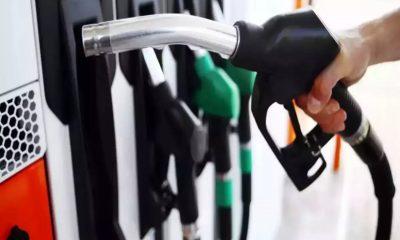
If the Middle East conflict stabilises, the worst-case scenario may never materialise. But if tensions persist, South Africans could soon feel the impact in the most familiar place of all: the petrol pump.
Follow Joburg ETC on Facebook, Twitter, TikT
For more News in Johannesburg, visit joburgetc.com
Source: The Citizen
Featured Image: NovaNews