News
Explosions in Tehran, missiles over Israel and rising global tensions: What happened overnight in the Middle East war
Explosions in Tehran, missiles over Israel and rising global tensions
Another tense night in the Middle East has brought fresh missile strikes, explosions in major cities and growing fears of a wider global crisis.
From Tehran to Tel Aviv and Beirut, the conflict between Iran and Israel, with the United States deeply involved, is rapidly widening in scope. New developments overnight also drew in countries far beyond the region, with warnings about shipping, oil supplies and potential military escalation.
Here’s a breakdown of the key developments that unfolded while much of the world slept.
Explosions rock Tehran as Iran activates air defences
Residents in Iran’s capital woke to the sound of blasts early Thursday morning.
Iranian media outlets reported several explosions in Tehran, with authorities confirming that the country’s defence systems had been activated. Details about the targets were not immediately clear, but the reports added to the sense that the conflict is intensifying inside Iran itself.
The explosions come as tensions between Iran and Israel continue to escalate following days of missile exchanges and air strikes.
Fresh Iranian missile strikes trigger alerts in Israel
In response to the latest developments, Iran launched another wave of missiles toward Israel overnight.
Air raid warnings sounded across several parts of the country, including Tel Aviv. Journalists on the ground also reported explosions being heard in Jerusalem.
Despite the alarms, Israeli emergency services said there were no confirmed casualties from the strikes.
The overnight barrage adds to a growing pattern of tit-for-tat attacks that analysts say could push the region toward a broader confrontation.
Israeli air strikes hit Hezbollah areas in Beirut
Meanwhile, Israeli military operations continued in Lebanon.
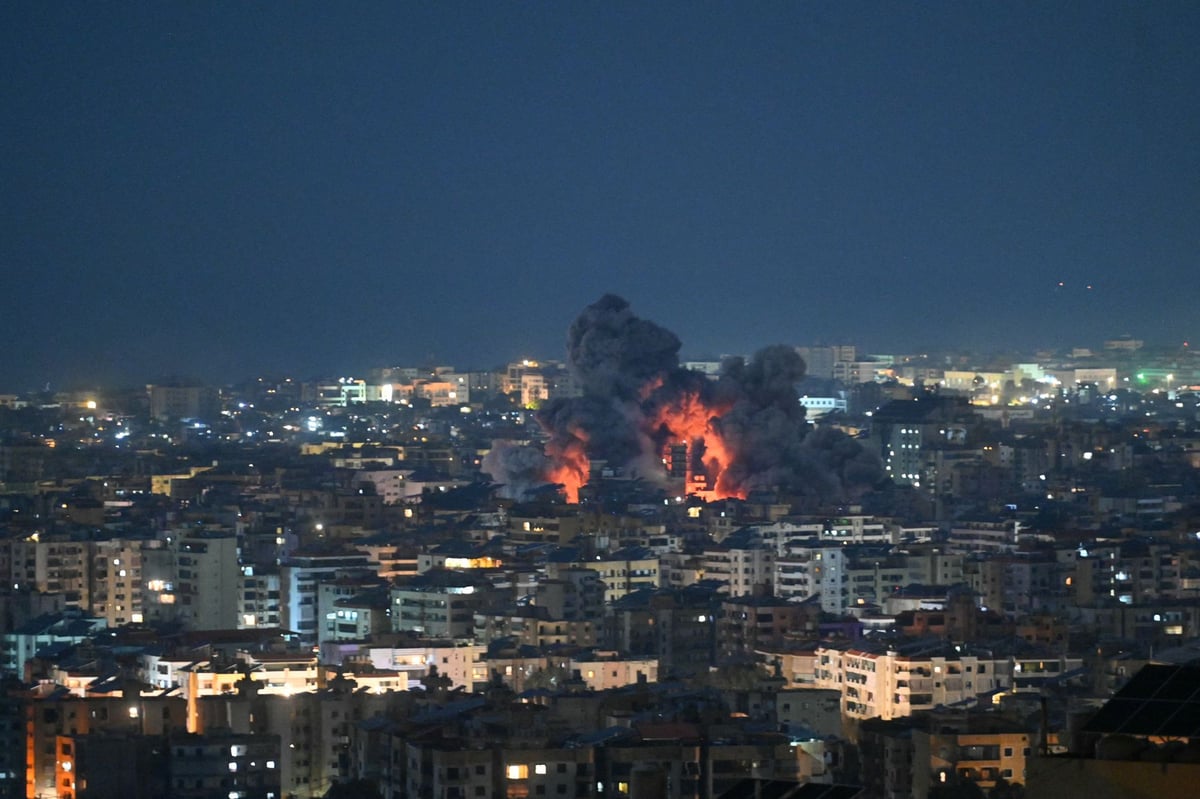
An air strike targeted an area in southern Beirut known as a stronghold of Hezbollah, shortly after Israel warned residents to evacuate.
Elsewhere along Beirut’s airport highway, two separate strikes on vehicles reportedly killed three people, according to Lebanon’s health ministry.
The developments highlight how the conflict is spreading beyond Israel and Iran, drawing Lebanon further into the crisis.
Explosion near Kuwait tanker triggers oil spill
Another alarming incident occurred in waters near Kuwait.
A tanker anchored near the Mubarak Al-Kabeer area reported witnessing a large explosion nearby, followed by a small craft leaving the scene. The blast caused an oil spill in the surrounding waters.
Maritime security officials are still investigating what caused the explosion, but the event has intensified concerns about shipping safety across the Gulf.
Tensions rise around the Strait of Hormuz
Much of the world’s attention is now fixed on the Strait of Hormuz, one of the most critical oil shipping routes on the planet.
Iran has warned vessels against using the narrow channel, while the United States has signalled that its navy is ready to escort tankers if necessary.
Adding to the chaos, the Omani navy rescued 24 crew members from a container ship struck by missiles in the strait.
Global shipping giants including Maersk and Hapag‑Lloyd have already suspended bookings in the Gulf due to the growing security risks.
For oil-dependent economies, including many in Asia, any disruption to the route could have serious consequences.
NATO intercepts missile heading toward Turkish airspace
The conflict also nearly spread into Europe’s security sphere overnight.
Turkish officials confirmed that NATO air defence systems destroyed a ballistic missile launched from Iran that had entered Turkish airspace via Iraq and Syria.
Authorities believe the missile may have been aimed at a military base in Greek Cyprus but veered off course.
The incident prompted Turkey to summon Iran’s ambassador for urgent talks.
Political tensions grow as global leaders react
Political reactions to the escalating war have been equally dramatic.
Donald Trump praised the United States’ role in the conflict, claiming the campaign against Iran was going exceptionally well.
On the Israeli side, the office of Benjamin Netanyahu said Washington and Israel had achieved “historic gains” through their military cooperation.
Meanwhile, the US Senate narrowly rejected a bipartisan effort to limit Trump’s authority to continue strikes on Iran.
Other countries are also positioning themselves carefully. Canadian Prime Minister Mark Carney said his country could not rule out joining the war effort, while Spain insisted it would not allow its bases to be used in the conflict despite claims from Washington.
China steps in with mediation effort
As tensions spiral, China has signalled it wants to play a diplomatic role.
Foreign Minister Wang Yi announced that Beijing will send a special envoy to the Middle East in an attempt to mediate between the parties.
China maintains close ties with Iran and has urged both the United States and Israel to halt their attacks.
Social media fears of a wider war
Online reaction to the overnight developments has been intense.
Across platforms like X and TikTok, hashtags related to the Middle East war have been trending as people share footage of explosions, missile interceptions and evacuation warnings.
Many users are expressing concern that the conflict could expand further, particularly if global powers become more directly involved.
With shipping disrupted, oil prices rising and new military actions unfolding across multiple countries, the events of the past 24 hours have reinforced a growing fear: the war may be entering a far more dangerous phase.
{Source: The Citizen}
Follow Joburg ETC on Facebook, Twitter , TikTok and Instagram
For more News in Johannesburg, visit joburgetc.com