News
Civic group warns rising joblessness could ignite xenophobic tensions
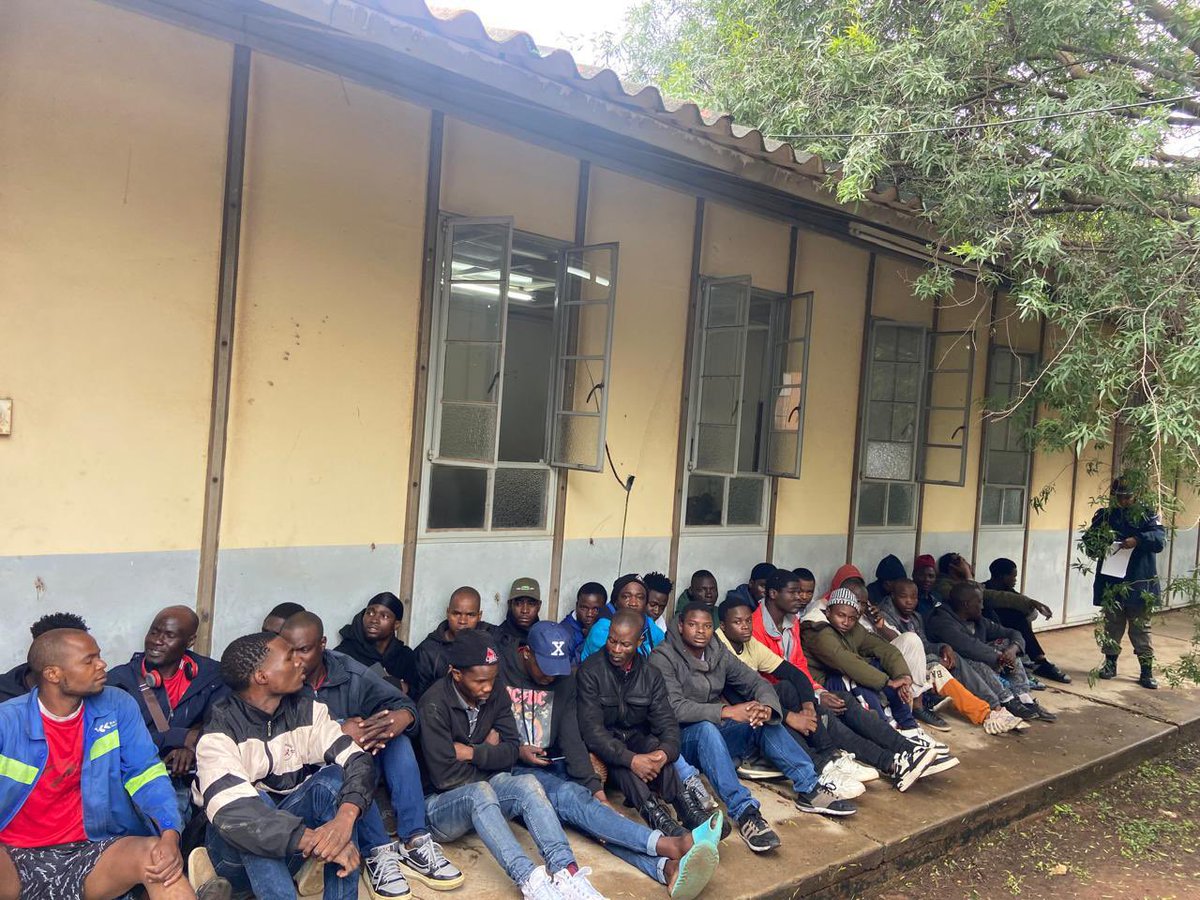
Civic group warns rising joblessness could ignite xenophobic tensions
There’s a growing unease in parts of South Africa’s townships and industrial zones a frustration that simmers in taxi ranks, factory floors and community meetings.
Now, a newly formed civic body aligned with the uMkhonto weSizwe Party says that frustration could boil over into outright xenophobia if urgent action isn’t taken.
The Labour and Civic Organisation (LACO) has sounded the alarm, warning that high unemployment and alleged exploitation of undocumented foreign workers are creating what it calls a “ticking time bomb”.
“Fix unemployment, fix crime”
LACO spokesperson Mthobisi Shinga argues that employers are overlooking a simple but powerful link: joblessness and crime move together.
According to Shinga, if businesses prioritised hiring South Africans and ensured fair working conditions, tensions in communities would ease. Without that, he fears anger will find a target and that target could be foreign nationals.
Importantly, he insists the organisation is not calling for foreigners to be expelled. “They are our brothers and sisters from Africa,” he says. But, he argues, struggling South Africans must be prioritised in an economy where jobs are scarce.
It’s a delicate line to walk in a country with a painful history of xenophobic violence, including deadly outbreaks in 2008 and 2015.
A confrontational style or lawful activism?
Since bursting onto the scene last August, LACO has made headlines for confronting businesses it accuses of labour violations, particularly around the hiring of undocumented workers.
Its most recent flashpoint was a warning issued to China Mall in Springfield Park, threatening a shutdown if more locals were not employed.
Some business owners have pushed back sharply, accusing LACO of overstepping its authority. One Durban business owner complained that the group has no legal mandate to enter private premises and question employment practices.
Shinga disputes the portrayal of his organisation as aggressive.
He says LACO follows a process: receiving complaints, contacting owners via email or phone, requesting meetings, and only mobilising pickets if communication fails. According to him, protest action is a last resort and within the bounds of the law.
Still, videos of members confronting businesses have circulated widely on social media, drawing mixed reactions. Some users applaud the group for “standing up for locals.” Others warn that such tactics risk fuelling anti-foreigner sentiment in already volatile communities.
The sweatshop allegations
One of LACO’s most serious claims relates to factories in Newcastle, KwaZulu-Natal.
Shinga alleges that in some facilities, workers many of them undocumented foreigners earn as little as R250 a week, live on site and are effectively confined to the premises. He describes conditions that resemble sweatshops, with workers dependent on factory-provided meals and unable to leave freely.
Factory owners, he says, argue that major retailers only pay R15 per T-shirt a price that has allegedly not increased in years squeezing margins and pushing labour costs down.
If true, it paints a picture of a broken supply chain: retailers demanding rock-bottom prices, factories cutting corners to survive, and vulnerable workers both foreign and local paying the price.
It also complicates the narrative. The issue may not be nationality alone, but the economics of low-cost manufacturing in a struggling economy.
Political undertones ahead of elections
LACO’s activism comes as local government elections approach. The MK Party is hoping to expand its footprint in key metros, including eThekwini.
Shinga, a former Fees Must Fall activist and one-time member of the Economic Freedom Fighters, is confident that MK will perform strongly. As a civic body aligned with the party, LACO is mobilising communities on worker issues while also shaping the broader political conversation.
The organisation is not a registered trade union, but Shinga says it collaborates with unions in legal matters. It is also moving toward a more formal membership structure, with a proposed monthly fee of R50.
Walking a dangerous line
South Africa’s unemployment crisis is deep and structural. Youth unemployment, in particular, remains staggeringly high. In many communities, foreign-owned spaza shops and small factories are visible symbols of economic competition fair or not.
The danger, analysts warn, is that anger over economic exclusion can quickly morph into hostility toward migrants.
LACO says its aim is worker justice, not division. But its warning that “xenophobia is brewing” reflects a fragile national mood.
The challenge now is whether business leaders, policymakers and civic groups can address the root causes poverty, weak enforcement of labour laws, and stagnant growth before frustration spills into violence once again.
South Africa has been here before. The hope is that this time, the warning signs are taken seriously.
{Source: IOL}
Follow Joburg ETC on Facebook, Twitter , TikTok and Instagram
For more News in Johannesburg, visit joburgetc.com