MK Party says it won’t be rushed in Joburg mayoral contest
Johannesburg’s mayoral race is already crackling with political energy and we’re still months away from ballots.
Posters are going up. Social media debates are heating up. Talk radio is buzzing. But while other parties rush to put faces to their campaigns, the uMkhonto weSizwe Party (MK Party) insists it’s not losing sleep.
In fact, it says it’s right on schedule.
“We won’t be pressured”
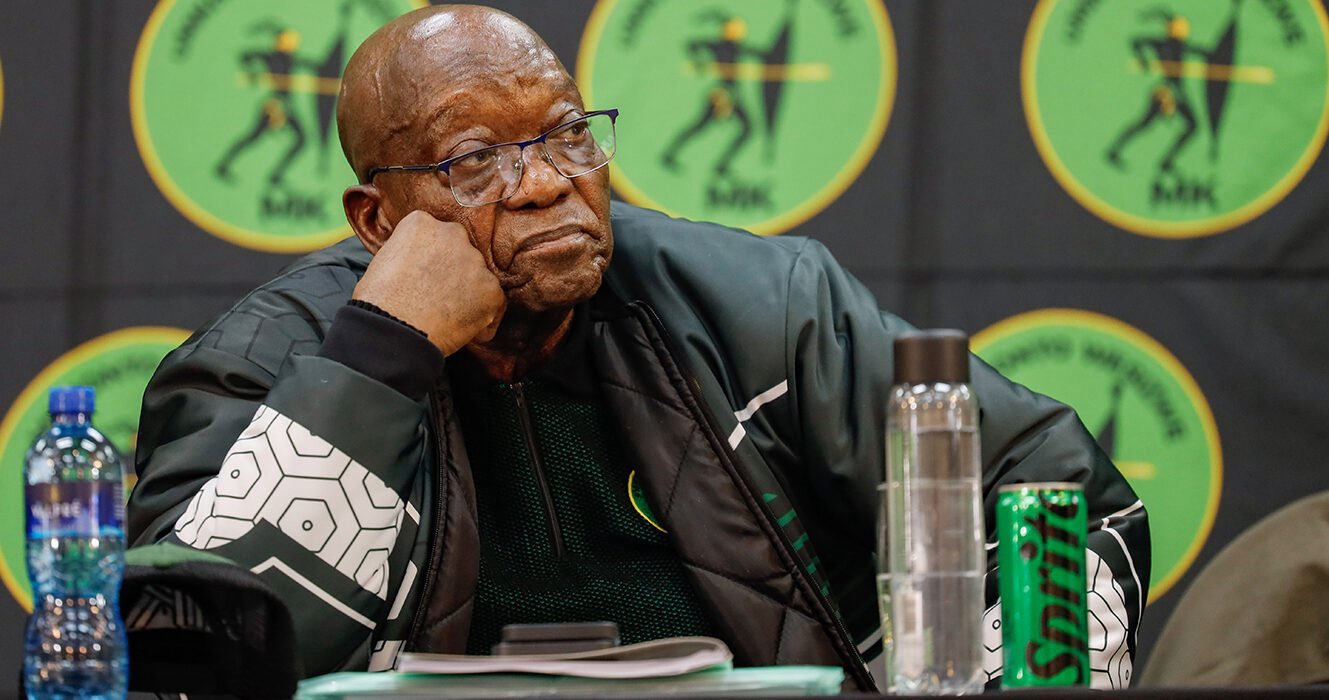
MK Party’s Gauteng spokesperson, Abel Tau, says the party is sticking to its own internal processes and won’t be hurried just because rivals have already unveiled their candidates for the City of Johannesburg.
He confirmed that the party will announce its mayoral pick before April, but not a day sooner just to match competitors.
In a race that’s quickly becoming crowded, that’s a deliberate move.
The field is taking shape
So far, three high-profile names have officially entered the contest.
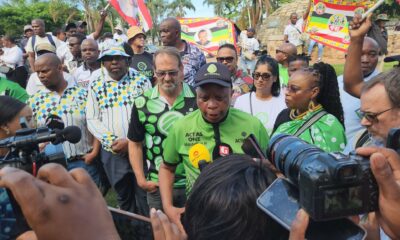
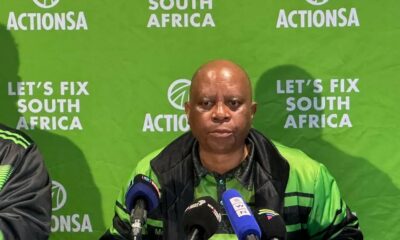
Herman Mashaba has been named as ActionSA’s candidate. The former Johannesburg mayor, who served from 2016 to 2019, was unveiled at Orlando Community Hall in Soweto, a symbolic location in a city where political theatre matters.
The Democratic Alliance has put forward federal council chairperson Helen Zille, while the Patriotic Alliance has chosen its deputy president Kenny Kunene, who currently serves as MMC for transport in the metro.
The African National Congress, meanwhile, is keeping its cards close to its chest. The party says its National Executive Committee will announce metro candidates by March 2026. Whether incumbent mayor Dada Morero remains the face of the campaign is still unclear, though regional chairperson Loyiso Masuku is also a prominent figure in local structures.
A city crying out for stability
All of this political positioning is unfolding against a grim backdrop.
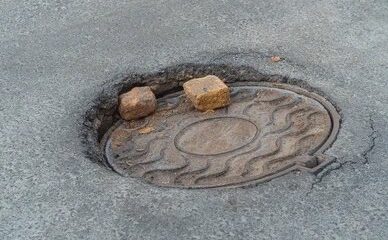
Johannesburg residents are grappling with persistent water outages, electricity disruptions, crater-sized potholes, broken traffic lights and refuse that lingers on pavements far too long. In suburbs and townships alike, frustration runs deep.
On X (formerly Twitter) and community WhatsApp groups, the mood is less about personalities and more about performance. “Just fix the city,” one user posted this week. Another wrote: “We don’t need slogans. We need working robots and running water.”
It’s into this frustration that parties are stepping.
MK Party’s pitch: collective leadership
Tau says the MK Party believes in a merit-based, collective leadership model. The party has opened a window for expressions of interest and insists its candidate will emerge through a formal internal process, not through backroom deals or sudden appointments.
He also confirmed that mayoral candidates for Johannesburg, Tshwane and Ekurhuleni will likely be announced together before April.
The message is clear: patience now, reveal later.
Sharp words for rivals
Tau did not mince his words when speaking about opponents.
He argued that some candidates are disconnected from the lived realities of Johannesburg residents. He questioned whether leaders associated with other provinces or past administrations fully grasp the complexity of governing a city as diverse and cosmopolitan as Joburg.
On Mashaba specifically, Tau suggested that the city needs long-term commitment rather than short stints in office. And on the ANC, he implied that changing faces would not automatically resolve deeper structural problems within the party.
It’s tough rhetoric but hardly surprising in a race where positioning is everything.
The bigger political gamble
The MK Party’s decision to delay its announcement could be strategic. By waiting, it avoids early scrutiny and keeps opponents guessing. It also allows the party to read voter sentiment as service delivery frustrations mount.
But there’s risk too. In a city where visibility matters, being last out of the gate can mean playing catch-up.
Johannesburg has become the ultimate coalition battleground. Since 2016, the metro has seen shifting alliances, motions of no confidence and political instability that have slowed governance. Voters are wary of more turbulence.
As one political analyst put it on a recent radio panel: “The next mayor doesn’t just need votes they need staying power.”
Whether the MK Party’s eventual candidate fits that description remains to be seen. What is certain is that Johannesburg’s 2026 local election won’t just be about party colours. It will be about who convinces residents they can finally make Africa’s richest city work again.