News
Mojtaba Khamenei named Iran’s new supreme leader amid regional tensions
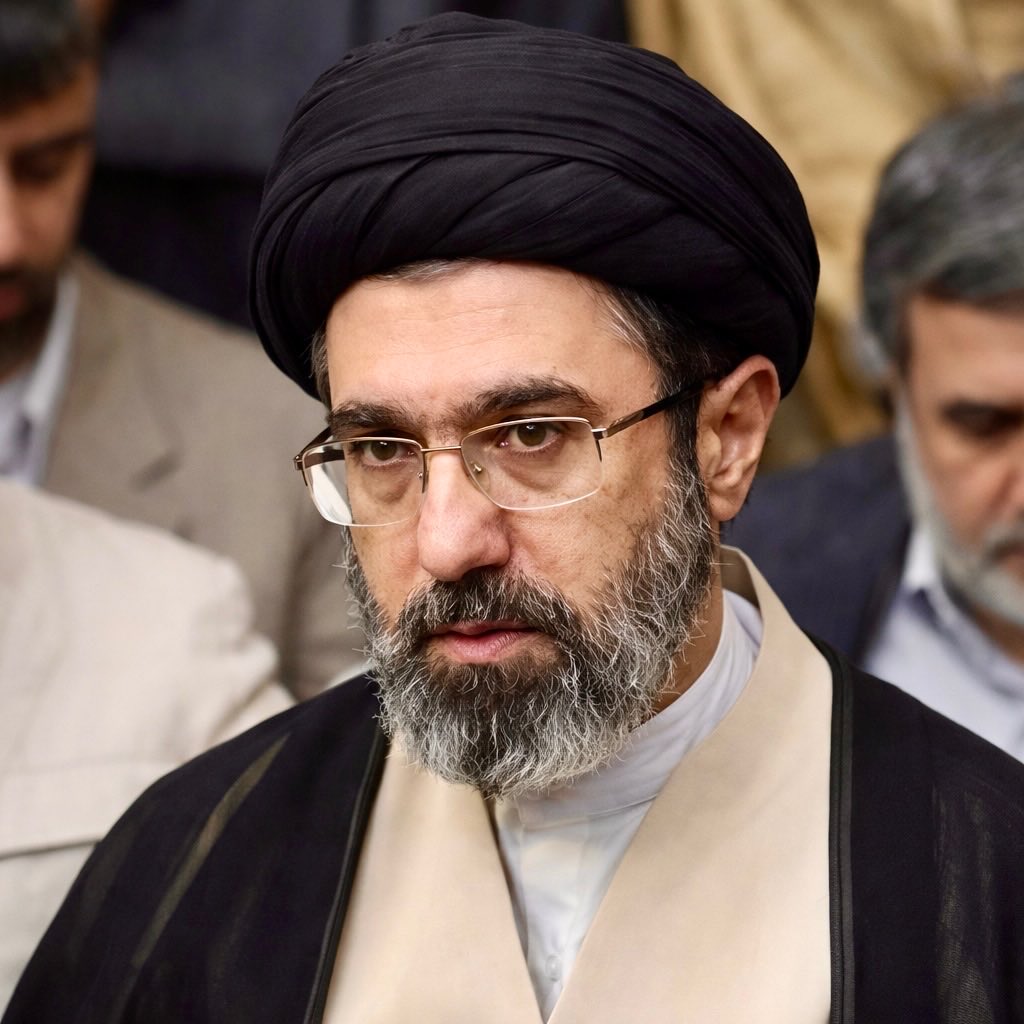
Mojtaba Khamenei named Iran’s new supreme leader amid regional tensions
Iran has officially named Mojtaba Khamenei, the son of the late Ali Khamenei, as the country’s third supreme leader, marking a continuation of the Islamic Republic’s hardline leadership during a volatile period in the Middle East. The announcement came from the Assembly of Experts, Iran’s top clerical body, shortly after midnight on Monday (2030 GMT Sunday).
From the shadows to the spotlight
Mojtaba Khamenei, 56, has long been a figure of speculation both inside Iran and internationally. Despite holding no formal government post during his father’s rule, analysts suggest he wielded considerable influence behind the scenes, particularly through his ties with the Islamic Revolutionary Guard Corps (IRGC).
The IRGC quickly pledged allegiance to the new leader, and endorsements poured in from President Masoud Pezeshkian, the armed forces, and Iran’s judiciary within hours of the appointment.
Known for his discretion at official events and in media appearances, Khamenei’s rise has prompted questions about power consolidation and the influence of family networks in the Islamic Republic.
A controversial legacy and Western scrutiny
Born on September 8, 1969, in the holy city of Mashhad, Mojtaba is the only one of Ali Khamenei’s six children to hold a public position. His past includes service in the Iran-Iraq War of the 1980s and involvement with Iranian security forces, which drew sanctions from the United States in 2019.
According to the US Treasury, Khamenei worked closely with his father to advance “destabilising regional ambitions and oppressive domestic objectives,” despite never being formally elected to a government role.
He has also faced accusations of participating in the violent crackdown on protesters following Mahmoud Ahmadinejad’s 2009 re-election, a period that saw widespread civil unrest.
Wealth, property, and influence
Investigations, including a Bloomberg report citing Western intelligence sources, suggest Mojtaba Khamenei has amassed wealth exceeding $100 million, with assets in luxury British real estate, European hotels, and Dubai properties via shell companies in tax havens.
On the religious front, Khamenei studied theology in Qom, the hub of Iran’s clerical establishment, and taught there, holding the rank of Hujjat al-Islam before being elevated to Ayatollah upon his appointment.
Tragedy has also touched his family: his wife, Zahra Haddad-Adel, died in the US-Israeli airstrikes that killed his father, Ali Khamenei, on February 28, the incident that escalated the current Middle East conflict.
Regional and international response
Israel issued a stark warning to Mojtaba Khamenei and the clerics who selected him:
“The hand of the State of Israel will continue to follow any successor and anyone who seeks to appoint a successor.”
Observers note that this transition, while maintaining continuity, represents a rare instance of near-hereditary succession in a republic that formally rejects dynastic rulea stark contrast to the Islamic Revolution’s founding principles in 1979.
The Assembly of Experts, which elected Khamenei, has 88 members and has overseen only two leadership transitions: Khamenei’s own appointment in 1989 after Ayatollah Khomeini’s death, and now this week.
Mojtaba Khamenei’s appointment consolidates conservative power at a time of intense international scrutiny and regional instability. Analysts warn that his close ties to security forces and discreet handling of power could shape Iran’s domestic policies and its role in the escalating Middle East conflict for years to come.
Social media in the region reflects a mix of anxiety and cautious observation, with citizens and diplomats alike trying to gauge what this succession means for Iran’s political trajectory.
For now, Mojtaba Khamenei steps into the same position held by his father for decades, promising continuity, hardline governance, and a cautious but potentially aggressive foreign policy as the region braces for the next chapter in the ongoing conflict.
{Source: IOL}
Follow Joburg ETC on Facebook, Twitter , TikTok and Instagram
For more News in Johannesburg, visit joburgetc.com