News
South Africa Reconsiders the 30% Pass Mark: Why MPs Say It’s Time to Raise the Bar
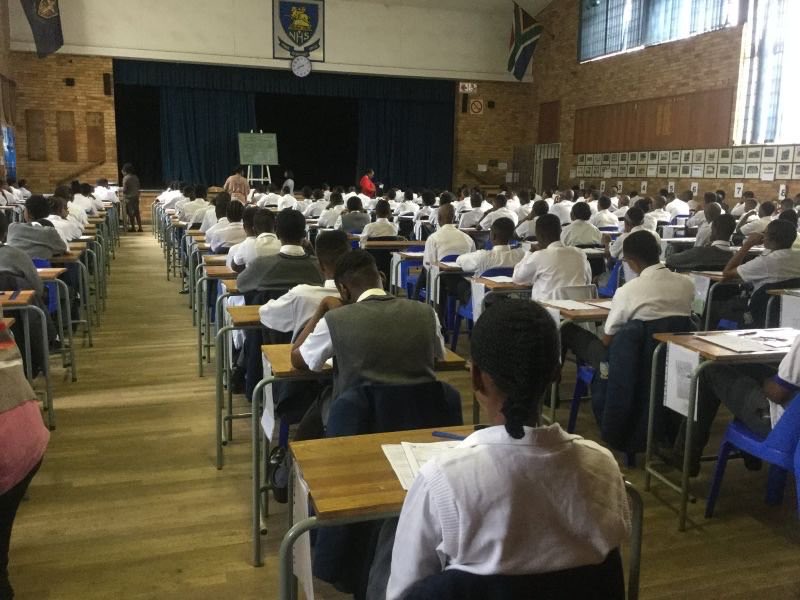
South Africa Reconsiders the 30% Pass Mark
MPs set to vote on whether it’s time to finally raise the bar for matriculants
South Africa’s long-running debate about the 30% matric pass mark, a policy that has divided parents, teachers, and political parties for years is finally coming to a head. MPs are expected to vote on Tuesday on whether the country should scrap the controversial threshold and chart a new path for educational standards.
For many, this moment feels overdue. For others, it feels like a reckoning.
We have a crisis in our education system and the department acts like everything is fine. Everything is not fine.
Not only do we have pass marks as low as 30%. We also have low average marks for maths, physical science and other core subjects. Look carefully at this data. pic.twitter.com/LNwgL0sA1L
Mmusi Maimane MP (@MmusiMaimane) November 28, 2025
A country asking whether 30% is good enough
Across South African households, the conversation has intensified. On talk radio, callers argue that allowing pupils to pass with 30% sends the message that excellence is optional. On social media, parents say the policy has lowered the national bar so much that young people are being pushed through the system rather than prepared for the future.
And in Parliament, one voice has been louder than most: Mmusi Maimane, leader of Build One SA (BOSA).
Today at a glance: Hon. Sihle Ngubane expressed frustration and recommended a reform of the Senior Certificate minimum pass requirement as it lessons our people chances to getting better jobs, and also being competitive in the workplace both home and abroad, at the NA… pic.twitter.com/PDPZacJmwT
MK Party in Parliament (@MKParliament) November 28, 2025
Maimane pushes for a higher standard, starting with 50%
For years, Maimane has criticised the 30% benchmark as an embarrassment, not just academically, but morally.
“No one can be proficient in any subject by getting just over 30%,” he argued.
“It sets expectations low; it tells teachers this is all they must do.”
BOSA has formally tabled a motion calling for the minimum pass mark to be raised gradually to 50%, a shift Maimane believes would bring South Africa closer to global education standards. During a recent mini-plenary debate, several parties signalled their support.
He didn’t mince his words either. Referencing G20 peers, Maimane accused government of clinging to a policy that leaves young South Africans uncompetitive.
Support grows across party lines
Interestingly, backing for the proposal is not limited to BOSA or traditional education reform advocates.
The uMkhonto weSizwe (MK) Party also expressed support, but with a different angle: raising standards must go hand-in-hand with addressing inequality.
MK’s Sihle Ngubane put it bluntly:
“When we tell learners that 30% is enough, we ignore 70% of their potential.”
“Education must help children reach their full potential, not normalise mediocrity.”
His point reflects a broader truth: lower-quintile schools remain at the sharp end of the education crisis. Raising the pass mark without improving infrastructure, teacher support, or socio-economic conditions could widen gaps rather than close them.
Why this vote matters
The 30% pass mark isn’t new it has quietly shaped South Africa’s schooling system for decades. It was introduced as a way to keep learners progressing through the system, preventing dropout spikes in communities where failure often leads to quitting school altogether.
But critics say the policy became a crutch.
Instead of serving as a short-term stabiliser, it entrenched low expectations and masked deeper systemic problems from overcrowded classrooms to chronic teacher shortages.
As global education rankings continue to reflect South Africa’s struggles in maths, science, and literacy, public frustration has escalated.
Tuesday’s vote is therefore not only about percentages.
It’s about whether South Africa is willing to confront a legacy of low-quality outcomes head-on and whether Parliament is prepared to set a new national standard.
A moment of truth for the education system
Even if MPs vote to scrap the 30% mark, the real work will come afterward:
-
upgrading teacher training,
-
supporting lower-quintile schools,
-
improving learning materials,
-
and investing in foundation-phase literacy and numeracy.
For now, though, the country waits.
Parents, educators, and learners all know one thing:
This vote is more than symbolic, it signals the direction South Africa wants to take.
Is the country choosing higher expectations, or holding onto the comfort of old, familiar standards?
By Wednesday, we’ll know.
{Source: IOL}
Follow Joburg ETC on Facebook, Twitter , TikTok and Instagram
For more News in Johannesburg, visit joburgetc.com