News
Two boys killed in Mpumalanga sinkhole as family demands accountability
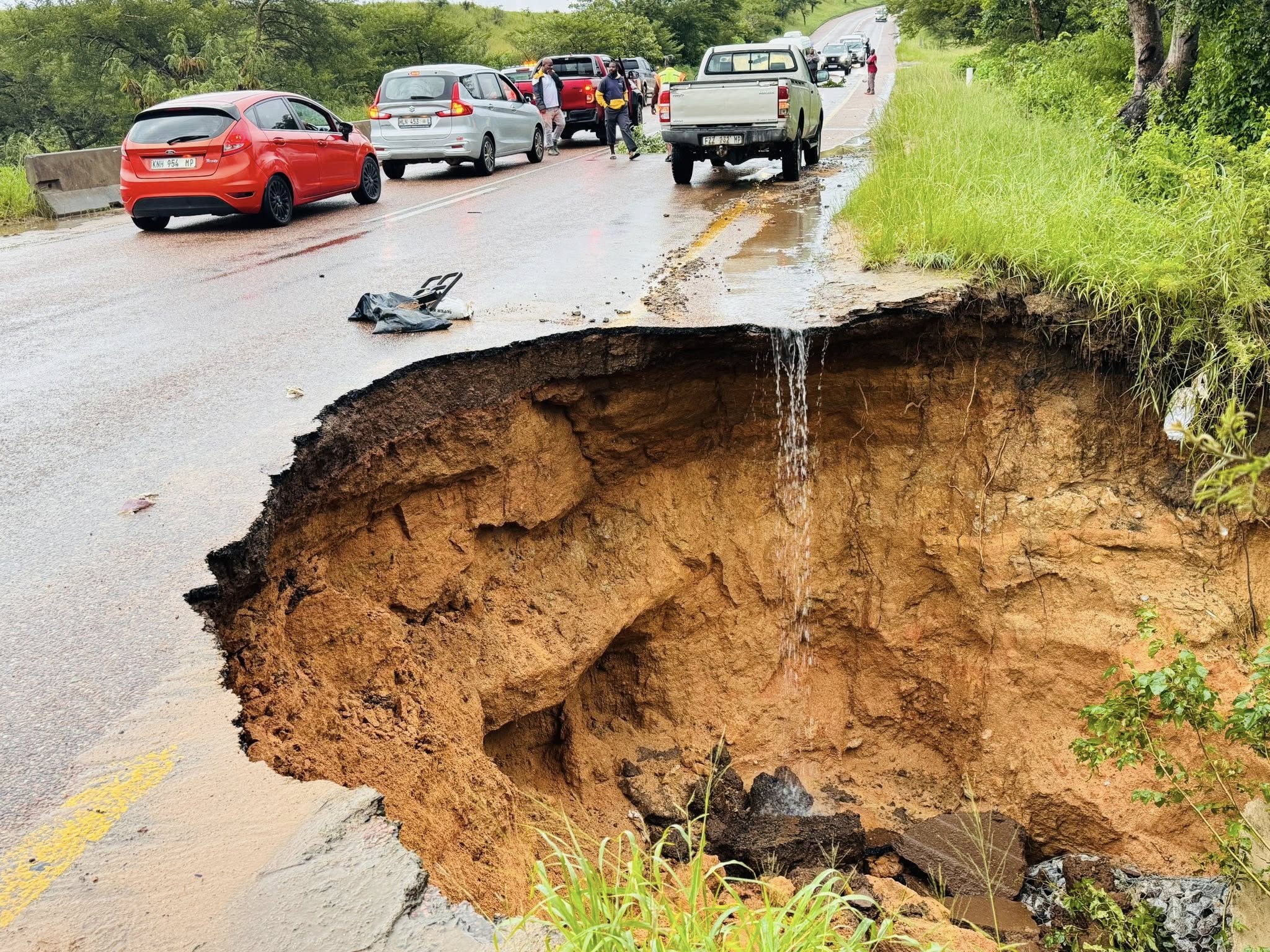
A quiet suburb, a deadly hole in the ground
In Klarinet, a residential area outside Emalahleni, the ground gave way in the most devastating way imaginable. Two cousins, 13-year-old Thato Qoi and 10-year-old Lindelani Mokalala, were playing near a pit filled with water when they slipped and fell into a sinkhole. Neighbours managed to rescue two other children who were with them. The boys did not survive.
A week after their burial, the grief is still raw, and the anger is growing. The family believes the tragedy was not an accident but the result of long-standing neglect linked to mining activity in the area.
A family left waiting for accountability
Family spokesperson Tankiso Mokalala says there has been little engagement from those they believe are responsible. According to him, the Department of Mineral Resources and Energy and a mining company that previously operated nearby initially offered R50 000 to assist with funeral costs. After that, communication stopped.
The family now says it is consulting legal representatives to pursue action against the authorities and the mining interests involved. They argue that rehabilitation funds, paid to ensure mined land is made safe, were not used to fix dangerous sites left behind.
The emotional toll has been immense. Relatives describe a household struggling to process the loss while feeling ignored by the very institutions meant to protect communities.
A problem residents say was flagged years ago
Local community voices say the sinkhole that claimed the boys’ lives is not an isolated danger. Pule Khoza from the community group Enough Is Enough says Klarinet is dotted with open pits and sinkholes, many dangerously close to homes.
Residents protested at local department offices in 2024, warning that the hazards posed a real risk to children. They say no clear answers followed. Within a month of those protests, another child reportedly died after falling into a sinkhole.
For families living in the area, the fear is constant. Parents worry every time children step outside to play, knowing the ground itself may be unsafe.
A national pattern, not a local fluke
Civil society organisations argue that what happened in Klarinet reflects a wider national failure. Mining-Affected Communities United in Action has pointed to similar incidents in other parts of the country, where children have died after falling into abandoned shafts and pits near informal and formal settlements.
Their view is blunt. These deaths are the predictable result of a mining system that allows companies to extract resources and leave behind environmental and social dangers, with responsibility often shifting to the state without proper enforcement or funding.
Mining expert David van Wyk says South Africa has more than 6,200 abandoned and derelict mines, a number that continues to grow. Despite regular reports of children dying as a result, he says prosecutions remain rare.
Where to from here for Klarinet
The Department of Mineral Resources and Energy has not responded publicly to questions about this specific case. For the family and the wider Klarinet community, that silence is part of the problem.
As legal discussions begin, residents are again calling for urgent rehabilitation of dangerous sites and stronger action against mining companies that fail to clean up after themselves. The hope is that the deaths of Thato and Lindelani will not be added to a long list of warnings ignored but will finally force meaningful change.
For now, two families mourn, a community remains on edge, and a familiar question hangs in the air across many mining towns in South Africa. How many lives must be lost before abandoned mines are made safe?
Follow Joburg ETC on Facebook, Twitter, TikT
For more News in Johannesburg, visit joburgetc.com
Source: The Citizen
Featured Image: Facebook/GCIS Mpumalanga Provincial Office