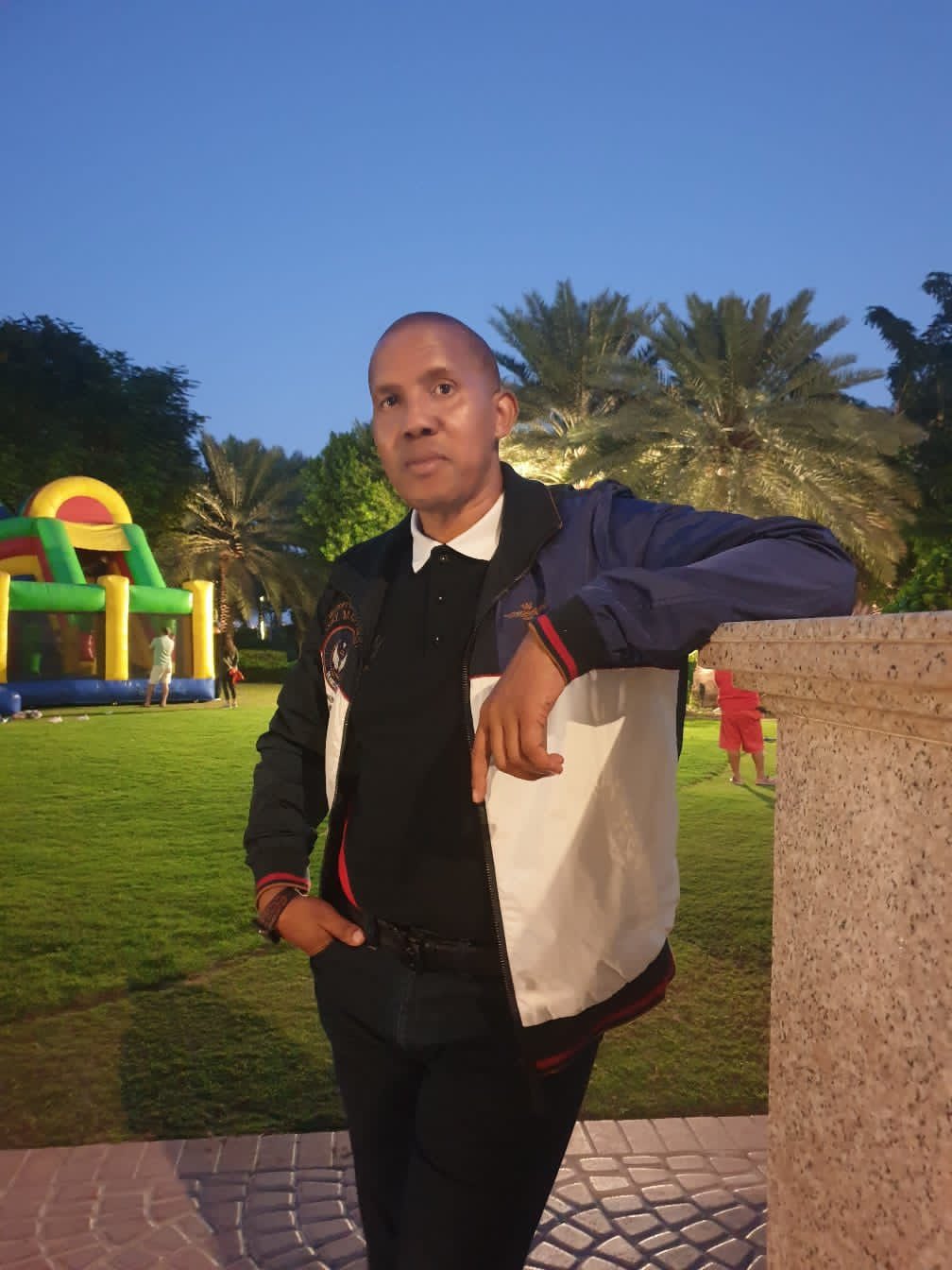
For three and a half years, Johannah Phenya has waited. She has waited for arrests, for charges, for any sign that the killing of her husband would not go unpunished. Eric Phenya was gunned down in his car in Roodepoort on 17 October 2022, weeks after he and Johannah exposed alleged irregularities in a multimillion-rand IT tender at the Department of Home Affairs. They had agreed to testify against implicated officials. Then the bullets came.
This week, finally, there was movement. The Randburg Magistrate’s Court denied bail to Minenhle Mthembu, accused of conspiracy to commit murder in connection with Eric’s assassination. It is the first significant development in a case that has remained largely stagnant since the killing.
“The arrest and denial of bail offered some relief after waiting for progress,” Johannah said. But her relief is tempered by a persistent concern: the people who allegedly ordered the hit, and who she believes are known to the authorities, have still not been charged.
“My hope is that all those that were involved in the conspiracy to kill my husband will be held to account and bring closure to my family and me,” she said.
The Killing That Shook the Home Affairs
Eric Phenya was 57 years old when he died. He and Johannah had done what whistle-blowers do: they saw something wrong, and they spoke up. The alleged irregularities they exposed involved a multimillion-rand IT tender at the Department of Home Affairs. Their willingness to testify against implicated officials made them targets.
The killing was professional and swift. Eric was in his car when the gunmen found him. He never had a chance. In the aftermath, Johannah was left not only with grief but with fearfear that those who had ordered the hit would come for her next, fear that the case would go cold, fear that her husband’s death would become just another unsolved murder in a country with far too many.
The Accused and the Dead
Mthembu’s arrest followed a joint operation between the KwaZulu-Natal South African Police Service, the Gauteng Hawks, and private investigators from IRS Forensic Investigations. The collaboration between state and private investigators reflects the complexity of the case and the determination to see it through.
According to the family’s attorney, Norman Montjane, the state opposed bail and the court ruled in its favour. Mthembu will remain in custody as the investigation continues.
But another individual linked to the matter will never face trial. Bongani Maocuanaalso known as Sphamandla Mabonga, or Mabonga Moungosewas killed in a separate shooting at a Sandton nightclub. The circumstances of his death remain unclear, but its convenience for those who might have been implicated is hard to ignore. Dead witnesses tell no tales.
Justice Delayed, But Not Denied
Chad Thomas, CEO of IRS Forensic Investigations, acknowledged that the investigation did not produce swift results. The contrast with another high-profile casethat of Madlanga commission Witness D, Marius van der Merwe, whose murder saw quicker resolutionis striking. But Thomas offered a measured perspective.
“Justice delayed is still better than justice denied in totality,” he said.
It’s a sentiment that offers cold comfort to a widow who has waited years for progress. But it also reflects the reality of complex murder investigations, particularly those involving alleged conspiracies, multiple actors, and powerful interests. Building a case that will stand up in court takes time. Ensuring that charges stick takes evidence, witnesses, and careful legal work.
“Now, the next steps are simple,” Thomas said. “Bringing to justice everyone in this vile food chain.”
The Food Chain
Thomas’s phrase captures the reality of contract killings. Behind the trigger puller lies a chain of command: the person who hired him, the person who paid, the person who ordered the hit. In whistle-blower cases, that chain often leads back to people in positions of powerpeople with something to hide, something to protect, something to lose if testimony is given.
Johannah Phenya believes the authorities know who those people are. She believes they have known for some time. Her concern is that they have not been charged, that the investigation stops at the lower rungs of the food chain while those at the top remain free.
It’s a familiar pattern in South Africa. Hitmen are caught, prosecuted, convicted. The people who paid them walk free. The organisers, the planners, the beneficiaries of the killingthey remain in the shadows, untouched by the law.
The Whistle-Blower’s Risk
Eric Phenya’s murder is a stark reminder of the risks faced by those who expose wrongdoing. Whistle-blowers in South Africa operate in a dangerous environment. Legal protections exist on paper, but in practice, speaking truth to power can be a death sentence.
The case also highlights the importance of thorough investigation. The collaboration between SAPS, the Hawks, and private investigators shows what can be achieved when different agencies work together. But it also shows how long that work can takeand how much patience is required of families waiting for justice.
What Comes Next
Mthembu will remain in custody as the case proceeds. The denial of bail suggests the court accepts the state’s argument that he poses a flight risk or a danger to witnesses. It’s a positive sign for those seeking accountability.
But the real test lies ahead. Will the investigation extend up the food chain? Will those who ordered the hit be identified, arrested, and prosecuted? Will Johannah Phenya see the closure she seeks?
Thomas expressed confidence in the next steps. But confidence is not certainty, and in cases like this, certainty is elusive. Witnesses can be intimidated. Evidence can disappear. Powerful people have resources to fight charges and delay proceedings.
The Widow’s Hope
Johannah Phenya has lived with grief and fear for three and a half years. She has watched the case stall, then move, then stall again. She has seen one alleged conspirator killed before he could be questioned. She has waited for the people she believes ordered her husband’s murder to face justice.
The bail denial is progress. It is a step. But it is not the destination.
“My hope is that all those that were involved in the conspiracy to kill my husband will be held to account and bring closure to my family and me,” she said.
It is a simple hope, and a reasonable one. In a country where whistle-blowers are too often silenced by violence, holding their killers accountable is essentialnot just for the families left behind, but for the message it sends. If you kill someone for speaking truth, you will be hunted. You will be caught. You will be punished. All the way up the food chain.
For now, Johannah waits. She has become expert at waiting. But she also watches, and she speaks, and she refuses to let her husband’s murder fade from public memory. That refusal is its own form of justice, and its own form of power.